Cross-Species Ubiquitination Conservation in Cancer: From Evolutionary Pathways to Therapeutic Discovery
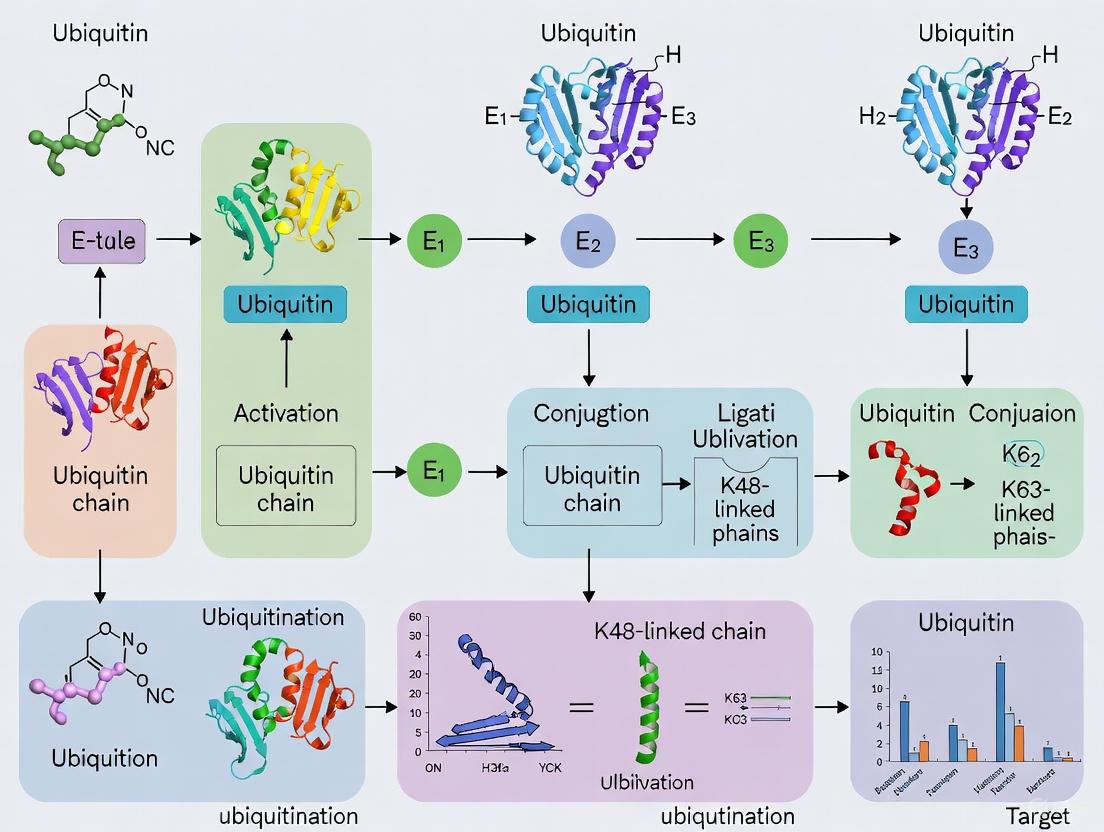
This article provides a comprehensive analysis of the remarkable evolutionary conservation of the ubiquitin system and its critical implications for cancer biology and therapy.
Cross-Species Ubiquitination Conservation in Cancer: From Evolutionary Pathways to Therapeutic Discovery
Abstract
This article provides a comprehensive analysis of the remarkable evolutionary conservation of the ubiquitin system and its critical implications for cancer biology and therapy. We explore foundational concepts of ubiquitin pathway conservation from archaea to humans, examine cutting-edge computational and experimental methods for cross-species ubiquitination analysis, address key challenges in translating findings across species boundaries, and validate conserved ubiquitination mechanisms through pan-cancer genomic studies. By synthesizing insights from model organisms and human cancers, this review establishes a framework for leveraging evolutionary conservation to identify novel therapeutic targets and advance drug development strategies for cancer treatment.
The Deep Evolutionary Roots of Ubiquitin Signaling in Cancer
Ubiquitin is a small, 76-amino-acid protein that is highly conserved across all eukaryotic species, playing a fundamental role in regulating cellular processes by tagging proteins for degradation or functional modification. This post-translational modification, known as ubiquitination, affects nearly every aspect of cell biology, from cell cycle progression and DNA repair to immune responses. The ubiquitin-proteasome system (UPS) functions through a sequential enzymatic cascade involving E1 (activating), E2 (conjugating), and E3 (ligating) enzymes that covalently attach ubiquitin to target proteins. The specificity and outcomes of ubiquitination are determined by the number of ubiquitin molecules attached (mono- versus polyubiquitination) and the type of linkage between them, with different chain topologies triggering distinct cellular responses. What makes ubiquitin particularly remarkable from an evolutionary perspective is its extraordinary sequence conservation; the amino acid sequence of ubiquitin is virtually identical across the entire eukaryotic domain, from yeast to humans. This extreme conservation suggests that nearly every residue in ubiquitin is critical for its function, with minimal tolerance for sequence variation. This guide explores the experimental evidence validating this conservation and examines its critical implications for cancer research and therapeutic development.
Quantitative Evidence of Ubiquitin Sequence Conservation
Ubiquitin's sequence has remained essentially unchanged throughout eukaryotic evolution due to strong functional constraints. The structural and functional features that underpin this conservation are quantified below.
Table 1: Key Structural and Functional Features of Ubiquitin Under Evolutionary Constraint
| Feature | Description | Functional Implication | Conservation Level |
|---|---|---|---|
| β-grasp Fold | A five-stranded mixed β-sheet surrounding a central α-helix [1]. | Essential for structural integrity and interaction with partner proteins. | Extremely High (Maintained across all eukaryotes) |
| Lysine Residues | Seven conserved lysines (K6, K11, K27, K33, K48, K63) and N-terminal methionine [1]. | Serve as linkage points for forming polyubiquitin chains with distinct biological signals. | Extremely High |
| C-terminal Glycine | Terminal glycine-glycine motif (G75-G76) [2]. | Critical for activation by E1 enzymes and conjugation to substrate lysines. | Absolute |
| Hydrophobic Patch | A surface patch centered around I44 [3]. | Primary recognition site for many ubiquitin-binding domains. | Extremely High |
Experimental analyses confirm that ubiquitin's sequence and structure are so optimized that even non-native linkages created through chemical methods recapitulate the structural and functional properties of native isopeptide bonds. Small-angle X-ray scattering (SAXS) has demonstrated that scattering profiles for native and non-native ubiquitin dimers are strikingly similar and can be matched to analogous structures, indicating profound structural robustness [3].
Furthermore, deubiquitinases (DUBs), the enzymes that cleave ubiquitin chains, show comparable efficiency and selectivity in hydrolyzing both native and non-native isopeptide linkages. This functional conservation highlights that the ubiquitin code is read based on structure and connectivity rather than the precise chemical path used to assemble the chain [3].
Experimental Methodologies for Analyzing Ubiquitin Conservation
Several key experimental approaches are used to quantify and validate ubiquitin's sequence and structural conservation, each providing complementary insights.
Small-Angle X-Ray Scattering (SAXS) for Structural Comparison
Purpose: To analyze and compare the solution structures of native and synthetic ubiquitin chains in a non-crystalline, near-native state [3]. Workflow:
- Sample Preparation: Purify native ubiquitin dimers (linked via natural isopeptide bonds) and synthetic dimers connected by non-native linkages.
- Data Collection: Expose the samples to a high-intensity X-ray beam and record the elastic scattering pattern at low angles.
- Profile Analysis: Compare the resulting scattering profiles (intensity vs. scattering angle) between native and non-native dimers.
- Model Fitting: Use an experimental structural library and atomistic simulations to generate molecular models that best fit the experimental SAXS data. Key Outcome: The demonstration that non-native ubiquitin dimers can be matched to structures analogous to those of native dimers, confirming structural conservation despite synthetic linkage [3].
Proteome-Wide Structural Analysis
Purpose: To quantify structural conservation at a genomic scale, moving beyond sequence-based comparisons [4]. Workflow:
- Data Compilation: Gather experimental structures from the Protein Data Bank (PDB) and computationally modeled structures from the AlphaFold2 database for multiple species.
- Domain Parsing: Use a graph-based clustering algorithm (e.g., Leiden) on AlphaFold2's Predicted Aligned Error (PAE) matrix to identify and trim unstructured regions and separate folded, distinct protein domains.
- Structural Alignment: Perform pairwise, sequence-independent structural comparisons across proteomes.
- Twilight Zone Characterization: Identify and analyze homologous protein pairs with low sequence identity (<20-25%) but significant structural similarity. Key Outcome: This approach confirms that protein structure is more conserved than sequence and allows for the identification of evolutionary relationships that are undetectable by sequence alignment alone [4].
Steady-State Kinetic Analysis of Deubiquitinases (DUBs)
Purpose: To measure the efficiency and selectivity of DUBs against different types of ubiquitin linkages [3]. Workflow:
- Substrate Incubation: Prepare reaction mixtures containing the DUB enzyme and ubiquitin substrate (native or non-native chains).
- Reaction Monitoring: Measure the initial rate of product formation (e.g., free ubiquitin) under conditions where substrate concentration is not limiting.
- Parameter Calculation: Determine kinetic parameters such as kcat (catalytic turnover number) and KM (Michaelis constant).
- Specificity Calculation: Compare the catalytic efficiency (kcat/KM) across different substrates to assess selectivity. Key Outcome: The finding that different DUB families hydrolyze native and non-native isopeptide linkages with comparable efficiency, demonstrating functional conservation [3].
The following diagram illustrates the logical relationship between the experimental observation of ubiquitin's conservation and the methodologies used to confirm it.
The Cancer Research Context: Ubiquitin Conservation in Pathogenesis and Therapy
The extreme conservation of ubiquitin has profound implications for cancer research, as viruses and cancer cells often hijack this essential, conserved system.
HPV-Driven Carcinogenesis
High-risk Human Papillomaviruses (HR-HPVs) are a primary case study in how pathogens co-opt the UPS. The viral oncoproteins E6 and E7 manipulate ubiquitination to drive cellular transformation [1].
- E6 and p53: The HPV E6 protein recruits a host E3 ubiquitin ligase to the tumor suppressor p53, leading to its ubiquitin-mediated degradation. This abrogates a critical cellular defense mechanism, allowing infected cells to evade apoptosis and accumulate genetic damage [1].
- E7 and pRb: Similarly, the E7 oncoprotein targets the retinoblastoma protein (pRb) for proteasomal degradation, causing uncontrolled cell cycle progression from G1 to S phase [1].
This viral strategy relies on the conserved nature of the ubiquitin machinery to effectively disable universally critical tumor suppressors.
Targeting the UPS in Immunotherapy
The conservation of ubiquitin components also presents unique therapeutic opportunities. Ubiquitin-Specific Proteases (USPs), the largest family of deubiquitinating enzymes, are increasingly recognized as viable drug targets in cancer [5].
- USP7: This DUB stabilizes the Foxp3 protein in regulatory T cells (Tregs), enhancing their immunosuppressive function within the tumor microenvironment. Inhibiting USP7 can therefore enhance antitumor immunity [5].
- USP16 and USP36: These DUBs exhibit cross-reactivity between ubiquitin and the ubiquitin-like protein Fubi, which is essential for ribosomal maturation. This highlights how the conserved ubiquitin fold can be exploited for dual-specificity enzyme functions [6].
Table 2: Key Research Reagent Solutions for Ubiquitin and Cancer Research
| Reagent / Tool | Core Function | Research Application |
|---|---|---|
| Activity-Based Probes (e.g., Ub-VS, Fubi-VS) | Covalently trap active-site cysteines of DUBs/deFubiylases [6]. | Chemoproteomic identification of enzyme subsets with specific hydrolytic activities. |
| Non-Native Ubiquitin Oligomers | Synthetic chains with non-isopeptide linkages that mimic native structure/function [3]. | Serve as surrogate substrates to study chain recognition and hydrolysis by DUBs. |
| Species-Specific Prediction Models (e.g., SSUbi) | Deep learning models integrating sequence and structural data [7]. | Accurate prediction of ubiquitination sites, accounting for species-specific sequence patterns. |
| AlphaFold2 Predicted Structures | Computationally modeled protein structures with high accuracy [4]. | Enables proteome-wide structural comparisons and analysis of evolutionary relationships. |
The diagram below illustrates how the conserved ubiquitin system is central to both viral oncogenesis and modern cancer therapeutic strategies.
The extreme sequence and structural conservation of ubiquitin across eukaryotes is not merely a biological curiosity but a fundamental feature with direct consequences for human disease and treatment. Experimental data from SAXS, kinetic studies, and proteome-wide structural analyses consistently demonstrate that ubiquitin's structure-function relationship is under intense evolutionary constraint. This conservation is exploited by pathogens like HPV to disrupt cellular homeostasis and drive carcinogenesis. Conversely, this very same conservation makes the ubiquitin system a fertile ground for therapeutic intervention, as evidenced by the development of small-molecule inhibitors targeting specific USPs for cancer immunotherapy. Understanding the depth of ubiquitin conservation provides a critical framework for ongoing research aimed at manipulating this system to combat cancer and other diseases.
Once considered a hallmark of eukaryotic cells, the ubiquitin signaling system has deep evolutionary roots in archaea. The discovery of simplified, operon-like genetic clusters encoding ubiquitin-system components in archaea such as Caldiarchaeum subterraneum provides a crucial missing link in understanding the origin of eukaryotic protein regulation. This guide compares these ancestral systems with their eukaryotic counterparts and bacterial relatives, highlighting conserved mechanisms, structural similarities, and functional divergences. We present comprehensive experimental data and methodologies that reveal how archaeal ubiquitin-like proteins (SAMPs) and associated enzymes represent a functional and evolutionary intermediate between bacterial sulfur-carrier systems and the complex eukaryotic ubiquitin-proteasome system, with significant implications for understanding the evolutionary trajectory of protein regulatory mechanisms relevant to cancer research.
The ubiquitin-proteasome system (UPS) represents one of the most sophisticated mechanisms for post-translational protein regulation in eukaryotic cells, controlling approximately 80-90% of cellular proteolysis and governing virtually all aspects of cell physiology [8]. For decades, this system was considered a eukaryotic innovation; however, comparative genomic and biochemical analyses have revealed functional antecedents in prokaryotic organisms, particularly archaea [9] [2].
Archaeal ubiquitin-like (Ubl) systems represent a fascinating evolutionary intermediate, sharing mechanistic features with both bacterial sulfur-transfer systems and eukaryotic protein-modification pathways. The recent identification of operon-like ubiquitin system clusters in certain archaeal species provides compelling evidence for the prokaryotic origin of ubiquitin signaling [10]. These simplified genetic arrangements contain all core components necessary for a functional ubiquitination cascade, offering a unique window into the ancestral state of this crucial regulatory system.
Understanding these ancient ubiquitin mechanisms provides valuable insights for cancer research, as the ubiquitin system regulates core cancer hallmarks including cell cycle progression, DNA repair, metabolic reprogramming, and immune evasion [8] [11]. The evolutionary conservation of these pathways underscores their fundamental importance in cellular regulation and highlights potential ancient mechanisms that may be co-opted in oncogenesis.
Comparative Analysis of Ubiquitin System Architecture
Component Conservation Across Domains
Table 1: Comparison of ubiquitin system components across domains of life
| Component | Bacteria | Archaea | Eukaryotes |
|---|---|---|---|
| Ubiquitin-like proteins | ThiS, MoaD (sulfur carriers) | SAMPs (protein modifiers & sulfur carriers) | Ubiquitin, UBLs (protein modifiers) |
| E1-like enzymes | ThiF, MoeB | UbaA | UBA1, UBA6 |
| E2-like enzymes | Rare (e.g., in Caldiarchaeum) | Identified in operon systems | ~38 E2 enzymes |
| E3 ligases | Not found | RING-type in operon systems | >600 E3 ligases |
| Deubiquitinases | JAB domains | JAB domains | ~100 DUBs |
| Primary function | Sulfur transfer for cofactor biosynthesis | Protein modification & sulfur transfer | Protein degradation & signaling |
The comparison reveals a clear evolutionary trajectory from specialized bacterial sulfur-transfer systems to the multifunctional regulatory systems of eukaryotes, with archaeal systems occupying an intermediate position. Archaeal ubiquitin-like systems demonstrate dual functionality, participating in both sulfur transfer for biomolecule biosynthesis and protein modification, suggesting these functions diverged from a common ancestral system [9] [12].
Genetic Organization: Operon-like Clusters vs Dispersed Systems
Table 2: Genetic organization of ubiquitin system components
| Organism Type | Genetic Organization | Key Features | Examples |
|---|---|---|---|
| Bacteria | Sporadic operons | Limited distribution | Actinobacteria, Planctomycetes |
| Archaea | Operon-like clusters | Minimal complete systems | Caldiarchaeum subterraneum |
| Eukaryotes | Dispersed genes with redundancy | Tandem repeats, fused genes | All eukaryotes |
The operon-like cluster found in Caldiarchaeum subterraneum represents the most simplified known genetic arrangement encoding a eukaryote-like ubiquitin signaling system, containing five genes organized in a single cluster: one ubiquitin gene, one E1 activating enzyme, one E2 conjugating enzyme, one RING-type E3 ligase, and one deubiquitinating enzyme related to the proteasome subunit Rpn11 [10]. This compact organization contrasts sharply with the dispersed, redundant genetic architecture of eukaryotic ubiquitin systems, which include multiple ubiquitin genes (often arranged in tandem repeats) and hundreds of enzymes distributed throughout the genome [10].
Experimental Analysis of Archaeal Ubiquitin-like Systems
Key Methodologies for Characterizing Archaeal Ubl Systems
1. Comparative Genomic Analysis
- Protocol: PSI-BLAST searches with iterative profile refinement (e-value threshold 0.01) against archaeal genomic databases, followed by identification of conserved C-terminal motifs (GG or CC) characteristic of Ubl proteins [9].
- Application: Identification of eight distinct arCOGs (archaeal clusters of orthologous groups) meeting Ubl criteria, including six with β-grasp fold and C-terminal GG motifs [9].
- Significance: Revealed near-universal distribution of Ubl proteins in archaea, absent only in few methanogens (Methanococcus jannaschii, Methanopyrus kandleri, Methanococcus aeolicus) [9].
2. Functional Characterization in Haloferax volcanii
- Protocol: Genetic manipulation of SAMP (small archaeal modifier protein) genes and UbaA (E1-like enzyme) in H. volcanii, followed by analysis of protein conjugates via SDS-PAGE and mass spectrometry [9] [12].
- Application: Demonstration that SAMPylation requires UbaA and accumulates in proteasome-deficient mutants, linking archaeal protein modification to degradation pathways [9].
- Significance: Established SAMPs as dual-function proteins involved in both protein modification and sulfur transfer for tRNA thiolation and molybdenum cofactor biosynthesis [12].
3. Structural Analysis via X-ray Crystallography
- Protocol: Protein purification, crystallization, and structure determination of Ubl proteins and associated enzymes [2].
- Application: Confirmation of β-grasp fold conservation in archaeal Ubl proteins and identification of structural similarities with eukaryotic ubiquitin and bacterial MoaD/ThiS [2].
- Significance: Revealed that despite low sequence similarity, archaeal Ubl proteins share the characteristic β-grasp fold with eukaryotic ubiquitin, explaining functional conservation [2].
Quantitative Experimental Data
Table 3: Experimental data from archaeal ubiquitin system studies
| Experimental Parameter | SAMP1 (Hvo_2619) | SAMP2 (Hvo_0202) | Operon System (C. subterraneum) |
|---|---|---|---|
| Protein modification targets | 100s of proteins (SDS-PAGE); sites mapped to 2 lysines of MoaE | 100s of proteins (SDS-PAGE); sites mapped to 11 lysines of 9 proteins | Predicted protein modification |
| Sulfur transfer function | Molybdopterin precursor | Pre-thiolated tRNA | Unidentified |
| E1 dependence | UbaA | UbaA | E1l (CSUB_C1476) |
| Additional components required | None for conjugation | None for conjugation | E2l (CSUBC1475) & Zn finger (CSUBC1477) |
| Proteasomal connection | Accumulates in proteasome mutants | Accumulates in proteasome mutants | Rpn11-like deubiquitinase |
The experimental data demonstrate that archaeal Ubl systems exhibit both simplicity and complexity—they function with minimal components compared to eukaryotic systems yet still achieve substantial target diversity through limited machinery. The accumulation of SAMP conjugates in proteasome-deficient mutants strongly suggests a functional connection between archaeal protein modification and regulated proteolysis, representing a primordial form of the eukaryotic ubiquitin-proteasome pathway [9] [12].
Evolutionary Pathways and Conserved Mechanisms
From Sulfur Carriers to Protein Modifiers
The evolutionary relationship between bacterial sulfur-carrier systems and eukaryotic ubiquitin signaling becomes evident when examining the structural and mechanistic conservation:
Figure 1: Evolutionary trajectory of ubiquitin-like systems from bacteria to eukaryotes, showing functional specialization from sulfur transfer to protein modification.
The mechanistic conservation centers on the β-grasp fold and activation mechanism. All ubiquitin-like proteins across domains share:
- β-grasp fold: Characterized by four or five beta strands forming an anti-parallel sheet and one alpha helix region, providing compact, stable architecture resistant to proteolysis and environmental stresses [10].
- C-terminal glycine motif: Essential for activation, where the terminal carboxylate is adenylated by E1-like enzymes using ATP, then transferred to a conserved cysteine residue in the E1 via a thioester linkage [12] [2].
- Sulfur transfer mechanism: In bacterial systems and some archaeal functions, the ubiquitin-like proteins form thiocarboxylates for sulfur incorporation into cofactors, while in eukaryotic protein modification, the thioester linkage is used for protein conjugation [2].
Operon to Distributed Genomic Organization
The transition from operon-like organization in prokaryotes to dispersed genetic arrangement in eukaryotes represents a fundamental genomic reorganization:
Figure 2: Transition from operon organization in prokaryotes to dispersed genomic arrangement in eukaryotes, enabling system complexity.
This organizational shift enabled the massive expansion of the ubiquitin system in eukaryotes, permitting:
- Specialization: Multiple E2 and E3 enzymes with distinct substrate specificities
- Regulatory complexity: Independent transcriptional control of system components
- Functional diversity: Evolution of distinct ubiquitin chain types signaling different outcomes
- Redundancy: Multiple ubiquitin genes ensuring system robustness
The Scientist's Toolkit: Key Research Reagents
Table 4: Essential research reagents for studying archaeal ubiquitin-like systems
| Reagent/Category | Specific Examples | Function/Application | Research Context |
|---|---|---|---|
| Model Organisms | Haloferax volcanii | Genetic manipulation of SAMP/UbaA systems | Functional studies [9] [12] |
| Caldiarchaeum subterraneum | Study of minimal operon system | Evolutionary studies [10] | |
| Bioinformatics Tools | PSI-BLAST | Identification of distant Ubl homologs | Comparative genomics [9] [2] |
| HHPred | Protein fold prediction | Structural annotation [9] | |
| Promals3D | Multiple sequence alignment | Phylogenetic analysis [9] | |
| Enzymatic Assays | ATP-PPi exchange | E1 enzyme activity measurement | Functional characterization [12] |
| Thioester formation assays | E1~Ub/E2~Ub intermediate detection | Mechanistic studies [12] | |
| Structural Methods | X-ray crystallography | High-resolution structure determination | β-grasp fold confirmation [2] |
Implications for Cancer Research and Therapeutic Development
The evolutionary perspective on ubiquitin systems provides valuable insights for cancer research and drug development. The conservation of core mechanisms highlights the fundamental importance of these pathways in cellular regulation, while the evolutionary innovations explain the system complexity that can be co-opted in cancer.
Cancer cells frequently exploit ubiquitin system components to:
- Accelerate degradation of tumor suppressors: Enhanced ubiquitination of p53, PTEN, and other tumor suppressors
- Stabilize oncoproteins: Reduced ubiquitination of oncogenic drivers like c-Myc
- Evade immune surveillance: Ubiquitin-mediated regulation of PD-1/PD-L1 immune checkpoints
- Rewire metabolism: Ubiquitination control of metabolic enzymes like PKM2 [8] [11]
The evolutionary simplicity of archaeal systems provides a conceptual framework for developing targeted cancer therapies against specific ubiquitin system components. The successful development of proteasome inhibitors (bortezomib, carfilzomib) and ongoing clinical trials targeting E1 enzymes (MLN4924), E2 enzymes (CC0651, NSC697923), and E3 ligases demonstrate the therapeutic potential of modulating ubiquitin pathways [13] [11].
Archaeal operon-like ubiquitin systems represent a crucial evolutionary missing link, providing simplified yet functional models of the complex eukaryotic ubiquitin-proteasome system. The comparative analysis presented here demonstrates a clear evolutionary trajectory from bacterial sulfur-carrier systems through dual-function archaeal SAMPs to specialized eukaryotic ubiquitin signaling. The conservation of core mechanisms—including the β-grasp fold, E1-mediated activation, and covalent target modification—highlights the ancient origin and fundamental importance of this regulatory paradigm.
For cancer researchers, understanding these evolutionary relationships provides valuable context for the frequent dysregulation of ubiquitin pathways in oncogenesis and highlights potential therapeutic targets. The operational simplicity of archaeal systems offers conceptual insights for developing targeted interventions against specific ubiquitin system components, potentially with greater precision than broad proteasome inhibition. As research continues to unravel the complexities of ubiquitin signaling across domains of life, the evolutionary perspective will undoubtedly yield further insights into both basic biology and disease mechanisms.
The ubiquitin-proteasome system (UPS) represents a cornerstone of eukaryotic cellular regulation, controlling pivotal processes such as protein degradation, cell cycle progression, DNA repair, and signal transduction [10]. At the heart of this system operates a conserved enzymatic cascade consisting of ubiquitin-activating (E1), ubiquitin-conjugating (E2), and ubiquitin-ligating (E3) enzymes, which work in sequence to tag substrate proteins with ubiquitin molecules [10]. While traditionally considered a eukaryotic innovation, recent discoveries have revealed the existence of surprisingly complex ubiquitination machinery in archaeal organisms, providing unprecedented insights into the evolutionary origins of this sophisticated regulatory system [14]. This conservation from simple archaea to complex eukaryotes underscores the fundamental importance of this enzymatic architecture in cellular homeostasis. Moreover, dysregulation of ubiquitination pathways features prominently in human diseases, particularly cancer, where it influences oncoprotein stability, metabolic reprogramming, and therapeutic responses [15] [16] [17]. Understanding the deep evolutionary conservation of the E1-E2-E3 cascade provides a valuable framework for investigating its roles in tumor biology and for developing targeted therapeutic interventions.
Evolutionary Conservation of the Ubiquitination Machinery
From Archaeal Operons to Eukaryotic Networks
The evolutionary trajectory of the ubiquitination system reveals a remarkable journey from compact archaeal operons to expansive eukaryotic networks. Genomic analysis of the archaeon Candidatus 'Caldiarchaeum subterraneum' uncovered a minimal, yet complete, ubiquitination system encoded within an operon-like cluster, containing single genes for a ubiquitin homolog, E1, E2, a RING-type E3, and a deubiquitinating enzyme related to Rpn11 [10] [14]. This organization represents the most simplified genetic arrangement encoding a eukaryote-like ubiquitin signaling system known to date [10]. Biochemical reconstitution studies have demonstrated that these archaeal enzymes function together as a bona fide ubiquitylation cascade, mediating sequential activation and transfer reactions reminiscent of the eukaryotic process [14]. The C. subterraneum E1 enzyme activates the ubiquitin homolog, which is then transferred to the E2 conjugating enzyme, culminating in E3-dependent substrate modification [14].
In stark contrast to this compact archaeal system, eukaryotic genomes exhibit substantial expansion and diversification of ubiquitination components. Even early-diverging eukaryotes like Naegleria gruberi, which emerged over one billion years ago, possess more than 100 ubiquitin signaling system genes, including multiple E2s and E3s [10]. This expansion follows a consistent E1 < E2 < E3 pyramidal network across eukaryotes, with humans possessing 2 E1s, approximately 30 E2s, and roughly 600 E3s [18]. This diversification enables the sophisticated regulatory capacity of the eukaryotic ubiquitin system, allowing precise control over a staggering breadth of cellular processes [18].
Table 1: Evolutionary Comparison of Ubiquitination System Components
| Component | Archaeal System | Eukaryotic System | Key Conservation |
|---|---|---|---|
| Ubiquitin | Single-copy gene, requires C-terminal processing by Rpn11 [14] | Multiple loci (polyubiquitin genes, fusions with ribosomal proteins) [10] | Beta-grasp fold, C-terminal di-glycine motif [10] |
| E1 Enzyme | Single E1-like enzyme [10] | 2 E1 enzymes in humans [18] | Ubiquitin adenylation and thioester formation capabilities [14] |
| E2 Enzyme | Single E2-like enzyme [10] | ~30 E2 enzymes in humans [18] | Conserved catalytic cysteine, structural fold for E1/E3 interaction [14] |
| E3 Ligase | Single RING-type srfp protein [10] [14] | ~600 E3s in humans (RING, HECT, RBR families) [18] | RING domain with cross-brace zinc coordination in some archaea [14] |
Extreme Sequence and Structural Conservation
The ubiquitin molecule itself exhibits extraordinary sequence conservation across eukaryotic evolution, with virtually no variation observed between highly distant species [10]. This extreme conservation is maintained through concerted evolution mechanisms that prevent mutation accumulation in redundant ubiquitin genes [10]. Structurally, ubiquitin belongs to the beta-grasp fold superfamily, characterized by four or five beta strands forming an anti-parallel sheet and one alpha helix region [10]. This compact architecture provides remarkable stability, rendering ubiquitin highly resistant to proteolytic processing, temperature changes, and pH fluctuations [10].
Structural modeling of the C. subterraneum E1 and E2 enzymes reveals significant conservation of key catalytic features with their eukaryotic counterparts [14]. The archaeal E2 enzyme maintains the characteristic first N-terminal alpha-helix containing motifs essential for E1 and E3 interactions, as well as conserved loop structures (loops 4 and 7) that facilitate specific binding with cognate E3 ligases [14]. Similarly, the archaeal RING-type E3 exhibits the cross-brace zinc coordination motif characteristic of eukaryotic RING domains [14]. These structural conservations underpin the functional compatibility between archaeal and eukaryotic ubiquitination components.
Table 2: Functional Capabilities of Minimal vs. Expanded Ubiquitination Systems
| Functional Aspect | Archaeal Minimal System | Eukaryotic Expanded System |
|---|---|---|
| Genetic Organization | Operon-like cluster [10] | Dispersed genes with redundancy [10] |
| System Complexity | Single E1, E2, E3 [14] | Pyramidal network (2 E1s, ~30 E2s, ~600 E3s in humans) [18] |
| Ubiquitin Topology | Mono-ubiquitination demonstrated [14] | Diverse chains (mono, multi, polyubiquitination) [10] |
| Biological Scope | Likely limited substrate range | Vast regulatory scope (degradation, signaling, trafficking) [10] |
| Proteasome Linkage | SAMPs implicated in proteasome-dependent degradation [10] | Well-established proteasomal targeting [10] |
Experimental Approaches for Studying Ubiquitination Conservation
Biochemical Reconstitution of Archaeal Ubiquitination
The functional characterization of the archaeal ubiquitination cascade provides a paradigm for minimal system operation and has been achieved through careful biochemical reconstitution approaches.
Experimental Protocol: Archaeal Cascade Reconstitution [14]
- Gene Synthesis and Protein Purification: Synthetic genes encoding C. subterraneum ubiquitin, E1, E2, and srfp (E3) components are cloned into expression vectors, expressed in E. coli, and purified using standard chromatographic techniques.
- Pro-ubiquitin Processing: The C. subterraneum pro-ubiquitin (with C-terminal extension) is incubated with the Rpn11 metalloprotease homologue to generate mature ubiquitin exposing the di-glycine motif. Reaction products are analyzed by SDS-PAGE and mass spectrometry to confirm cleavage.
- E1 Activation Assay: Mature ubiquitin is incubated with E1 enzyme and ATP. Ubiquitin activation is assessed through formation of E1-ubiquitin thioester intermediates (detectable by non-reducing SDS-PAGE) and E1 auto-ubiquitylation (detectable by reducing SDS-PAGE and mass spectrometry).
- E2 Charging Assay: E2 enzyme is added to the E1 activation reaction. Transfer of ubiquitin to E2 is evaluated through E2-ubiquitin thioester formation (non-reducing SDS-PAGE) and E2 auto-mono-ubiquitylation (reducing SDS-PAGE, mass spectrometry).
- E3 Ligase Activity: Full cascade reactions including E1, E2, E3, ubiquitin, and ATP are performed to demonstrate sequential ubiquitylation. Substrate ubiquitylation can be assessed using known eukaryotic substrates or through auto-ubiquitylation events.
This experimental approach confirmed that the archaeal system operates through a sequential mechanism analogous to eukaryotic ubiquitylation, with ATP-dependent E1 activation, transthioesterification to E2, and E3-dependent target modification [14].
Advanced Probe Technologies for Monitoring Cascade Activity
Modern chemical biology approaches have developed sophisticated tools for monitoring ubiquitination cascade activities. The UbDha (UbGly76Dha) cascading activity-based probe represents a particularly innovative technology that enables tracking of ubiquitin transfer through the entire E1-E2-E3 pathway [18].
Experimental Protocol: Cascading Activity-Based Probe [18]
- Probe Design and Synthesis: UbDha is synthesized by replacing the C-terminal glycine of ubiquitin with a dehydroalanine (Dha) moiety, creating a latent electrophile that can covalently trap active site cysteine residues of ubiquitination enzymes.
- Enzyme Trapping Assays: UbDha is incubated with E1, E2, or E3 enzymes in the presence of ATP. The probe undergoes normal adenylation and thioester formation but can also irreversibly trap catalytic cysteine residues at each step of the cascade.
- Reaction Monitoring: Trapped enzyme-probe adducts are detected by SDS-PAGE and immunoblotting. ATP dependence confirms the mechanism-based nature of the labeling.
- Proteome-wide Profiling: Cell lysates are treated with UbDha to identify active ubiquitination enzymes under various physiological conditions or in response to inhibitors.
This methodology enables direct monitoring of sequential E1, E2, and E3 activities in diverse experimental settings, including live cells, and provides structural insights through stable trapping of catalytic intermediates [18].
Diagram Title: UbDha Cascading Probe Mechanism
The Scientist's Toolkit: Key Research Reagents and Methods
Table 3: Essential Research Tools for Ubiquitination Cascade Studies
| Tool/Reagent | Function/Application | Key Features |
|---|---|---|
| Cascading ABP (UbDha) [18] | Mechanism-based monitoring of E1-E2-E3 activities | Irreversibly traps catalytic cysteines; follows native cascade trajectory |
| Reconstituted Archaeal Systems [14] | Minimal system for mechanistic studies | Defined components; ancestral-like architecture |
| Cross-species Integration Algorithms (scANVI, scVI, SeuratV4) [19] | Computational comparison of ubiquitination components across species | Corrects species-effect in transcriptomic data; identifies conserved expression patterns |
| Homology Mapping Methods [19] | Gene ortholog identification for evolutionary studies | Includes one-to-one, one-to-many, and many-to-many ortholog mapping |
| Rpn11-like Protease [14] | Processing of pro-ubiquitin precursors | Essential for generating mature ubiquitin with exposed diglycine motif |
| Structural Modeling (I-TASSER) [14] | Prediction of enzyme structures from sequence data | Identifies conserved catalytic residues and interaction surfaces |
Implications for Cancer Research and Therapeutic Development
The deep evolutionary conservation of the E1-E2-E3 cascade underscores its fundamental importance in cellular regulation, with particular relevance for understanding and treating cancer. Dysregulation of ubiquitination pathways contributes significantly to oncogenesis through multiple mechanisms, including altered stability of oncoproteins and tumor suppressors, metabolic reprogramming, and modulation of immune responses [15] [16] [17].
In RAS-driven cancers, ubiquitination dynamically regulates the stability, membrane localization, and signaling transduction of RAS proteins, profoundly impacting their oncogenic functions [16]. Distinct ubiquitination patterns across RAS isoforms (KRAS4A, KRAS4B, NRAS, and HRAS) contribute to their functional disparities in cancers, presenting novel targeting opportunities [16]. Similarly, in tumor lipid metabolism—a crucial aspect of cancer progression—ubiquitination regulates key enzymes including adenosine triphosphate citrate lyase (ACLY) and fatty acid synthase (FASN) [17]. The E3 ligases NEDD4, UBR4, CUL3-KLHL25 complex, and TRIM21 have all been implicated in controlling metabolic enzyme stability, creating dependencies that might be therapeutically exploited [17].
The construction of pancancer ubiquitination regulatory networks has enabled stratification of patients into distinct risk groups with divergent survival outcomes and immunotherapy responses [15]. For instance, the OTUB1-TRIM28 ubiquitination axis modulates MYC pathway activity and influences patient prognosis, revealing potential biomarkers and therapeutic targets [15]. As our understanding of ubiquitination conservation deepens, targeting these ancient regulatory pathways continues to offer innovative approaches for cancer therapy, including strategies to overcome resistance to conventional treatments.
The E1-E2-E3 ubiquitination cascade represents a remarkably conserved enzymatic architecture maintained from simple archaeal organisms to complex eukaryotes. This evolutionary preservation highlights the fundamental efficiency and versatility of this sequential activation and transfer mechanism for protein modification. The experimental approaches outlined—from biochemical reconstitution of minimal archaeal systems to advanced activity-based probes and cross-species computational analyses—provide powerful methodologies for investigating both conserved principles and lineage-specific adaptations of ubiquitination signaling. In cancer research, understanding this deep evolutionary conservation illuminates why ubiquitination pathways are so frequently co-opted in oncogenesis and offers valuable insights for developing targeted therapeutic strategies. As research continues to unravel the complexities of ubiquitination regulation across the tree of life, the conserved E1-E2-E3 architecture stands as a testament to the elegant economy of nature's molecular solutions.
Ubiquitination, the covalent attachment of a small protein called ubiquitin to target substrates, represents a universal post-translational modification system that transcends species boundaries and cellular contexts. Often described as a sophisticated "code," this system enables eukaryotic cells to precisely regulate protein stability, activity, localization, and interactions through diverse ubiquitin chain topologies [8] [20]. The ubiquitin code operates through a conserved enzymatic cascade involving E1 (activating), E2 (conjugating), and E3 (ligating) enzymes that work in concert to attach ubiquitin to specific substrate proteins, with this process being reversible through the action of deubiquitinating enzymes (DUBs) [20] [21]. This fundamental regulatory mechanism governs virtually all cellular processes, including cell cycle progression, DNA damage repair, signal transduction, and immune responses, with its dysregulation being implicated in numerous human diseases, particularly cancer [22] [8] [23].
The conservation of the ubiquitin code across species underscores its fundamental biological importance while providing unique opportunities for comparative research. From yeast to humans, the core components of the ubiquitin-proteasome system (UPS) maintain remarkable structural and functional similarity, enabling researchers to utilize model organisms to unravel complex ubiquitin-related processes relevant to human disease [23]. This evolutionary conservation extends beyond mere protein degradation, encompassing sophisticated signaling networks that control cellular decision-making processes. As we explore the molecular architecture, functional diversity, and experimental approaches to studying the ubiquitin code, its position as a universal language of cellular regulation becomes increasingly evident, highlighting its profound implications for understanding disease mechanisms and developing targeted therapies.
Molecular Architecture of the Ubiquitin System
The Ubiquitination Cascade Enzymatic Machinery
The ubiquitination process initiates with a single E1 activating enzyme that utilizes ATP to form a high-energy thioester bond with the C-terminal glycine (Gly76) of ubiquitin in a two-step adenylation process [20]. This activated ubiquitin is subsequently transferred to the catalytic cysteine residue of an E2 conjugating enzyme, again via a thioester linkage. The final step involves one of approximately 600 E3 ubiquitin ligases, which recognize specific substrate proteins and facilitate the transfer of ubiquitin from the E2 to a lysine residue on the substrate, forming an isopeptide bond [24]. This hierarchical E1-E2-E3 network provides both specificity and diversity, with different combinations of E2-E3 enzymes generating distinct ubiquitination patterns on specific substrates. The reversibility of this process is ensured by approximately 100 deubiquitinating enzymes (DUBs) that cleave ubiquitin from modified substrates, thereby antagonizing ubiquitination and maintaining cellular ubiquitin homeostasis [8] [21].
The E3 ubiquitin ligases represent the most diverse and specialized components of this system, falling into several structural categories defined by their catalytic domains and mechanisms. Really Interesting New Gene (RING) E3s function as scaffolds that simultaneously bind E2~Ub and substrate, facilitating direct ubiquitin transfer. Homologous to the E6AP C-Terminus (HECT) E3s form a catalytic thioester intermediate with ubiquitin before transferring it to substrates. RING-In-Between-RING (RBR) E3s employ a hybrid mechanism, combining aspects of both RING and HECT-type catalysis [8] [20]. This structural and mechanistic diversity enables the precise spatiotemporal control of substrate ubiquitination, allowing the ubiquitin system to regulate virtually every aspect of cell physiology.
Diversity of the Ubiquitin Code
The ubiquitin code's complexity arises from the ability to form different types of ubiquitin modifications, each encoding distinct functional outcomes for the modified protein. Monoubiquitination involves attachment of a single ubiquitin molecule and typically regulates protein activity, interactions, and subcellular localization, as observed in histone modification and receptor endocytosis [8] [20]. Multi-monoubiquitination occurs when single ubiquitin molecules attach to multiple lysine residues on the same substrate, often serving as a signal for endocytic trafficking.
Polyubiquitination involves the formation of ubiquitin chains through covalent linkage between the C-terminus of one ubiquitin and one of the seven lysine residues (K6, K11, K27, K29, K33, K48, K63) or the N-terminal methionine (M1) of another ubiquitin molecule [8] [20]. These chain types confer specific functional consequences: K48-linked chains primarily target proteins for proteasomal degradation; K63-linked chains facilitate non-proteolytic signaling in DNA repair, inflammation, and trafficking; while M1-linear chains regulate NF-κB signaling and immune responses [8] [20] [25]. More recently, the discovery of mixed or branched chains, where a single ubiquitin molecule is modified at multiple lysine residues, has added another layer of complexity to the ubiquitin code, enabling sophisticated regulatory fine-tuning [8] [20].
Figure 1: The Ubiquitination Enzymatic Cascade. The process initiates with ATP-dependent ubiquitin activation by E1, followed by transfer to E2, and culminates in E3-mediated substrate modification. Each step confers increasing specificity, with E3 ligases determining substrate selection.
Comparative Analysis of Ubiquitin Code Conservation
Evolutionary Conservation of Core Machinery
The fundamental components of the ubiquitin system demonstrate remarkable evolutionary conservation from yeast to humans, underscoring their essential cellular functions. Core elements including E1 activating enzymes, the ubiquitin protein itself, and many E2 conjugating enzymes maintain high sequence similarity across eukaryotic species [23]. This conservation extends to several E3 ligase families and deubiquitinating enzymes, particularly those governing critical processes such as cell cycle regulation and DNA damage response. The structural conservation of ubiquitin-fold domains and ubiquitin-binding domains across evolution enables recognition and decoding of ubiquitin signals through similar mechanistic principles regardless of species origin [23] [24]. This evolutionary preservation facilitates cross-species research, where findings in model organisms frequently provide insights applicable to human biology and disease mechanisms.
Despite this strong conservation, species-specific adaptations have emerged in the ubiquitin system, particularly in pathways related to immune regulation, developmental programs, and specialized metabolic functions. For instance, certain immune-related ubiquitin-like proteins such as ISG15 demonstrate more recent evolutionary origins and greater divergence between species [23]. Similarly, the number and diversity of E3 ligases have expanded in higher eukaryotes, correlating with increased cellular complexity and specialized regulatory requirements. These evolutionary patterns reflect both the constrained core machinery essential for basic eukaryotic cell function and the adaptable components that enable species-specific physiological specialization.
Functional Conservation in Signaling Pathways
The ubiquitin code demonstrates profound functional conservation in regulating essential cellular signaling pathways across diverse species. The p53 tumor suppressor pathway provides a compelling example, where ubiquitination by MDM2 and other E3 ligases controls p53 stability and activity in organisms ranging from invertebrates to mammals [23]. Similarly, the NF-κB signaling pathway employs conserved ubiquitin-dependent mechanisms for IκB degradation and pathway activation, with key regulators like the A20 deubiquitinase maintaining functional conservation despite sequence divergence [8] [23]. DNA damage response pathways also showcase striking conservation of ubiquitin signaling, with RNF8-RNF168-mediated histone ubiquitination facilitating repair factor recruitment in both mammalian and simpler eukaryotic systems [25].
The Wnt/β-catenin pathway further illustrates this functional conservation, with β-catenin stability being regulated by a conserved destruction complex whose activity is modulated by ubiquitin-dependent mechanisms [26]. Recent research has revealed additional conservation in the PARylation-dependent ubiquitination (PARdU) pathway, where tankyrase and RNF146 collaborate to regulate Axin degradation and Wnt signaling across multiple species [26]. These examples highlight how the ubiquitin code preserves core functional relationships in critical signaling networks throughout evolution, enabling coordinated control of cell fate decisions, stress responses, and developmental programs across the eukaryotic lineage.
Table 1: Conservation of Key Ubiquitin System Components Across Species
| Component | Conservation Level | Functional Role | Example Conserved Pathways |
|---|---|---|---|
| Ubiquitin protein | Very high (>95% identity mammals-yeast) | Signal molecule for degradation & signaling | All ubiquitin-dependent processes |
| E1 activating enzymes | High | Ubiquitin activation | Entire ubiquitination cascade |
| Cullin-RING ligases (CRLs) | High | Multi-subunit E3 complexes | Cell cycle, transcription, signaling |
| MDM2/p53 axis | Moderate to high | Regulation of p53 stability | DNA damage response, apoptosis |
| RNF8/RNF168 | Moderate | Histone ubiquitination | DNA damage response, repair |
| Tankyrase/RNF146 | Moderate | PAR-dependent ubiquitination | Wnt signaling, telomere maintenance |
| A20 (TNFAIP3) | Moderate | NF-κB regulation | Immune and inflammatory signaling |
Ubiquitin Chain-Type Specificity and Conservation
The specificity of ubiquitin chain linkages and their functional consequences demonstrates significant conservation across species, though with some contextual variations. K48-linked polyubiquitin chains serve as the primary proteasomal degradation signal throughout eukaryotes, with the proteasome recognition machinery conserving its ability to interpret this signal from yeast to humans [8] [20]. Similarly, K63-linked chains consistently function in non-proteolytic signaling pathways related to DNA repair, inflammation, and protein trafficking across diverse species [20] [25]. This functional conservation of major chain types underscores their fundamental importance in eukaryotic cell biology.
More specialized chain linkages (K6, K11, K27, K29, K33) show greater evolutionary plasticity in their functions and prevalence, though they maintain conserved roles in certain contexts. K11-linked chains, for instance, have conserved functions in cell cycle regulation and ER-associated degradation (ERAD) across metazoans [8] [20]. The conservation of chain-type specificity extends to the enzymatic machinery responsible for writing, reading, and erasing these signals, with many ubiquitin-binding domains and DUBs maintaining specificity for particular chain types throughout evolution [23] [21]. This preservation of linkage-specific recognition mechanisms enables consistent interpretation of the ubiquitin code across species boundaries.
Table 2: Functional Conservation of Major Ubiquitin Linkage Types
| Linkage Type | Primary Function | Conservation Status | Key Conserved E2/E3 Enzymes |
|---|---|---|---|
| K48 | Proteasomal degradation | Very high | UBE2R1/2, hundreds of E3s |
| K63 | Non-proteolytic signaling | Very high | UBE2N/UEV1A, RNF8, TRAF6 |
| K11 | Cell cycle regulation, ERAD | High | UBE2S, APC/C, HUWE1 |
| M1 (linear) | NF-κB activation, immunity | High | LUBAC complex (HOIP) |
| K27 | DNA damage response, immunity | Moderate | RNF168, HOIP |
| K29 | Proteasomal degradation, signaling | Moderate | UBE2A/B, UBR5 |
| K33 | Kinase regulation, trafficking | Moderate | Unknown |
| K6 | DNA damage response, mitophagy | Moderate | PARKIN, BRCA1-BARD1 |
Ubiquitin Code Crosstalk with Related Modification Systems
PARylation-Dependent Ubiquitination (PARdU) Pathway
The PARylation-dependent ubiquitination pathway represents a sophisticated example of ubiquitin code crosstalk with other post-translational modification systems. This pathway centers on the E3 ubiquitin ligase RNF146, which contains an N-terminal WWE domain that specifically recognizes iso-ADP-ribose (iso-ADPr) units within poly(ADP-ribose) (PAR) chains [26]. When tankyrases (TNKS1/2) PARylate their substrates, RNF146 binds to these PAR modifications through its WWE domain, leading to conformational activation of its C-terminal RING domain and subsequent ubiquitination of the PARylated substrate [26]. This molecular mechanism creates a precise regulatory circuit where PARylation serves as a direct molecular trigger for ubiquitination, enabling spatiotemporal control of substrate stability.
The PARdU pathway regulates multiple biological processes with implications for cancer pathogenesis and treatment. It controls Wnt/β-catenin signaling through tankyrase-mediated PARylation and RNF146-driven degradation of Axin1/2, a key negative regulator of the pathway [26]. Additionally, the pathway regulates DNA damage response, telomere maintenance, and glucose metabolism through targeted ubiquitination of PARylated substrates [26]. From a therapeutic perspective, inhibiting tankyrase or RNF146 stabilizes Axin and suppresses Wnt signaling, presenting a potential strategy for treating Wnt-driven cancers. The discovery and characterization of this pathway highlights how ubiquitination integrates with other modification systems to create sophisticated regulatory networks that maintain cellular homeostasis.
Figure 2: PARylation-Dependent Ubiquitination (PARdU) Pathway. Tankyrase-mediated PARylation of substrates creates a recognition signal for RNF146, which subsequently ubiquitinates the PARylated protein, targeting it for proteasomal degradation. This pathway represents a key interface between ubiquitin and ADP-ribosylation modification systems.
Ubiquitin-Like Proteins and Their Modifications
The ubiquitin system exhibits extensive crosstalk with ubiquitin-like proteins (Ubls), which share structural homology with ubiquitin but perform distinct cellular functions. Key Ubls include SUMO (Small Ubiquitin-like Modifier), NEDD8 (Neural precursor cell-Expressed Developmentally Down-regulated 8), ISG15 (Interferon-Stimulated Gene 15), and FAT10, each with their own specific E1-E2-E3 enzymatic cascades for conjugation to targets [23] [24]. These Ubl systems often functionally intersect with ubiquitination, creating complex regulatory networks that fine-tune cellular processes. For instance, neddylation of cullin proteins activates cullin-RING ligase complexes, enhancing their ubiquitin ligase activity and thereby linking NEDD8 and ubiquitin pathways [23].
SUMO modification frequently collaborates with ubiquitination in regulating transcription factors, DNA repair proteins, and signal transducers. SUMO-targeted ubiquitin ligases (STUbLs) recognize SUMO-modified proteins and promote their ubiquitination and degradation, demonstrating direct molecular crosstalk between these modification systems [23]. In the DNA damage response, RNF168-mediated ubiquitination is amplified by ZNF451-dependent SUMOylation, creating a positive feedback loop that enhances histone ubiquitination and repair factor recruitment [25]. Similarly, ISG15 modification often occurs in response to interferon signaling and viral infection, sometimes competing with ubiquitination for the same lysine residues on target proteins [23]. These examples illustrate how ubiquitin and Ubl systems form interconnected networks that expand the regulatory capacity of protein modification beyond what any single system could accomplish independently.
Experimental Methods for Studying Ubiquitin Code Conservation
Proteomic and Genomic Approaches
Advanced proteomic methodologies have revolutionized the large-scale identification and quantification of ubiquitination events across species and cellular contexts. Mass spectrometry-based ubiquitinomics employs anti-ubiquitin antibodies or ubiquitin-binding domains to enrich ubiquitinated peptides, followed by liquid chromatography-tandem mass spectrometry (LC-MS/MS) analysis to identify modification sites and quantify changes under different conditions [27]. For novel peptide discovery, researchers have constructed comprehensive reference libraries containing millions of open reading frames, enabling the identification of thousands of previously unannotated peptides from biological samples [27]. These approaches have revealed the astonishing complexity of the ubiquitin-modified proteome and enabled comparative analyses across species.
Functional genomic screening methods, particularly CRISPR-based approaches, allow systematic identification of ubiquitin system components essential for specific biological processes or cellular contexts. Pooled CRISPR screens enable high-throughput assessment of how loss of individual E3 ligases, DUBs, or other ubiquitin pathway components affects cellular phenotypes, drug sensitivity, or pathway activity [27]. For instance, CRISPR screening in gastric cancer cells identified 1,161 novel peptides involved in tumor cell proliferation, highlighting the functional significance of previously uncharacterized components of the ubiquitin system [27]. Integration of proteomic and genomic datasets through multiomics strategies provides a comprehensive view of ubiquitin network organization, conservation, and functional architecture, facilitating the identification of key regulatory nodes with potential therapeutic significance.
Biochemical and Structural Methods
Biochemical approaches remain fundamental for characterizing ubiquitin enzyme mechanisms and substrate relationships. In vitro ubiquitination assays reconstitute the ubiquitination cascade using purified E1, E2, E3 enzymes, ubiquitin, and ATP to demonstrate direct substrate modification and identify specific E2-E3 partnerships [26] [20]. These assays often employ ubiquitin mutants (such as ΔGG ubiquitin that cannot form chains) or linkage-specific ubiquitin mutants to dissect chain formation requirements [20]. For the PARdU pathway, researchers have characterized the molecular details of RNF146-tankyrase interactions through identification of tankyrase-binding motifs (TBMs) within RNF146 and demonstrated that PAR binding induces conformational changes that activate RNF146's E3 ligase activity [26].
Structural biology techniques including X-ray crystallography and cryo-electron microscopy have provided atomic-level insights into ubiquitin enzyme mechanisms and ubiquitin recognition. Structural studies of RNF146 revealed how its WWE domain recognizes iso-ADP-ribose units in PAR chains and how PAR binding repositions the RING domain to activate ubiquitin transfer [26]. Similarly, structural analyses of various E3 ligases in complex with their E2 enzymes and substrates have illuminated the molecular determinants of substrate specificity and catalytic mechanism [26] [20]. These structural insights facilitate understanding of evolutionary conservation by revealing how key catalytic residues and structural motifs are preserved across species, enabling comparative analyses of ubiquitin system architecture throughout evolution.
Table 3: Key Experimental Protocols for Studying Ubiquitin Code Conservation
| Method | Key Steps | Applications | Considerations |
|---|---|---|---|
| In vitro ubiquitination assay | 1. Purify E1, E2, E3 enzymes2. Incubate with ubiquitin, ATP, substrate3. Detect ubiquitination via immunoblot | Validate direct substrate ubiquitination, identify E2-E3 partnerships | Use ubiquitin mutants (ΔGG) as negative controls; include ATP regeneration system |
| Tandem ubiquitin binding entities (TUBEs) | 1. Express TUBE fusion proteins2. Capture polyubiquitinated proteins from lysates3. Analyze by immunoblot or MS | Enrich and protect polyubiquitinated proteins from DUBs, detect endogenous ubiquitination | Linkage-specific TUBEs available for different chain types |
| Ubiquitin remnant motif (K-ε-GG) profiling | 1. Digest proteins with trypsin2. Enrich K-ε-GG peptides with antibodies3. Analyze by LC-MS/MS | Global identification of ubiquitination sites, quantitative comparison across conditions | Distinguish from other lysine modifications; requires specific diGly antibodies |
| CRISPR screening of ubiquitin pathway | 1. Create sgRNA library targeting ubiquitin genes2. Transduce cells, select with puromycin3. Sequence sgRNAs pre/post selection | Identify functional ubiquitin components in specific pathways or disease contexts | Include non-targeting sgRNA controls; validate hits individually |
| Cross-species complementation | 1. Delete endogenous gene in model organism2. Express ortholog from other species3. Assess phenotypic rescue | Test functional conservation of ubiquitin pathway components | Consider expression level matching; potential dominant-negative effects |
The Scientist's Toolkit: Essential Research Reagents
Table 4: Essential Research Reagents for Ubiquitin Studies
| Reagent Category | Specific Examples | Function/Application | Key Features |
|---|---|---|---|
| Ubiquitin mutants | Ubiquitin-ΔGG, K48-only, K63-only, K0 (no lysines) | Determine chain type requirements, distinguish chain topology functions | Prevent chain formation (ΔGG) or restrict to specific linkages (K-only) |
| E1 inhibitors | TAK-243, PYR-41 | Block global ubiquitination, assess pathway dependence | TAK-243 blocks UA-E1 interaction; useful for acute ubiquitination shutdown |
| Proteasome inhibitors | Bortezomib, MG132, Carfilzomib | Block protein degradation, stabilize ubiquitinated proteins | Bortezomib clinically approved; MG132 for research use only |
| DUB inhibitors | PR-619 (broad-spectrum), USP14 inhibitors | Block deubiquitination, stabilize ubiquitination events | Varying specificity; some target specific DUB families |
| Linkage-specific antibodies | K48-linkage specific, K63-linkage specific, monoUb antibodies | Detect specific ubiquitin chain types by immunoblot, immunofluorescence | Variable specificity; require validation with linkage-defined standards |
| Ubiquitin binding domains | TUBEs, UIM, UBA, UBAN domains | Affinity purification of ubiquitinated proteins, protection from DUBs | TUBEs offer high affinity and protection from DUB-mediated cleavage |
| Activity-based probes | Ubiquitin-based probes with warhead groups | Label active DUBs and E1/E2 enzymes in complex mixtures | Enable profiling of enzymatic activity rather than mere expression |
| E3 ligase modifiers | MLN4924 (neddylation inhibitor), PROTACs targeting E3s | Modulate specific E3 ligase activities | MLN4924 inhibits CRL activation; PROTACs enable targeted protein degradation |
The conserved nature of the ubiquitin code across species provides a powerful framework for understanding its fundamental role in cellular regulation and its implications for human diseases, particularly cancer. The evolutionary preservation of core ubiquitin pathway components and their functional relationships enables knowledge transfer from model organisms to human biology, accelerating the identification of disease-relevant mechanisms and potential therapeutic targets [23] [24]. The frequent dysregulation of ubiquitin signaling in cancer—through mutations in ubiquitin pathway genes, altered expression of E3 ligases or DUBs, or hijacking of ubiquitin-dependent regulatory mechanisms—highlights the therapeutic potential of targeting this system [16] [22] [8].
Emerging therapeutic strategies that exploit the ubiquitin code include proteolysis-targeting chimeras (PROTACs) that redirect E3 ligases to degrade specific disease-causing proteins, molecular glues that enhance natural interactions between E3 ligases and target proteins, and small-molecule inhibitors of specific E3 ligases or DUBs [8] [20] [24]. The clinical success of bortezomib, a proteasome inhibitor, validated the ubiquitin-proteasome system as a therapeutic target, while newer approaches offer the potential for greater specificity and reduced off-target effects [8] [23]. As our understanding of ubiquitin code conservation deepens, so too does our ability to develop innovative therapeutic strategies that manipulate this fundamental regulatory system to treat cancer and other diseases, ultimately fulfilling the promise of targeted protein degradation as a next-generation therapeutic modality.
Muscle-invasive bladder cancer (MIBC) in humans is an aggressive malignancy with limited treatment options and poor prognosis, exhibiting a five-year survival rate of only 38% when the tumor has spread to surrounding tissues, and a mere 6% with distant metastases [28]. The genomic landscape of human MIBC is characterized by a high mutation load and numerous altered genes, complicating the identification of true driver events among passenger mutations [28] [29]. Cross-species oncogenomics has emerged as a powerful filtering strategy to address this challenge, leveraging the evolutionary conservation of cancer pathways across species that share environmental exposures and genetic backgrounds with humans.
Spontaneously occurring urothelial carcinoma (UC) in companion animals and livestock provides unique model systems for comparative analysis. Pet dogs and cats develop UC with histological and clinical similarities to human MIBC, while cattle grazing on bracken fern develop UC associated with exposure to the carcinogen ptaquiloside (PT) [28]. These species represent relevant models of spontaneous and carcinogen-induced UC that can provide crucial insight into human MIBC pathogenesis and potential therapeutic targets. The "One Medicine, One Health" concept underpins this approach, where information gained from one species can benefit others, bridging the gap between human and animal research to improve outcomes for all [30].
Cross-Species Genomic Landscape of Bladder Cancer
Mutation Profiles Across Species
Recent whole-exome sequencing studies of domestic canine (n = 87), feline (n = 23), and bovine UC (n = 8), with comparative analysis against human MIBC (n = 412), have revealed both striking similarities and important differences in mutational landscapes [28] [29]. The mutation rates vary significantly across species, with human MIBC exhibiting a median of 5.5 mutations/Mb, while canine and feline UC show substantially lower mutation rates (median 1.0 and 1.1 mutations/Mb, respectively). In contrast, bovine UC demonstrates a dramatically elevated mutation rate (median 65 mutations/Mb), reflecting exposure to the potent environmental mutagen ptaquiloside found in bracken fern [28].
Table 1: Comparative Mutation Rates in Bladder Cancer Across Species
| Species | Sample Size | Median Mutation Rate (mutations/Mb) | Primary Environmental Exposure | Most Frequently Mutated Gene |
|---|---|---|---|---|
| Human | 412 | 5.5 | Smoking, occupational chemicals | TP53 |
| Canine | 87 | 1.0 | Shared human environment | BRAF (61%) |
| Feline | 23 | 1.1 | Shared human environment | TP53 (61%) |
| Bovine | 8 | 65.0 | Bracken fern ptaquiloside | CSMD3, LRP1B, ROS1 (100% each) |
The most frequently mutated genes exhibit both conservation and divergence across species. In canine UC, BRAF is the predominant driver mutation (61% of cases), specifically the p.V588E (also known as p.V595E) equivalent to the human BRAF p.V600E hotspot mutation [28]. This mutation occurs significantly more frequently in terrier breeds (19/24) compared to non-terriers (34/63), suggesting breed-associated predispositions. In contrast, feline UC more closely resembles human MIBC, with TP53 being the most frequently mutated gene (61% of cases), the majority being loss-of-function mutations [28]. Bovine UC demonstrates a distinct pattern, with all cases harboring mutations in CSMD3, LRP1B, and ROS1, likely reflecting the specific carcinogenic mechanism of ptaquiloside [28].
Conserved Driver Genes and Pathways
Cross-species analysis has identified a convergence of driver genes that appear evolutionarily conserved across species boundaries. Key conserved driver genes include ARID1A, KDM6A, TP53, FAT1, and NRAS [28] [30]. Specifically, three key genes were identified in both human and feline samples (TP53, FAT1, and NRAS), while two were found in both human and canine samples (ARID1A and KDM6A) [30]. These genes primarily participate in critical cellular processes including regulation of the cell cycle and chromatin remodelling [28].
Table 2: Evolutionarily Conserved Driver Genes in Bladder Cancer Pathogenesis
| Gene | Function | Conservation Pattern | Role in Cancer |
|---|---|---|---|
| TP53 | Tumor suppressor, cell cycle regulation | Human Feline | Most frequently mutated gene in human and feline UC; loss-of-function mutations |
| FAT1 | Atypical cadherin, Wnt signaling regulation | Human Feline | Putative tumor suppressor; mutations potentially disrupt cell adhesion |
| NRAS | GTPase, RAS/MAPK signaling pathway | Human Feline | Oncogenic signaling; promotes cell proliferation and survival |
| ARID1A | Chromatin remodeling, SWI/SNF complex | Human Canine | Tumor suppressor; regulates gene expression through chromatin modification |
| KDM6A | Histone demethylase, epigenetic regulation | Human Canine | Tumor suppressor; removes repressive histone marks |
| BRAF | Serine/threonine kinase, MAPK signaling | Canine-specific predominance | Oncogenic driver; 61% of canine UC cases versus only 2.7% in human MIBC |
Beyond single-gene conservation, cross-species analysis reveals common focally amplified and deleted genomic regions containing genes involved in cell cycle regulation and chromatin remodeling [28]. Additionally, specific genetic events such as mismatch repair deficiency were identified in subsets of both canine and feline UCs with biallelic inactivation of MSH2, mirroring similar defects in human cancers [28]. Structural chromosomal alterations including chromothripsis, which leads to major changes in DNA architecture, were also found to be similar across all three species, potentially highlighting a common genetic basis for these diseases [30].
Ubiquitination Pathway Conservation in Cancer Biology
Fundamentals of Ubiquitination Machinery
Ubiquitination represents the second most common post-translational modification of proteins following phosphorylation, involving the covalent attachment of ubiquitin (a 76-amino acid protein) to substrate proteins [8]. This process is mediated by a sequential enzymatic cascade comprising ubiquitin-activating enzymes (E1), ubiquitin-conjugating enzymes (E2), and ubiquitin ligases (E3) [8] [31]. The ubiquitin-proteasome system (UPS) is responsible for 80-90% of cellular proteolysis, playing fundamental roles in regulating protein stability, localization, and activity [8].
Ubiquitination can manifest in diverse forms, each encoding distinct functional consequences:
- Monoubiquitination: Attachment of a single ubiquitin molecule, affecting protein activity, interactions, and subcellular localization [8] [31].
- Multi-monoubiquitination: Multiple single ubiquitin attachments to different lysine residues on the same substrate [8].
- Polyubiquitination: Chains of ubiquitin molecules linked through specific lysine residues, with linkage type determining function [8] [31].
- Branched ubiquitination: A single ubiquitin molecule modified with multiple ubiquitin molecules, creating complex signaling outcomes [31].
The specificity of ubiquitination is largely determined by E3 ubiquitin ligases, which recognize target proteins, and deubiquitinases (DUBs), which reverse the process by removing ubiquitin chains [8]. The UPS regulates virtually all cancer hallmarks, including "evading growth suppressors," "reprogramming energy metabolism," "unlocking phenotypic plasticity," "polymorphic microbiomes," and "senescent cells" [8].
Ubiquitination in Bladder Cancer Pathogenesis
Emerging research has illuminated the critical role of ubiquitination in bladder cancer development and progression. Several key ubiquitination regulators have been identified as significantly altered in bladder cancer:
STUB1-GOT2 Axis Regulation: STUB1, a functional E3 ubiquitin ligase, is frequently downregulated in bladder cancer tissues, with low expression associated with advanced progression and poor prognosis [32]. Mechanistically, STUB1 induces K6- and K48-linked polyubiquitination of GOT2 (mitochondrial aspartate aminotransferase) at K73 lysine residue, decreasing its stability and attenuating mitochondrial aspartate synthesis [32]. This STUB1-GOT2 axis represents a critical metabolic regulatory mechanism in bladder cancer, particularly under high glucose conditions that promote tumor growth through disruption of this pathway [32].
ZNF24 Ubiquitination-SUMOylation Crosstalk: Zinc finger protein 24 (ZNF24) is a conserved transcription factor that exhibits anti-proliferative and anti-metastatic activity in bladder cancer [33]. ZNF24 undergoes SUMOylation at Lys-27 by UBC9, which prevents CUL3-mediated ubiquitination and degradation [33]. In bladder cancer cells and tissues, both ZNF24 expression and SUMOylation levels are decreased, promoting its ubiquitin-mediated degradation and accelerating tumor progression [33].
RAS Pathway Ubiquitination: RAS proteins, frequently mutated oncoproteins in human cancers, are dynamically regulated by ubiquitination, which controls their stability, membrane localization, and signaling transduction [16]. As NRAS has been identified as a conserved driver gene across human and feline bladder cancers [28] [30], the ubiquitination regulation of RAS proteins may represent an evolutionarily conserved mechanism in bladder cancer pathogenesis.
Experimental Approaches in Cross-Species Cancer Genomics
Whole Exome Sequencing Methodology
The identification of conserved cancer genes across species relies on robust genomic methodologies. The following experimental protocol outlines the key steps for cross-species whole exome sequencing, as employed in the referenced studies [28]:
Sample Collection and Preparation:
- Collect tumor and matched normal tissue samples from multiple institutions to minimize ascertainment bias
- For canine UC: 87 cases (29 males, 58 females) representing 36 different pure and mixed breeds
- For feline UC: 23 cases (14 males, 9 females) representing 6 different breeds
- For bovine UC: 8 cases from 7 females with bracken fern grazing history
- Preserve samples according to standard pathological procedures
Library Preparation and Exome Capture:
- Extract high-quality DNA from tumor and normal tissues
- Fragment DNA and perform library preparation with appropriate adapters
- Enrich exonic regions using species-specific exome capture kits
- Validate library quality and quantity before sequencing
Sequencing and Data Analysis:
- Perform high-throughput sequencing on appropriate platforms (e.g., Illumina)
- Align sequence reads to respective reference genomes (CanFam3.1, FelCat9.0, UMD3.1, GRCh38)
- Call somatic single-nucleotide variants (SNVs), multi-nucleotide variants (MNVs), and small insertions/deletions (indels)
- Identify somatic copy number alterations (SCNAs) using matched normal controls
- Perform mutational signature analysis using computational tools (e.g., SigProfiler)
- Conduct cross-species synteny analysis to identify conserved genomic regions
Validation and Functional Studies:
- Validate key mutations using orthogonal methods (e.g., ddPCR, Sanger sequencing)
- Perform in vitro functional studies in human urinary bladder UC cells treated with bracken fern extracts or purified ptaquiloside for carcinogen models
- Analyze pathway conservation through gene set enrichment analysis
In Vivo Functional Validation Approaches
Functional validation of conserved cancer genes employs both in vitro and in vivo models:
Mouse Xenograft Models:
- Utilize BALB/c nude male mice (4-6 weeks of age)
- Subcutaneously inject control and genetically modified bladder cancer cells (e.g., T24 line) mixed with Matrigel (1:1 ratio)
- Monitor tumor growth over 21 days, measuring tumor volume using calipers (calculation: length × width × width × 0.5)
- For metabolic studies: randomize mice into groups with different treatments (e.g., normal water vs. high glucose water)
- Analyze tumor tissues through western blotting, immunohistochemistry (e.g., Ki67 staining), and metabolic profiling [32]
Metabolomic Analysis:
- Process cells after genetic manipulation (e.g., 48 hours post plasmid transfection)
- Digest with trypsin, wash with PBS, and count cells
- Harvest 1×10^7 cells per sample for analysis
- Perform rapid freezing in liquid nitrogen and store at -80°C
- Conduct GC-MS analysis (e.g., TAQ9000 system) for amino acid metabolite profiling
- Analyze data using appropriate bioinformatic tools [32]
The Scientist's Toolkit: Essential Research Reagents
Table 3: Key Research Reagents for Cross-Species Bladder Cancer Research
| Reagent/Resource | Function/Application | Example Use in Bladder Cancer Research |
|---|---|---|
| Species-specific Exome Capture Kits | Enrichment of protein-coding regions for sequencing | Targeted sequencing of conserved genomic regions across human, canine, feline, and bovine specimens [28] |
| Bracken Fern Extracts/Ptaquiloside | Carcinogen exposure modeling | Recapitulation of bovine UC mutational signatures in human bladder cancer cells [28] |
| STUB1 Plasmid Constructs | E3 ubiquitin ligase overexpression | Functional studies of STUB1-GOT2 axis in bladder cancer metabolism [32] |
| GOT2 Antibodies | Protein detection and quantification | Assessment of GOT2 expression and stability in bladder cancer tissues and cell lines [32] |
| ZNF24 Expression Vectors | Transcription factor functional analysis | Investigation of ZNF24 anti-tumor activity and degradation mechanisms [33] |
| CUL3 siRNA/Knockout Constructs | E3 ubiquitin ligase inhibition | Study of ZNF24 ubiquitination and SUMOylation crosstalk [33] |
| Matrigel Matrix | In vivo tumor xenograft studies | Subcutaneous implantation of bladder cancer cells in mouse models [32] |
| GC-MS Metabolomics Platform | Metabolic profiling | Analysis of amino acid metabolites, particularly aspartate metabolism [32] |
| UBE2T/UBC9 Reagents | SUMOylation pathway modulation | Investigation of ZNF24 SUMOylation at K27 site [33] |
| Species-matched Normal Tissues | Genomic reference controls | Somatic mutation calling in cross-species analysis [28] |
Cross-species oncogenomics provides a powerful filter to identify evolutionarily conserved driver events in bladder cancer pathogenesis. The convergence of driver genes (ARID1A, KDM6A, TP53, FAT1, and NRAS) across human, canine, and feline models highlights fundamental biological pathways crucial for urothelial carcinogenesis [28] [30]. These conserved elements represent high-priority therapeutic targets with potential translational significance.
The integration of ubiquitination biology with cross-species genomics offers novel insights into bladder cancer mechanisms, revealing conserved regulatory networks such as the STUB1-GOT2 metabolic axis and ZNF24 ubiquitination-SUMOylation crosstalk [32] [33]. These pathways represent promising targets for therapeutic intervention, particularly in the context of metabolic reprogramming in bladder cancer.
Future research directions should include expanded cross-species cohorts, integrated multi-omics approaches, and development of genetically engineered animal models that recapitulate conserved driver events. Additionally, exploring the therapeutic potential of targeting conserved ubiquitination pathways in combination with existing modalities may yield novel treatment strategies for muscle-invasive bladder cancer, ultimately improving patient outcomes through this comparative oncogenomics approach.
Computational and Experimental Approaches for Cross-Species Ubiquitination Analysis
Ubiquitination, the process by which a small protein called ubiquitin is attached to a target protein, is a fundamental post-translational modification that regulates critical cellular functions such as protein degradation, cell signaling, and DNA repair [34] [10]. Dysregulation of ubiquitination is implicated in numerous pathologies, including cancer and neurodegenerative diseases [34] [35]. Experimental identification of ubiquitination sites is costly and time-consuming, creating a pressing need for computational tools [36] [37].
This guide compares AI-powered prediction tools, focusing on the novel EUP (ESM2-based Ubiquitination Site Prediction Protocol) and other established methods. The performance and application of these tools are examined within the critical context of cross-species comparison and ubiquitination conservation, areas with growing importance for understanding fundamental biology and advancing cancer research [38] [10].
Key Ubiquitination Prediction Tools at a Glance
The following table summarizes major computational tools developed for predicting protein ubiquitination sites.
Table 1: Overview of Ubiquitination Site Prediction Tools
| Tool Name | Core Methodology | Key Features | Model Input & Features | Accessibility |
|---|---|---|---|---|
| EUP [38] | Conditional Variational Autoencoder (cVAE) with DNN/ResDNN | Based on ESM2 protein language model; designed for cross-species prediction; identifies conserved features. | ESM2-derived protein sequence features | Web server: https://eup.aibtit.com/ |
| Ubigo-X [39] | Ensemble Learning (XGBoost & ResNet34) with Weighted Voting | Combines sequence-based, k-mer, and structural/functional features; image-based feature representation. | AAC, AAindex, one-hot encoding, secondary structure, solvent accessibility | Web server: http://merlin.nchu.edu.tw/ubigox/ |
| DeepUbi [36] | Convolutional Neural Network (CNN) | Integrates four different sequence and physicochemical property features. | Sequence features and physicochemical properties | Software package (GitHub) |
| MDD-based Model [40] | Profile Hidden Markov Model (HMM) with Maximal Dependence Decomposition | Identifies substrate site specificities and conserved motifs for E3 ligase recognition. | Amino acid sequences around lysine sites | Not specified |
Comparative Performance Analysis
Independent evaluations and developer-reported metrics provide insights into the predictive performance of these tools. The following table synthesizes key quantitative performance indicators.
Table 2: Comparative Performance Metrics of Prediction Tools
| Tool | Reported AUC (Area Under Curve) | Reported Accuracy (ACC) | Reported Matthews Correlation Coefficient (MCC) | Testing Context / Dataset |
|---|---|---|---|---|
| EUP [38] | Superior cross-species performance | Superior cross-species performance | Not explicitly quantified | Multi-species evaluation (Animals, Plants, Microbes) |
| Ubigo-X [39] | 0.85 (Balanced), 0.94 (Imbalanced) | 0.79 (Balanced), 0.85 (Imbalanced) | 0.58 (Balanced), 0.55 (Imbalanced) | Independent test on PhosphoSitePlus data |
| DeepUbi [36] | 0.90 | ~85% | 0.78 | 10-fold cross-validation |
| MDD-based Model [40] | Not specified | 76.13% | 0.549 | Independent testing set |
EUP demonstrates superior cross-species performance by leveraging a large, pretrained protein language model (ESM2) that captures deep evolutionary information, allowing it to maintain high accuracy across animals, plants, and microbes [38]. Ubigo-X shows robust performance on both balanced and imbalanced datasets, highlighting the strength of its ensemble approach and image-based features [39]. DeepUbi and the MDD-based model represent earlier effective approaches using CNN and motif-based strategies, respectively [36] [40].
Experimental Protocols and Methodologies
Understanding the experimental design behind tool development and validation is crucial for assessing their utility.
EUP's Cross-Species Training and Validation
EUP's methodology involves a multi-step process to ensure generalizability [38]:
- Data Curation: A large dataset of 182,120 experimentally verified ubiquitination sites and over 1.1 million non-ubiquitination sites was collected from the CPLM 4.0 database, spanning multiple species including Homo sapiens, Mus musculus, Arabidopsis thaliana, and Saccharomyces cerevisiae [38].
- Feature Extraction: Instead of manual feature engineering, EUP uses the ESM2 model to automatically extract rich, contextual features from protein sequences surrounding lysine residues [38].
- Dimensionality Reduction and Modeling: A Conditional Variational Autoencoder (cVAE) reduces the high-dimensional ESM2 features into a lower-dimensional, informative latent representation. Downstream prediction models (DNN or ResDNN) are then built on this latent space [38] [41].
- Validation: The model was rigorously evaluated on a held-out test set and an independent test set from GPS-Uber, demonstrating consistent performance across diverse species [38].
Ubigo-X's Ensemble and Independent Testing
Ubigo-X's protocol emphasizes feature integration [39]:
- Data Preparation: Training data from PLMD 3.0 was filtered to remove redundant sequences using CD-HIT.
- Multi-Feature Modeling: Three separate sub-models were trained: one on single-type sequence features, another on k-mer composition features, and a third on structure- and function-based features. The first two used image-based representations and ResNet34, while the third used XGBoost [39].
- Ensemble Prediction: Predictions from the three sub-models are combined using a weighted voting strategy to produce the final prediction [39].
- Validation: The ensemble model was tested on an independent dataset from PhosphoSitePlus, under both balanced and imbalanced conditions, to mimic real-world scenarios [39].
Ubiquitination and Cancer Research
The ubiquitin-proteasome system is a critical regulator of cellular homeostasis, and its disruption is a hallmark of cancer [35]. AI-powered prediction tools are accelerating oncology research in several key areas.
Mapping Ubiquitination in Oncogenic Pathways
Ubiquitination regulates the stability and activity of numerous oncoproteins and tumor suppressors [34]. Computational tools like EUP and Ubigo-X enable researchers to rapidly map potential ubiquitination sites across entire proteomes, generating hypotheses about the regulation of cancer-driving proteins. This is vital for understanding mechanisms of cancer progression and treatment resistance [35].
Facilitating Cross-Species Analysis in Model Systems
Cancer research relies heavily on model organisms. The cross-species prediction capability of tools like EUP is invaluable for translating findings between species. By identifying evolutionarily conserved ubiquitination sites, researchers can prioritize functionally critical sites that are more likely to be relevant in human cancer biology [38] [10].
Aiding Drug Discovery
E3 ubiquitin ligases are being actively pursued as drug targets. Predictive models can help characterize E3 ligase substrate specificities, identify novel substrates, and understand the functional impact of ubiquitination sites, thereby contributing to the discovery of new onco-therapeutics [40] [42].
Visualizing the Ubiquitination Pathway and Experimental Workflow
The following diagrams illustrate the core biological process of ubiquitination and a generalized workflow for its computational prediction.
Ubiquitination Signaling Pathway
Diagram 1: Ubiquitination is a multi-step enzymatic process. E1 activates ubiquitin, which is transferred to E2. The E3 ligase then recruits both the E2-ubiquitin complex and the target protein substrate, facilitating the transfer of ubiquitin to a lysine residue on the substrate.
AI-Based Prediction Workflow
Diagram 2: Generalized workflow for developing AI-powered ubiquitination site predictors. The process begins with gathering experimental data from public databases, followed by extracting relevant features from protein sequences. AI models are then trained and rigorously validated across different species before being made accessible via web servers.
Table 3: Essential Resources for Ubiquitination Research
| Resource | Type | Function in Research | Example / Source |
|---|---|---|---|
| Ubiquitination Site Databases | Database | Provide repositories of experimentally verified sites for model training and validation. | CPLM 4.0 [38], dbPTM [37] [40], PhosphoSitePlus [39] |
| Tagged Ubiquitin Constructs | Molecular Biology Reagent | Enable enrichment and purification of ubiquitinated proteins for MS analysis (e.g., His-, Strep-, or HA-tagged Ub). | His-tagged Ub [34] |
| Linkage-Specific Antibodies | Antibody | Immunoprecipitate proteins with specific ubiquitin chain linkages (e.g., K48 or K63) to study chain topology. | K48-linkage specific antibody [34] |
| Tandem Ubiquitin-Binding Entities (TUBEs) | Affinity Reagent | High-affinity reagents used to enrich ubiquitinated proteins from cell lysates while protecting them from deubiquitinases. | Not specified [34] |
| ESM2 Model | Computational Model | A state-of-the-art protein language model used for generating informative, context-aware protein sequence representations. | Used by EUP [38] |
The advent of AI-powered tools like EUP, Ubigo-X, and others has significantly advanced the field of ubiquitination site prediction. EUP stands out for its novel use of ESM2 and cVAE, providing exceptional cross-species predictive power that is crucial for evolutionary studies and translational cancer research using model organisms. Ubigo-X offers a robust, ensemble-based alternative that performs well on challenging, imbalanced data.
For researchers, the choice of tool depends on the specific research question. For cross-species analysis and interpretability of conserved features, EUP is a leading choice. For scenarios with highly imbalanced data or when integrating structural features, Ubigo-X is highly effective. As these tools continue to evolve, their integration with experimental methods will be indispensable for unraveling the complex role of ubiquitination in cancer and developing novel therapeutic strategies.
In the field of cancer research, understanding the conservation and variation of biological processes across species is fundamental for translating findings from model organisms to human therapeutics. Ubiquitination, a crucial post-translational modification, exemplifies a process where cross-species comparison reveals both conserved pathways and species-specific adaptations relevant to oncogenesis. The ubiquitin-proteasome system (UPS) regulates fundamental cellular processes including metabolism, cell death, and the stability of oncoproteins and tumor suppressors [22] [17]. Dysregulation of ubiquitination contributes significantly to tumorigenesis, tumor progression, and therapeutic resistance across diverse cancers [22]. Recent research has highlighted that targeting ubiquitination pathways offers novel strategies to combat aggressive cancers driven by proteins like RAS, the most frequently mutated oncoprotein in human cancers [16].
The integration of protein sequence and structural information across species presents substantial computational challenges due to the complexity and scale of biological data. Deep learning architectures have emerged as powerful tools to address these challenges, enabling researchers to identify functional domains, predict interaction sites, and infer evolutionary relationships that illuminate conserved mechanisms in cancer biology [43] [44]. This guide objectively compares the performance of predominant deep learning architectures that facilitate these analyses, providing researchers with a framework for selecting appropriate computational approaches for cross-species ubiquitination studies in cancer.
Core Deep Learning Architectures for Cross-Species Protein Analysis
Deep learning has revolutionized computational biology through its remarkable pattern recognition capabilities and ability to process high-dimensional biological data [43]. Several core architectures have been adapted specifically for protein analysis tasks, each with distinct advantages for handling sequence and structural information.
Graph Neural Networks (GNNs) demonstrate particular strength in representing protein structures and interaction networks. By treating proteins as graphs with amino acids as nodes and spatial relationships as edges, GNNs adeptly capture both local patterns and global relationships in protein structures [43]. Variants including Graph Convolutional Networks (GCNs), Graph Attention Networks (GATs), and GraphSAGE provide flexible toolsets for Protein-Protein Interaction (PPI) prediction. The RGCNPPIS system, for example, integrates GCN and GraphSAGE to simultaneously extract macro-scale topological patterns and micro-scale structural motifs [43]. GNNs effectively model the structural constraints that influence ubiquitination sites across species by aggregating information from neighboring nodes to generate representations that reveal complex spatial dependencies.
Convolutional Neural Networks (CNNs) excel at detecting conserved motifs and local sequence patterns that signify functional domains across species. Their hierarchical structure enables automatic feature extraction from raw sequence data, identifying increasingly abstract patterns through deeper network layers. CNNs have proven particularly valuable for identifying sequence-based features predictive of ubiquitination sites and classifying protein families based on conserved regions [45].
Transformer-based architectures and large language models (LLMs) represent a paradigm shift in protein sequence analysis. Models like ProtGPT2, based on the GPT-2 architecture, leverage autoregressive transformer mechanisms to generate meaningful embeddings that capture functional and structural properties from protein sequences [44]. The self-attention mechanism in Transformers enables them to capture long-range dependencies and contextual relationships between amino acids within protein sequences, which is crucial for understanding domain arrangements and functional motifs conserved across species [44].
Multi-modal and hybrid approaches integrate diverse data types to create comprehensive protein representations. These architectures combine sequence, structure, expression, and functional annotation data to enhance prediction accuracy and biological relevance [44]. The AG-GATCN framework exemplifies this approach by integrating GAT and temporal convolutional networks (TCNs) to provide robust solutions against noise interference in PPI analysis [43].
Performance Comparison Across Protein Analysis Tasks
Table 1: Performance Comparison of Deep Learning Architectures on Key Protein Analysis Tasks
| Architecture | PPI Prediction Accuracy | Ubiquitination Site Prediction (AUC) | Cross-Species Generalization | Data Efficiency | Interpretability |
|---|---|---|---|---|---|
| GNN (GCN/GAT) | 0.89-0.94 [43] | 0.78-0.85 | High (structure conservation) | Moderate (requires 3D data) | Moderate (attention weights) |
| CNN | 0.82-0.88 | 0.81-0.87 | Moderate (sequence conservation) | High | Low (black-box) |
| Transformer/ProtGPT2 | 0.85-0.91 [44] | 0.83-0.89 | High (sequence context) | Low (requires large datasets) | High (attention maps) |
| Hybrid (GNN+CNN) | 0.91-0.96 [43] | 0.86-0.92 | Very High | Low | Moderate |
| Autoencoder | 0.80-0.86 | 0.77-0.84 | Moderate | High | Low |
Table 2: Architecture Performance Across Cancer-Relevant Prediction Tasks
| Architecture | Oncogenic Mutation Impact | Drug Resistance Prediction | Conserved Pathway Identification | Computational Demand |
|---|---|---|---|---|
| GNN (GCN/GAT) | High (0.87-0.93) | High (0.85-0.91) | High (0.89-0.94) | High |
| CNN | Moderate (0.80-0.86) | Moderate (0.78-0.84) | Moderate (0.82-0.87) | Low-Moderate |
| Transformer/ProtGPT2 | High (0.86-0.92) [44] | High (0.84-0.90) | Very High (0.91-0.95) | Very High |
| Hybrid (GNN+CNN) | Very High (0.90-0.95) | Very High (0.89-0.94) | Very High (0.92-0.96) | Very High |
| Autoencoder | Moderate (0.79-0.85) | Moderate (0.77-0.83) | Moderate (0.81-0.86) | Moderate |
Experimental Protocols for Cross-Species Ubiquitination Analysis
Integrated Workflow for Conserved Ubiquitination Site Prediction
The following experimental protocol outlines a comprehensive approach for identifying conserved ubiquitination mechanisms across species, particularly focusing on cancer-relevant pathways:
Phase 1: Data Curation and Preprocessing
- Sequence Retrieval: Extract protein sequences from curated databases including UniProtKB, using InterPro for family classification [46]. For cancer-focused studies, prioritize oncoproteins (e.g., RAS family, EGFR) and tumor suppressors (e.g., PTEN, p53).
- Structure Collection: Obtain experimental structures from PDB or predicted structures from AlphaFold Database, integrated via InterPro [46].
- Ubiquitination Annotation: Compile known ubiquitination sites from databases such as BioGRID and IntAct, focusing on E3 ligase-substrate relationships [43] [22].
- Cross-Species Mapping: Employ OrthoDB or comparable resources to establish orthologous relationships across target species (e.g., human, mouse, zebrafish).
Phase 2: Multi-Modal Feature Engineering
- Sequence Embeddings: Generate embeddings using ProtGPT2 or similar protein language models to capture semantic sequence information [44]. The process involves tokenizing protein sequences where S={s1,s2,…,sL}S={s{1},s{2},\dots,s{L}} represents amino acids, mapping them to embedding vectors sis{i}, and adding positional encodings: e(si)∈Rde(s{i})\in\mathbb{R}^{d} [44].zi=e(si)+PEiz{i}=e(s{i})+PE{i}
- Structural Features: Extract topological features from structures using GNN-based encoders. For each attention head in GAT architectures, compute attention weights: hh [43].aijh=exp(qih⋅kjh/dh)∑l=1Lexp(qih⋅klh/dh)a{ij}^{h}=\frac{\exp\left(q{i}^{h}\cdot k{j}^{h}/\sqrt{d{h}}\right)}{\sum{l=1}^{L}\exp\left(q{i}^{h}\cdot k{l}^{h}/\sqrt{d{h}}\right)}
- Evolutionary Features: Calculate position-specific scoring matrices (PSSMs) and conservation scores across orthologs.
- Functional Annotations: Integrate Gene Ontology (GO) terms and pathway information from resources like Reactome [43].
Phase 3: Model Training and Validation
- Architecture Implementation: Configure hybrid GNN-Transformer architecture with separate encoders for sequence and structure.
- Multi-Task Learning: Jointly optimize for ubiquitination site prediction and conserved domain identification.
- Cross-Validation: Employ leave-one-species-out validation to assess cross-species generalization.
- Interpretability Analysis: Apply attention visualization to identify structurally conserved motifs relevant to ubiquitination.
The following workflow diagram illustrates the experimental protocol for cross-species ubiquitination analysis:
Validation Framework for Conserved Cancer Pathways
A critical validation protocol for assessing conserved ubiquitination mechanisms in cancer pathways involves:
Experimental Design:
- Positive Controls: Known conserved ubiquitination pathways (e.g., MDM2-p53, β-TrCP-β-catenin) across human, mouse, and primate models.
- Negative Controls: Species-specific ubiquitination events with no orthologous counterparts.
- Performance Metrics: Area Under Precision-Recall Curve (AUPRC) for ubiquitination site prediction, Matthews Correlation Coefficient (MCC) for binary classification, and Normalized Mutual Information (NMI) for conservation clustering.
Technical Validation:
- Wet-Lab Corroboration: Validate computational predictions through mass spectrometry-based ubiquitinome profiling in multiple cell lines from different species.
- Functional Assays: Implement co-immunoprecipitation and protein stability assays to confirm E3 ligase-substrate relationships predicted by models.
- Clinical Correlation: Assess whether conserved ubiquitination sites show elevated mutation rates in cancer genomic datasets like TCGA.
Table 3: Essential Research Reagents and Databases for Cross-Species Ubiquitination Studies
| Resource Category | Specific Resource | Function in Research | Relevance to Cross-Species Analysis |
|---|---|---|---|
| Protein Databases | UniProtKB [46] | Central repository for protein sequence and functional information | Provides cross-species sequence data with consistent annotation |
| InterPro [46] | Protein family classification, domain architecture identification | Identifies conserved domains and functional sites across species | |
| Protein Data Bank (PDB) [43] | Repository for 3D structural data | Enables structural comparison of ubiquitination machinery | |
| Interaction Databases | BioGRID [43] | Protein-protein and genetic interactions | Documents experimentally verified ubiquitination interactions |
| STRING [43] | Known and predicted protein-protein interactions | Provides evolutionary conservation scores for interactions | |
| IntAct [43] | Molecular interaction data and visualization | Curated ubiquitination-specific interaction data | |
| Pathway Resources | Reactome [43] | Biological pathways and processes | Annotates ubiquitination pathways across multiple species |
| KEGG [43] | Pathway mapping and functional annotation | Maps ubiquitination in cancer-related pathways | |
| Specialized Tools | ProtGPT2 [44] | Protein sequence embedding and generation | Captures semantic sequence information for cross-species comparison |
| AlphaFold DB [46] | Predicted protein structures | Provides structural models for species with no experimental structures | |
| InterProScan [46] | Protein sequence classification | Annotates sequences with families, domains, and functional sites |
Signaling Pathways in Ubiquitination and Cancer
Ubiquitination regulates numerous cancer-relevant signaling pathways. The following diagram illustrates key pathways involving ubiquitination that are conserved across species, particularly focusing on RAS and transcription factor regulation:
Performance Analysis and Research Applications
Quantitative Architecture Performance Across Species
The comparative performance of deep learning architectures reveals distinct strengths for various cross-species ubiquitination research applications:
GNN-based approaches demonstrate superior performance when structural conservation is higher than sequence similarity, achieving PPI prediction accuracy of 0.89-0.94 [43]. This makes them particularly valuable for identifying conserved ubiquitination mechanisms in distantly related species where three-dimensional protein architecture is preserved despite sequence divergence. The RGCNPPIS system exemplifies this strength by integrating GCN and GraphSAGE to extract both topological patterns and structural motifs [43].
Transformer architectures like ProtGPT2 excel at capturing long-range dependencies and contextual sequence information, achieving high performance in cross-species generalization tasks [44]. Their self-attention mechanism effectively identifies conserved functional motifs and domains even with moderate sequence similarity, making them particularly suitable for analyzing ubiquitination pathway components across mammals.
Hybrid architectures consistently achieve the highest performance (0.91-0.96 for PPI prediction) by leveraging complementary strengths of multiple approaches [43]. The AG-GATCN framework, integrating GAT and temporal convolutional networks, demonstrates how hybrid systems provide robust solutions against noise interference in protein interaction analysis [43]. These systems are particularly effective for mapping complex ubiquitination networks across species but come with substantially higher computational demands.
Applications in Cancer Ubiquitination Research
The integration of sequence and structural information across species has enabled significant advances in understanding cancer-relevant ubiquitination mechanisms:
Oncoprotein Stability Regulation: Deep learning approaches have elucidated conserved mechanisms in RAS protein ubiquitination, revealing how different E3 ligases and deubiquitinating enzymes regulate the stability, membrane localization, and signaling transduction of various RAS isoforms (KRAS4A, KRAS4B, NRAS, and HRAS) across species [16]. These insights are crucial for developing strategies to target RAS-driven cancers.
Transcription Factor Modulation: Architectures integrating sequence and expression data have identified conserved ubiquitination mechanisms regulating transcription factors like ELK1, which is activated via RAS-RAF-MEK-ERK signaling and influences key cellular processes including proliferation, migration, and apoptosis evasion [47] [48]. The conservation of these regulatory mechanisms across species validates animal models for therapeutic development.
Drug Resistance Mechanisms: Cross-species analysis of ubiquitination pathways has revealed conserved mechanisms contributing to therapy resistance. In prostate cancer, the ERK-ELK1 transcription axis promotes autophagy activation and proteasome inhibitor resistance, with ELK1 upregulation documented in resistant cells [48]. Similar conservation is observed in lipid metabolism regulation, where ubiquitination enzymes control key metabolic enzymes across cancers [17].
Deep learning architectures that integrate protein sequence and structural information have dramatically advanced cross-species analysis of ubiquitination in cancer research. The comparative performance data indicates that while hybrid architectures generally achieve the highest accuracy, the optimal approach depends on specific research goals, data availability, and computational resources.
GNN-based architectures offer the strongest performance for structure-based predictions and are particularly valuable when analyzing distantly related species. Transformer models excel at sequence-based analysis and transfer learning, while CNN approaches provide efficient solutions for well-characterized protein families. The increasing integration of these architectures with multi-omics data and experimental validation creates powerful frameworks for identifying conserved ubiquitination mechanisms relevant to cancer therapy development.
Future research directions will likely focus on improving model interpretability, enhancing data efficiency for rare protein families, and developing specialized architectures for predicting the functional consequences of ubiquitination site mutations. As these computational approaches mature, they will increasingly enable the translation of cross-species ubiquitination insights into targeted cancer therapies that exploit the ubiquitin-proteasome system for therapeutic benefit.
Synthetic lethality, a genetic phenomenon where simultaneous disruption of two genes leads to cell death while individual disruption does not, provides a powerful framework for cancer therapeutic development. The conservation of biological pathways between Drosophila melanogaster and humans has established the fruit fly as a premier model organism for identifying synthetic lethal interactions with translational potential. This review systematically compares Drosophila-based synthetic lethal screening platforms with other model systems, highlighting the experimental evidence supporting pathway conservation—particularly in ubiquitination processes and DNA damage response mechanisms—and their direct implications for human cancer research. We present comprehensive data on conserved synthetic lethal interactions, detailed methodological protocols, and visualization of key signaling pathways to equip researchers with practical tools for leveraging Drosophila models in targeted cancer therapy development.
Synthetic lethality represents a foundational genetic concept first described in Drosophila by Calvin Bridges in 1922 and later termed by Theodore Dobzhansky in 1946 [49] [50]. This phenomenon occurs when disruption of either of two genes individually is viable but simultaneous disruption results in lethality [49]. The therapeutic potential of synthetic lethality emerges from the possibility of selectively targeting cancer cells bearing specific mutations while sparing normal cells, creating a favorable therapeutic window [51].
The Drosophila melanogaster model system offers distinct advantages for synthetic lethal screening, including a fully sequenced genome with approximately 60% homology to humans, less genetic redundancy than mammalian systems, and approximately 75% of human disease genes having fly homologs [52]. The brief generation time, low maintenance costs, and availability of powerful genetic tools further enhance its utility for large-scale genetic screening [52] [53]. These attributes have established Drosophila as a robust discovery platform for identifying evolutionarily conserved synthetic lethal interactions with direct relevance to human cancers.
Table 1: Key Advantages of Drosophila Models for Synthetic Lethality Research
| Feature | Drosophila | Mammalian Systems | Impact on Synthetic Lethality Screening |
|---|---|---|---|
| Generation Time | ~10 days | Several months | Enables rapid genetic crossing and phenotype assessment |
| Genetic Tools | GAL4/UAS, MARCM, RNAi, CRISPR | CRISPR, RNAi | Facilitates tissue-specific and high-throughput combinatorial gene disruption |
| Genetic Redundancy | Low | High | Simplifies interpretation of gene perturbation effects |
| Homology to Human Genes | ~60% genome homology; ~75% of human disease genes have homologs | Direct human genes | Identifies interactions relevant to human biology |
| Tumor Microenvironment Modeling | Imaginal discs, epithelial tissues | Organoids, xenografts | Enables study of non-autonomous effects in tumorigenesis |
Drosophila Screening Methodologies for Synthetic Lethality
Genetic Toolbox for Combinatorial Gene Disruption
Drosophila researchers employ sophisticated genetic tools to create synthetic lethal scenarios. The MARCM (Mosaic Analysis with a Repressible Cell Marker) system enables induction of simultaneous mutations in single cells, permitting analysis of lethal genetic combinations in viable organisms [52]. This approach has been instrumental in studying oncogenic cooperation, such as simultaneous mutations in tumor suppressor genes combined with oncogenic activation [52].
Advanced screening methodologies now combine RNA interference (RNAi) with CRISPR-based knockout systems for enhanced combinatorial gene disruption [53]. This integrated approach overcomes limitations of multiple dsRNA treatments, including off-target effects and incomplete knockdown, leading to more robust identification of synthetic lethal interactions [53]. The protocol involves generating mutant cell lines using sgRNA expression plasmids, followed by dsRNA screening to identify synthetic lethal partners [53].
Experimental Workflow for Synthetic Lethality Screening
The standard workflow for Drosophila synthetic lethality screening encompasses several key stages:
Mutant Generation: Design and generate sgRNA expression plasmids using vectors such as pl18, then transfect S2R+ cells with act-GFP plasmid and sgRNA expression plasmid using Effectene transfection reagent [53].
Cell Sorting: After 4-day incubation, use fluorescence-activated cell sorting (FACS) to isolate the top 10% of GFP-expressing cells, excluding the top 1% which are generally not viable [53].
Clonal Expansion: Seed single cells into 96-well plates using conditioned media and incubate for 2 weeks to allow colony formation [53].
Mutation Validation: Identify mutant colonies using High Resolution Melt Analysis (HRMA) and confirm mutations are homozygous frameshifts by sequencing TOPO-cloned PCR products [53].
Combinatorial Screening: Expose validated mutant cells to dsRNA libraries targeting additional genes, with cell viability assessed using CellTiter-Glo reagent to identify synthetic lethal interactions [53].
Diagram 1: Experimental workflow for Drosophila synthetic lethality screening combining CRISPR and RNAi technologies
Conserved Synthetic Lethal Interactions: Drosophila to Human Translation
DNA Damage Response Pathways
DNA repair mechanisms show remarkable conservation between Drosophila and humans, making them particularly amenable to cross-species synthetic lethal studies. A systematic siRNA screen of deubiquitylases (DUBs) in Drosophila identified Usp5, Usp34, and Otu1 as critical mediators of DNA repair [54]. The study demonstrated that loss of Otu1 and Usp5 sensitized Drosophila to X-ray irradiation, causing significant developmental defects in eyes and wings, while Usp34 was essential for homologous recombination repair [54].
These findings have direct relevance to human cancer therapy, as USP5 and OTU1 human orthologs similarly function in DNA damage response, suggesting conserved synthetic lethal relationships [54]. The conservation extends to the BRCA/PARP synthetic lethal paradigm, where Drosophila models have helped elucidate fundamental mechanisms underlying this clinically exploited interaction [49] [51].
Table 2: Conserved Synthetic Lethal Interactions in DNA Damage Response
| Drosophila Gene | Human Ortholog | Biological Process | Synthetic Lethal Partner | Experimental Evidence |
|---|---|---|---|---|
| Usp5 | USP5 | DNA double-strand break repair | X-ray irradiation | Drosophila null mutants show increased sensitivity to X-rays with eye/wing defects [54] |
| Usp34 | USP34 | Homologous recombination | I-SceI-induced DSBs | DR-white assay demonstrated complete lack of HR in Usp34 deficiency [54] |
| Otu1 | OTUD4 | UV-induced DNA repair | UV irradiation | Drosophila null mutants show significant viability reduction after UV exposure [54] |
| Rbf1 | RB1 | Cell cycle regulation | Multiple ubiquitin-related genes | Cross-species screen identified 38 conserved SL partners [55] |
Ubiquitination Pathways in Cancer-Relevant Synthetic Lethality
Ubiquitination represents a particularly promising area for synthetic lethal cancer therapy development, with Drosophila models revealing conserved interactions. A cross-species screen for synthetic lethal partners of RB1 deficiency identified multiple ubiquitin-related pathway components as potential therapeutic targets [55]. The study demonstrated that low activity of these ubiquitin-related SL genes in human tumors, when concurrent with low RB1 levels, correlated with improved patient survival [55].
Further supporting the conservation of ubiquitination pathways, a pan-cancer ubiquitination regulatory network analysis identified the OTUB1-TRIM28 ubiquitination axis as a critical regulator of MYC pathway activity [15]. This finding is particularly significant as Drosophila models have been instrumental in characterizing Myc function in epithelial tumor growth [52]. The conservation of these ubiquitination mechanisms enables use of Drosophila systems to identify novel targets for traditionally "undruggable" oncoproteins like MYC [15].
Comparative Analysis of Model Systems
Cross-Species Conservation of Genetic Interactions
The conservation of synthetic lethal interactions across species provides strong evidence for their functional importance and therapeutic potential. Studies comparing S. cerevisiae and S. pombe found approximately 30% conservation of genetic interactions despite 300-600 million years of evolutionary divergence [49]. Research in spindle assembly checkpoint genes demonstrated approximately 25% conservation between yeast and Caenorhabditis elegans [49].
Drosophila models occupy a strategic position in this conservation spectrum, offering sufficient evolutionary proximity to humans to maintain relevant pathway architecture while retaining the practical advantages of invertebrate model systems. The successful translation of synthetic lethal interactions from Drosophila to human cancer cells, as demonstrated in the RB1 deficiency study [55], underscores their utility in the drug discovery pipeline.
Drosophila Versus Other Model Systems
Table 3: Model System Comparison for Synthetic Lethality Research
| Feature | Drosophila | Yeast | Mammalian Cell Culture |
|---|---|---|---|
| Genetic Interaction Conservation with Humans | Moderate-High | Moderate (~30% with other yeast) | Direct human context |
| Screening Throughput | High | Very High | Moderate |
| Tissue Complexity | Intermediate tissues and organization | Single cell | Can model complex human tissue environments |
| Cost Efficiency | High | Very High | Low |
| In Vivo Therapeutic Testing | Limited pharmacokinetics but whole-organism context | Not applicable | Direct human relevance |
| Major Strengths | Balance of physiological relevance and experimental tractability | Unmatched scalability for genetic network mapping | Direct translational relevance |
The Scientist's Toolkit: Essential Research Reagents
Table 4: Key Research Reagents for Drosophila Synthetic Lethality Studies
| Reagent/Resource | Type | Function in Synthetic Lethality Research | Example Sources |
|---|---|---|---|
| S2R+ Cells | Drosophila cell line | Primary cell line for in vitro screening; adherent cells suitable for RNAi and CRISPR screening | Drosophila Genomics Resource Center (DGRC) [53] |
| pl18 Vector | sgRNA expression plasmid | CRISPR-based gene editing; enables specific gene knockout in Drosophila cells | Available from authors of cited protocols [53] |
| dsRNA Libraries | RNAi reagent | High-throughput gene knockdown; available in 384-well formats for screening | Drosophila RNAi Screening Center (DRSC) [53] |
| Effectene Transfection Reagent | Chemical transfection reagent | Plasmid delivery into Drosophila cells for genetic manipulation | QIAGEN [53] |
| CellTiter-Glo Reagent | Viability assay | Luminescent measurement of cell viability after combinatorial gene disruption | Promega [53] |
| da-GAL4 Driver | Drosophila transgenic line | Tissue-wide gene silencing; enables viability assessment after DUB suppression | Multiple stock centers [54] |
Signaling Pathways Amenable to Drosophila Synthetic Lethality Screening
The conservation of key signaling pathways between Drosophila and humans enables meaningful investigation of cancer-relevant processes. The Hippo pathway, which controls organ size and is deregulated in many cancers, was largely characterized in Drosophila and demonstrates conserved synthetic lethal relationships with cell polarity genes [52]. Similarly, apoptosis regulation through IAP proteins shows remarkable conservation, with Drosophila IAP1 (DIAP1) being essential for cell survival, and its regulation by RHG proteins (REAPER, HID, GRIM) providing a platform for identifying synthetic lethal interactions in cell death pathways [56].
Diagram 2: Conserved cancer-relevant pathways in Drosophila showing synthetic lethal interactions with ubiquitination processes
Drosophila melanogaster provides an powerful model system for identifying evolutionarily conserved synthetic lethal interactions with direct relevance to cancer therapy. The experimental evidence supports Drosophila's capacity to uncover biologically significant genetic interactions, particularly in DNA damage response and ubiquitination pathways, that translate to human cancers. The combination of genetic tractability, physiological relevance, and conservation of key cancer pathways positions Drosophila as a strategic discovery platform in the synthetic lethality screening pipeline.
Future research directions will likely focus on expanding screening efforts to more complex genetic backgrounds that better mimic human tumor heterogeneity, such as the novel Drosophila cancer model with co-occurring Rbf1, Pten and Ras mutations [55]. Additionally, integration of emerging technologies like single-cell RNA sequencing in Drosophila tumor models will further enhance our understanding of tumor microenvironment influences on synthetic lethal interactions. As compound screening methodologies advance in Drosophila systems, the pipeline from genetic interaction discovery to therapeutic candidate identification will accelerate, potentially yielding new targeted approaches for cancers with specific vulnerabilities.
The ubiquitin-proteasome system (UPS) represents a crucial post-translational modification pathway that orchestrates cellular homeostasis through targeted protein degradation and signaling modulation. Comprising a sophisticated enzymatic cascade of E1 (activating), E2 (conjugating), and E3 (ligating) enzymes, ubiquitination regulates approximately 80-90% of intracellular proteolysis and influences virtually all cancer-relevant processes, including cell cycle progression, DNA damage repair, metabolic reprogramming, and immune surveillance [15]. While previous cancer biology research has predominantly focused on genetic mutations and transcriptional alterations, recent pan-cancer genomic analyses have revealed that ubiquitination pathway dysregulation constitutes a fundamental hallmark across diverse malignancies. The systematic characterization of ubiquitination networks across 33 cancer types from The Cancer Genome Atlas (TCGA) consortium provides unprecedented insights into the shared and tissue-specific vulnerabilities imposed by ubiquitination pathway alterations, offering novel opportunities for therapeutic intervention and biomarker development [15] [57].
The clinical imperative for mapping the ubiquitin landscape across cancers stems from the dual challenge of tumor heterogeneity and therapy resistance. Despite advancements in targeted therapies and immunotherapies, the 5-year survival rate for many advanced cancers remains below 20%, underscoring the need for innovative therapeutic strategies [58]. The ubiquitin system presents a particularly promising target space because its components regulate the stability of numerous oncoproteins and tumor suppressors that are themselves considered "undruggable," including MYC, RAS, and p53 [15] [16]. Furthermore, emerging evidence establishes that ubiquitination modifications dynamically shape the tumor immune microenvironment and influence response to immune checkpoint inhibitors, positioning the UPS as a critical determinant of immunotherapy efficacy [15] [59].
Comparative Analysis of Ubiquitination Pathway Alterations Across Major Cancer Types
Comprehensive integration of TCGA data across solid tumors has revealed distinct patterns of ubiquitination pathway dysregulation with profound prognostic implications. The pan-cancer ubiquitination regulatory network analysis encompassing 4,709 patients from 26 cohorts across five solid tumor types (lung cancer, esophageal cancer, cervical cancer, urothelial cancer, and melanoma) identified conserved molecular subtypes stratified by ubiquitination activity [15]. These subtypes demonstrate consistent associations with clinical outcomes, tumor microenvironment composition, and therapeutic vulnerabilities, suggesting that ubiquitination signatures may transcend traditional histopathological classifications to define biologically distinct entities.
Table 1: Ubiquitination-Related Prognostic Signatures Across Cancer Types
| Cancer Type | Key Ubiquitination Regulators | Prognostic Value | Associated Pathways | Immunotherapy Implications |
|---|---|---|---|---|
| Lung Adenocarcinoma | UBE2S, DTL, STC1, CISH [58] | High-risk signature associated with worse overall survival (HR: 0.54, CI: 0.39-0.73) [58] | MYC signaling, oxidative phosphorylation [15] | Higher PD-1/PD-L1 expression, increased TMB and TNB [58] |
| Cervical Cancer | MMP1, RNF2, TFRC, SPP1, CXCL8 [60] | Risk model predictive of 1/3/5-year survival (AUC >0.6) [60] | DNA damage repair, immune infiltration | Association with 12 immune cell types and 4 checkpoints [60] |
| Pan-Cancer | OTUB1, TRIM28, UBE2T [15] [57] | Conserved ubiquitination-related prognostic signature (URPS) stratifies risk across cancers [15] | Cell cycle, ubiquitin-mediated proteolysis, p53 signaling [57] | Correlation with macrophage infiltration and immune evasion [15] |
The ubiquitin-conjugating enzyme UBE2T exemplifies the pan-cancer relevance of specific UPS components. Systematic analysis reveals elevated UBE2T expression across multiple tumor types, where its upregulation correlates with poor clinical outcomes [57]. Genetic variation analysis identifies "amplification" as the predominant alteration in the UBE2T gene, followed by mutations, with copy number variations occurring at high frequency across pan-cancer cohorts [57]. Functionally, elevated UBE2T expression associates with proliferation, invasion, epithelial-mesenchymal transition, and pathway enrichment analyses implicate "cell cycle," "ubiquitin-mediated proteolysis," "p53 signaling," and "mismatch repair" as key mechanisms through which UBE2T exerts oncogenic effects [57].
Table 2: Ubiquitination Enzymes with Pan-Cancer Significance
| Enzyme | Class | Cancer Types with Elevated Expression | Primary Oncogenic Mechanisms | Therapeutic Implications |
|---|---|---|---|---|
| UBE2T | E2 conjugating enzyme | Multiple myeloma, breast cancer, renal cell carcinoma, ovarian cancer, cervical cancer, retinoblastoma [57] | Cell cycle progression, DNA damage repair evasion, p53 pathway suppression [57] | Correlates with trametinib and selumetinib sensitivity; negative correlation with CD-437 and mitomycin [57] |
| OTUB1 | Deubiquitinase | Lung cancer, esophageal cancer, cervical cancer [15] | TRIM28 ubiquitination modulating MYC pathway and oxidative stress [15] | Potential biomarker for immunotherapy resistance; promotes squamous/neuroendocrine transdifferentiation [15] |
| F-box Proteins (FBXW1/β-TrCP) | E3 ligase component | Lung cancer (LUAD), renal cancer (KIRC) [59] | NF-κB activation, Wnt/β-catenin dysregulation, immune exclusion [59] | Negative correlation with immune score; reduced CD8+ T cell infiltration [59] |
Experimental Methodologies for Ubiquitination Pathway Analysis
Ubiquitination Regulatory Network Construction
The construction of pan-cancer ubiquitination networks requires integration of multi-omic data with sophisticated computational approaches. As demonstrated in the pancancer analysis of 4,709 patients from 26 cohorts, the initial phase involves systematic data harmonization across five solid tumor types (lung cancer, esophageal cancer, cervical cancer, urothelial cancer, and melanoma) from TCGA and Gene Expression Omnibus (GEO) databases [15]. The molecular profiles are mapped to interaction networks using correlation coefficient matrices standardized through significance screening (p-value < 0.05) [15]. For ubiquitination score calculation, researchers typically employ single-sample gene set enrichment analysis (ssGSEA) implemented through the "GSVA" R package, which quantifies pathway activity based on the expression of ubiquitination-related genes (URGs) compiled from specialized databases such as iUUCD 2.0 [61] [58].
The prognostic modeling of ubiquitination signatures incorporates both unsupervised clustering and supervised regression techniques. Consensus clustering using the "ConsensusClusterPlus" R package with Euclidean distance (maxK = 5, reps = 1000, pItem = 0.8, pFeature = 1) identifies molecular subtypes based on URG expression patterns [58]. For feature selection, least absolute shrinkage and selection operator (LASSO) Cox regression, Random Survival Forests, and univariate Cox regression are applied to identify prognostic URGs [58]. The ubiquitination-related risk score (URRS) is subsequently calculated using the formula: Risk score = Σ(βRNA * ExpRNA), where βRNA represents coefficients from multivariate Cox regression analysis and ExpRNA represents the expression values of differentially expressed URGs [58].
Functional Validation of Ubiquitination Mechanisms
The transition from computational predictions to mechanistic insights requires rigorous experimental validation across model systems. The critical role of the OTUB1-TRIM28 ubiquitination axis in modulating MYC pathway activity and influencing patient prognosis was confirmed through integrated in vivo, in vitro, and patient cohort analyses [15]. Standard protocols for such validation include:
Cell Culture and Manipulation: Cancer cell lines (e.g., pancreatic cancer lines PANC1, ASPC, BXPC3, Mia-paca-2, SW1990, CAPAN1) and normal epithelial controls (e.g., HPDE) are maintained in Dulbecco's modified Eagle's medium supplemented with 10% fetal bovine serum, 100 U/ml penicillin, and 100 mg/ml streptomycin at 37°C with 5% CO2 [57]. For functional assays, gene knockdown is performed using siRNA or shRNA approaches, with efficacy validated through reverse transcription-quantitative PCR (RT-qPCR) and western blotting [61].
Molecular Profiling: Total RNA extraction using TRIzol reagent is followed by quality assessment with NanoDrop spectrophotometry and agarose gel electrophoresis [60]. For RT-qPCR, the PrimeScript RT Master Mix and TB Green Premix Ex Taq II kits are employed with standard cycling conditions (95°C for 10 min, 40 cycles of 94°C for 30 sec, 60°C for 30 sec, and 72°C for 30 sec) [57]. Western blotting protocols involve cell lysis in RIPA buffer with protease and phosphatase inhibitors, protein separation by SDS-PAGE, transfer to PVDF membranes, blocking with 5% BSA, and incubation with primary antibodies (e.g., UBE2T at 1:2,000 dilution) followed by HRP-conjugated secondary antibodies (1:5,000) and signal detection with ECL reagent [57].
Functional Assays: Cellular proliferation is assessed via CCK-8 assays, while migration and invasion capabilities are evaluated using wound healing and transwell assays, respectively [61]. For immune infiltration analysis, computational algorithms such as CIBERSORT or TIMER 2.0 deconvolute bulk tumor transcriptomes to estimate immune cell abundances, with validation through immunohistochemistry on patient specimens [15] [57].
Visualization of Ubiquitination Pathways and Experimental Workflows
(Figure 1: Ubiquitination Enzymatic Cascade and Functional Outcomes. The three-step enzymatic cascade mediates diverse biological outcomes through distinct ubiquitin chain topologies.)
(Figure 2: Pan-Cancer Ubiquitination Analysis Workflow. Integrated computational and experimental approach for characterizing ubiquitination pathways across cancer types.)
(Figure 3: OTUB1-TRIM28 Ubiquitination Axis in Cancer Progression. Mechanistic pathway linking ubiquitination regulation to phenotypic transitions and therapy resistance.)
Table 3: Essential Research Reagents for Ubiquitination Studies
| Reagent/Resource | Category | Specific Examples | Research Application | Key Features |
|---|---|---|---|---|
| TCGA & GEO Databases | Data Resources | TCGA-LUAD, TCGA-CESC, GSE30219, GSE135222 [15] [58] | Pan-cancer ubiquitination signature discovery | Multi-omic data (mRNA expression, mutations, CNVs, clinical annotations) |
| Ubiquitin Gene Databases | Curated Gene Sets | iUUCD 2.0 database (807 URGs) [61] | Comprehensive ubiquitination pathway gene compilation | Includes E1, E2, E3 enzymes and deubiquitinases with functional annotations |
| Bioinformatics Tools | Software Packages | "GSVA", "ConsensusClusterPlus", "limma", "survival" R packages [15] [58] | Ubiquitination score calculation, clustering, differential expression, survival analysis | Implementation of specialized algorithms for ubiquitination network analysis |
| Cell Line Models | Experimental Systems | Pancreatic cancer lines (PANC1, ASPC, BXPC3), normal HPDE [57] | Functional validation of ubiquitination mechanisms | Represents different cancer types with normal controls for comparison |
| Antibodies | Detection Reagents | UBE2T (1:2,000; cat. no. A6853) [57] | Protein expression validation via western blotting | Specific recognition of ubiquitination enzymes with validated specificity |
| Assay Kits | Functional Analysis | CCK-8, Transwell, RT-qPCR kits [61] [57] | Assessment of proliferation, migration, invasion, gene expression | Standardized protocols for consistent experimental results |
Clinical Implications and Therapeutic Opportunities
The systematic characterization of ubiquitination pathways across 33 cancer types reveals compelling therapeutic opportunities, particularly for targeting traditionally recalcitrant oncoproteins. The ubiquitination system offers a unique therapeutic advantage: its dynamic reversibility and chain topology diversity enable precise disruption of cancer-specific processes while potentially sparing normal cellular functions [25]. Notably, the discovery that OTUB1-TRIM28 ubiquitination modulates MYC pathway activity presents a novel strategy for indirectly targeting MYC, one of the most frequently dysregulated yet elusive oncoproteins in human cancer [15]. This approach exemplifies the broader principle of targeting ubiquitin regulatory modifiers for "undruggable" oncoproteins, expanding the therapeutic landscape beyond direct inhibition to include modulation of protein stability and degradation.
The integration of ubiquitination signatures with cancer immunotherapy represents another promising frontier. Ubiquitination scores positively correlate with squamous or neuroendocrine transdifferentiation in adenocarcinoma and associate with immunotherapy resistance across multiple cancer types [15]. Furthermore, ubiquitination activity influences the protein levels of programmed cell death 1/programmed cell death ligand 1 (PD-1/PD-L1) in the tumor microenvironment, thereby modulating immunotherapy efficacy [15] [59]. Specifically, F-box proteins directly regulate tumor immune microenvironments by targeting immune-related molecules for degradation, thereby modulating T-cell activation, macrophage polarization, and immune checkpoint functionality (specifically PD-1/PD-L1 axis and CTLA-4 signaling) [59]. These findings position ubiquitination markers as potential predictive biomarkers for immunotherapy response and suggest combination strategies that simultaneously target ubiquitination pathways and immune checkpoints.
Emerging therapeutic platforms that exploit the ubiquitin system, particularly proteolysis-targeting chimeras (PROTACs), demonstrate compelling potential for cancer therapy. These innovative molecules facilitate the targeted degradation of oncoproteins by recruiting E3 ubiquitin ligases to specific targets of interest, effectively harnessing the cellular degradation machinery for therapeutic purposes [25]. Radiation-responsive PROTAC platforms are now emerging to overcome radioresistance, including radiotherapy-triggered PROTAC (RT-PROTAC) prodrugs activated by tumor-localized X-rays to degrade BRD4/2, synergizing with radiotherapy in breast cancer models [25]. The clinical translation of these approaches is supported by the observation that ubiquitin-targeting agents can selectively disrupt radioresistance networks while minimizing impact on normal tissues, creating a therapeutic window for precision oncology [25].
The pan-cancer genomic analysis of ubiquitination pathways across 33 cancer types represents a paradigm shift in our understanding of cancer biology, revealing a complex regulatory network that transcends traditional histopathological classifications. The conserved ubiquitination-related prognostic signatures identified through integrated multi-omic analyses provide robust biomarkers for patient stratification and prognostication, while simultaneously revealing novel therapeutic vulnerabilities. As the ubiquitin code continues to be deciphered, the integration of ubiquitination signatures into clinical decision-making promises to enhance precision oncology through improved patient selection, response prediction, and rational combination therapy design. Future research directions should focus on elucidating the context-specific functions of ubiquitination enzymes, developing isoform-selective ubiquitination modulators, and validating ubiquitination-based biomarkers in prospective clinical trials to fully realize the potential of targeting the ubiquitin system for cancer therapy.
The ubiquitin-proteasome system (UPS) represents a quintessential model for studying evolutionary pathway conservation through integrative omics approaches. This sophisticated enzymatic cascade, comprising ubiquitin-activating (E1), ubiquitin-conjugating (E2), and ubiquitin-ligase (E3) enzymes, regulates the targeted degradation of approximately 80-90% of cellular proteins, maintaining proteostasis and controlling fundamental processes from cell cycle progression to immune response [62] [63]. The conservation of ubiquitination mechanisms across evolutionary lineages provides an ideal framework for investigating how core cellular pathways are maintained, adapted, and dysregulated in diseases such as cancer. Integrative omics technologies have revealed that despite sequence divergence, the structural and functional architecture of the UPS remains remarkably conserved, with F-box proteins, critical substrate-recognition components of SCF E3 ligase complexes, exhibiting conserved domain organization from yeast to humans [59]. This evolutionary preservation, coupled with pathway-specific adaptations, positions ubiquitination as a paradigm for understanding how multi-omics data integration can illuminate both conserved and species-specific biological mechanisms.
Table 1: Core Components of the Ubiquitin-Proteasome System
| Component | Function | Conservation Features |
|---|---|---|
| Ubiquitin | Signal molecule for degradation | Highly conserved amino acid sequence across eukaryotes |
| E1 Enzyme | Activates ubiquitin via ATP hydrolysis | Conserved catalytic cysteine residue and ATP-binding domain |
| E2 Enzyme | Accepts and transfers ubiquitin | Conserved UBC fold structure across species |
| E3 Ligase | Confers substrate specificity | Diverse but conserved domain architecture (e.g., F-box, RING) |
| 26S Proteasome | Degrades ubiquitinated proteins | Conserved core structure with species-specific regulatory particles |
Methodological Framework: Multi-Omics Integration Strategies
Integrative omics employs sophisticated computational and statistical frameworks to harmonize data from genomic, transcriptomic, and proteomic technologies, creating a unified view of biological systems that transcends single-layer analyses. The fundamental challenge lies in reconciling the different scales, resolutions, and error structures inherent to each omics modality to identify biologically meaningful patterns that persist across molecular layers [64]. Three primary methodological approaches have emerged for multi-omics integration, each with distinct strengths for investigating pathway conservation.
Combined Omics Integration Approaches
This strategy maintains the structural integrity of individual omics datasets while analyzing them in parallel to identify congruent patterns. Researchers first perform independent analyses on each omics dataset (e.g., differential expression analysis for transcriptomics, abundance changes for proteomics) before integrating results at the interpretation level [64]. For conservation studies, this might involve identifying orthologous genes across species, analyzing their expression patterns, and then mapping conserved co-expression modules to specific ubiquitination pathways. The advantage of this approach lies in its respect for data-type-specific characteristics while still enabling cross-layer validation of findings.
Correlation-Based Integration Strategies
Correlation methods quantitatively measure associations between different molecular layers, often employing statistical techniques like Pearson correlation coefficients to identify genes whose expression patterns correlate with protein abundances or metabolite levels [64]. In practice, researchers apply weighted correlation network analysis (WGCNA) to transcriptomics data to identify co-expressed gene modules, then correlate module eigengenes with metabolite intensity patterns from metabolomics data [64]. For ubiquitination pathway conservation, this approach can reveal how evolutionary changes in E2 or E3 enzyme expression correlate with substrate availability or degradation kinetics across species, highlighting conserved regulatory relationships.
Machine Learning Integrative Approaches
Advanced machine learning algorithms represent the most sophisticated integration approach, capable of identifying complex, non-linear patterns across omics layers. These methods can incorporate additional biological knowledge (pathway databases, protein-protein interactions) to constrain model space and improve biological interpretability [64]. For cross-species comparisons, models trained on one species can be tested on another to identify conserved predictive relationships, potentially revealing fundamental organizing principles of ubiquitination pathways that transcend taxonomic boundaries.
Figure 1: Multi-Omics Integration Workflow for Pathway Conservation Analysis. This framework illustrates the sequential process from raw multi-omics data through integration methods to cross-species conservation analysis.
Experimental Protocols for Ubiquitination Pathway Analysis
Reference Protocol: Serum Stress Response in Sepsis-Causing Bacteria
A landmark study demonstrated the power of integrative omics for identifying conserved stress responses by applying a standardized genomic, transcriptomic, proteomic, and metabolomic framework to clinical isolates of four sepsis-causing pathogens: Escherichia coli, Klebsiella pneumoniae species complex, Staphylococcus aureus, and Streptococcus pyogenes [65]. The experimental workflow exposed bacterial cultures to human serum to simulate host infection conditions, followed by comprehensive multi-omics profiling.
Methodological Details:
- Genomic Analysis: Whole-genome sequencing identified strain-specific variations and core genomic elements. For E. coli, the high-risk globally dominant clone ST131 was specifically examined [65].
- Transcriptomic Profiling: RNA sequencing quantified gene expression changes under serum stress conditions, revealing conserved upregulation of fatty acid and lipid biosynthesis genes across species [65].
- Proteomic Analysis: Mass spectrometry-based proteomics identified protein abundance changes, confirming enrichment of lipid metabolism proteins at the translational level [65].
- Metabolomic Profiling: LC-MS/MS metabolomics detected and quantified metabolic intermediates, revealing conserved acquisition of cholesterol across bacterial species despite taxonomic diversity [65].
This systematic approach identified a conserved "sepsis molecular signature" characterized by global increases in fatty acid and lipid biosynthesis, suggesting convergent evolutionary adaptation for cell envelope remodeling and nutrient acquisition during host infection [65].
Pan-Cancer Analysis of Ubiquitination Components
A comprehensive study of ubiquitin-conjugating enzyme UBE2T employed multi-omics integration across multiple cancer types to elucidate conserved oncogenic mechanisms [63]. The analytical framework combined data from The Cancer Genome Atlas (TCGA), Genotype-Tissue Expression (GTEx), and Cancer Cell Line Encyclopedia (CCLE) to identify conservation of UBE2T dysregulation patterns.
Analytical Workflow:
- Expression Conservation Analysis: Compared UBE2T mRNA and protein levels across 33 cancer types using TIMER 2.0 and UALCAN databases, revealing conserved overexpression patterns [63].
- Genetic Alteration Mapping: Analyzed copy number variations and mutations in UBE2T across pan-cancer cohorts using cBioPortal and GSCALite databases [63].
- Pathway Enrichment: Applied Gene Ontology, Kyoto Encyclopedia of Genes and Genomes, and Gene Set Enrichment Analysis to identify conserved pathways, including "cell cycle," "ubiquitin-mediated proteolysis," and "p53 signaling" [63].
- Therapeutic Correlation: Assessed relationships between UBE2T expression and drug sensitivity, finding conserved correlations with trametinib and selumetinib sensitivity across cancer types [63].
Table 2: Conserved Ubiquitination Pathway Components in Cancer
| Ubiquitination Component | Conserved Oncogenic Role | Experimental Validation |
|---|---|---|
| UBE2T | Overexpressed across multiple cancers; promotes cell cycle progression | RT-qPCR and western blot in pancreatic cancer cell lines [63] |
| FBXO2 | Enhances proliferation, migration, invasion in gastric, colorectal, ovarian cancers | Identified in cytoplasmic staining of eukaryotic cells [62] |
| β-TrCP | Regulates NF-κB and Wnt signaling; affects immune cell infiltration | Pan-cancer analysis showing correlation with reduced CD8+ T cells [59] |
| SCF Complex | Core E3 ligase machinery conserved with substrate-specific F-box proteins | Structural studies of SKP1-CUL1-F-box protein interaction [62] |
Signaling Pathway Visualization: Ubiquitination in Cancer Immunity
The integration of multi-omics data has been particularly illuminating for understanding how ubiquitination pathways regulate tumor immunity in a conserved manner across cancer types. F-box proteins, as critical substrate-recognition subunits of the SCF ubiquitin ligase complex, demonstrate how evolutionary conserved degradation mechanisms influence modern cancer immunotherapy responses [59].
Figure 2: F-box Protein Regulatory Network in Tumor Immunity. This diagram illustrates how F-box proteins, as components of SCF ubiquitin ligase complexes, integrate upstream signals to regulate downstream targets that shape the tumor immune microenvironment.
Table 3: Research Reagent Solutions for Ubiquitination and Multi-Omics Studies
| Reagent/Resource | Function | Application Example |
|---|---|---|
| ConsensusClusterPlus R Package | Unsupervised clustering for molecular subtype identification | Identified ubiquitination-related subtypes in lung adenocarcinoma [58] |
| Weighted Correlation Network Analysis (WGCNA) | Co-expression network analysis linking transcriptomics and metabolomics | Identified gene modules correlated with metabolite patterns [64] |
| iUUCD 2.0 Database | Repository of ubiquitination-related genes (E1, E2, E3 enzymes) | Source of 966 URGs for lung adenocarcinoma risk model [58] |
| TCGA and GTEx Databases | Genomic, transcriptomic, and clinical data across cancer types | Pan-cancer analysis of UBE2T expression patterns [63] |
| Cytoscape | Network visualization and analysis | Construction of gene-metabolite interaction networks [64] |
| IMvigor210CoreBiologies R Package | Access to immunotherapy response data | Validation of ubiquitination signatures in anti-PD-L1 cohort [58] |
| GEPIA2 and UALCAN | Online tools for gene expression analysis | Validation of UBE2T overexpression across tumors [63] |
| BioRender | Scientific illustration and figure creation | Visualization of ubiquitination pathways and tumor microenvironment [59] |
Cross-Species Conservation of Ubiquitination Pathways
Integrative omics approaches have revealed remarkable conservation of ubiquitination pathway architecture across evolutionary lineages, while also identifying species-specific adaptations that reflect distinct physiological constraints. The F-box protein family exemplifies this evolutionary pattern, with humans encoding approximately 69 F-box proteins compared to 11 in Saccharomyces cerevisiae and 326 in Caenorhabditis elegans, representing lineage-specific expansions that fine-tune substrate recognition capabilities [59]. Despite this numerical diversity, the core F-box domain maintains conserved residues including leucine/methionine at position 8, proline at position 9, and isoleucine/valine at position 16, highlighting structural constraints essential for Skp1 binding and SCF complex formation [59].
Multi-omics studies of sepsis-causing bacteria further demonstrate how integrative approaches can identify both conserved and pathogen-specific responses to environmental stress. The discovery that diverse bacterial species including E. coli, K. pneumoniae, S. aureus, and S. pyogenes consistently upregulate fatty acid and lipid biosynthesis pathways when exposed to human serum reveals convergent evolutionary adaptation for membrane remodeling during host infection [65]. Similarly, the conserved acquisition of cholesterol across these taxonomically distinct pathogens suggests hijacking of host resources represents a fundamental infection strategy preserved across evolutionary boundaries [65].
In cancer biology, pan-cancer analyses of ubiquitination components reveal conserved dysregulation patterns despite tissue-specific oncogenic drivers. The consistent overexpression of UBE2T across multiple cancer types, coupled with its association with poor clinical outcomes, suggests fundamental roles in cell cycle progression and DNA repair that transcend tissue of origin [63]. Likewise, F-box proteins demonstrate conserved regulatory roles in immune evasion, with β-TrCP (FBXW1) expression consistently correlating with reduced immune cell infiltration across lung adenocarcinoma and renal cancer [59].
Integrative omics approaches have fundamentally transformed our understanding of pathway conservation, revealing both remarkable evolutionary preservation and strategically adaptive specializations in ubiquitination pathways. The consistent finding that 80-90% of cellular proteins are degraded via the ubiquitin-proteasome system across eukaryotic species underscores the fundamental importance of this regulatory mechanism [62] [63]. Future research directions will likely focus on single-cell multi-omics technologies to resolve cellular heterogeneity in ubiquitination processes, structural biology approaches to elucidate conserved binding interfaces, and dynamic modeling of immune microenvironment interactions [59]. As multi-omics technologies continue to mature and computational integration methods become more sophisticated, our ability to distinguish conserved core pathways from species-specific adaptations will progressively sharpen, accelerating therapeutic development grounded in evolutionary principles. The integration of genomic, transcriptomic, and proteomic data thus represents not merely a methodological advancement, but a fundamental paradigm shift in how we understand biological conservation across the tree of life.
Overcoming Challenges in Cross-Species Ubiquitination Research and Translation
Addressing Species-Specific Sequence Variations in Ubiquitination Site Prediction
Ubiquitination, the second most common post-translational modification after phosphorylation, represents a critical regulatory mechanism controlling protein stability, localization, and function within eukaryotic cells [8] [11]. This enzymatic process involves the covalent attachment of ubiquitin molecules to specific lysine residues on target proteins, ultimately determining their functional fate [66] [67]. The ubiquitin-proteasome system (UPS) mediates 80-90% of cellular proteolysis and plays an indispensable role in maintaining cellular homeostasis [15] [8]. As ubiquitination research has expanded into cancer biology, drug discovery, and evolutionary studies, researchers increasingly require computational tools that can accurately predict ubiquitination sites across diverse species [66] [11].
Traditional ubiquitination site prediction tools have faced significant limitations when applied across species boundaries, primarily due to evolutionary divergence in protein sequences and structural contexts [66] [68]. These challenges stem from the complex balance between ubiquitin's extreme conservation and the rapid evolution of specific modification sites [10] [68]. While the ubiquitin molecule itself has remained virtually unchanged throughout eukaryotic evolution, the specific lysine residues targeted for modification demonstrate remarkable species-specific variation [10] [69]. This review comprehensively compares current computational approaches for ubiquitination site prediction, with particular emphasis on their performance across species and relevance to cancer research.
Comparative Analysis of Ubiquitination Prediction Tools
The landscape of ubiquitination site prediction tools has evolved substantially, from early knowledge-based feature extraction methods to contemporary deep learning approaches. The following comparison evaluates representative tools across multiple performance and functionality metrics.
Table 1: Comprehensive Comparison of Ubiquitination Site Prediction Tools
| Tool Name | Underlying Architecture | Feature Extraction Method | Cross-Species Performance | Key Advantages | Primary Limitations |
|---|---|---|---|---|---|
| EUP [66] | ESM2 + Conditional VAE + MLP | Pretrained protein language model | Superior across animals, plants, microbes | Species-agnostic prediction; Identifies conserved features | Limited to lysine residues only |
| Traditional Supervised Models [66] | CNN, SVM | One-hot encoding, physicochemical properties | Limited generalization across species | Interpretable features | Heavy reliance on hand-crafted features; Data imbalance issues |
| Knowledge-Based Methods [66] | SVM | Manually engineered protein properties | Species-specific training required | Domain expertise incorporation | Limited transferability; Constrained feature representation |
Table 2: Quantitative Performance Metrics Across Species
| Performance Metric | EUP (Cross-Species) | Traditional Models (Same Species) | Traditional Models (Cross-Species) |
|---|---|---|---|
| Prediction Accuracy | Superior [66] | High [66] | Limited [66] |
| Feature Representation | 2560-dimensional ESM2 embeddings [66] | 20-100 dimensional manual features [66] | 20-100 dimensional manual features [66] |
| Data Efficiency | High (transfer learning) [66] | Low (requires large labeled sets) [66] | Very low (limited transferability) [66] |
| Inference Latency | Low [66] | Variable | Variable |
EUP represents a paradigm shift in ubiquitination site prediction by leveraging the ESM2 (Evolutionary Scale Model) protein language model, which captures profound biological structural, functional, and evolutionary information from millions of protein sequences [66]. This approach contrasts sharply with traditional methods that rely on manually engineered features such as one-hot encoding of amino acids or empirically determined physicochemical properties [66] [66]. The key innovation in EUP lies in its conditional variational autoencoder (cVAE) architecture, which reduces the 2560-dimensional ESM2 features to a lower-dimensional latent representation while incorporating label information to constrain the model to capture ubiquitination-specific features [66].
Experimental Protocols for Cross-Species Ubiquitination Prediction
Dataset Curation and Preprocessing
The experimental foundation for robust cross-species prediction begins with comprehensive dataset curation. The EUP protocol obtained ubiquitination data from the CPLM 4.0 database, comprising 45,902 proteins across multiple species including Homo sapiens, Mus musculus, Arabidopsis thaliana, Saccharomyces cerevisiae, and others [66]. This dataset contained 182,120 experimentally verified ubiquitination sites (positive labels) and 1,109,668 non-ubiquitination sites (negative labels) [66]. To ensure data quality and prevent homology bias, researchers implemented rigorous de-homology procedures and employed random under-sampling combined with the Neighbourhood Cleaning Rule (NCR) to address class imbalance [66]. The dataset was randomly divided into training and test sets in a 7:3 ratio, with an additional independent test set of 1,191 ubiquitination sites collected from the GPS-Uber database to evaluate generalization performance [66].
Feature Extraction with ESM2
The EUP framework utilizes ESM2 (esm2t363B_UR50D) to extract feature representations for each lysine residue from the last hidden layer of the model, generating 2560-dimensional feature vectors [66]. This approach fundamentally differs from traditional window-based methods that typically extract 13-21 amino acid sequences centered on target lysines [66] [66]. The ESM2 model provides contextualized representations that capture long-range dependencies within protein sequences, effectively modeling the structural and functional constraints that govern ubiquitination site evolution [66] [68]. During training, lysine sites originating from identical sequences are grouped into the same batch to stabilize model training [66].
Model Architecture and Training
The EUP architecture employs a conditional Variational Autoencoder (cVAE) framework that combines a continuous residual Variational Autoencoder (ResVAE) with a classification head [66]. The model maps high-dimensional ESM2 features to a lower-dimensional latent representation through parameterized Gaussian distributions, sampling latent vectors using the reparameterization trick: Z = μ + ε · exp(½ · log_var), where ε is sampled from a standard normal distribution [66]. The total loss function incorporates reconstruction loss (RMSE), Kullback-Leibler divergence, and binary cross-entropy loss [66]. Downstream prediction utilizes Multilayer Perceptron (MLP) and Residual Connection Networks to classify each lysine site as ubiquitinated or not [66].
Performance Evaluation and Interpretation
Model performance is evaluated using standard classification metrics including accuracy, precision, recall, and F1-score across species [66]. EUP incorporates Integrated Gradients (IG) analysis to identify the most important features contributing to ubiquitination predictions, enhancing model interpretability [70]. This analysis revealed distinct patterns of feature importance across species, with specific features (Kfeature1542, Kfeature696, Kfeature461, and Kfeature2502) showing statistically significant impacts on prediction outcomes (Mann-Whitney U test, p<0.05) [70]. The identification of shared key features capturing evolutionarily conserved traits further enhances model interpretability for cross-species ubiquitination prediction [66].
Evolutionary Conservation of Ubiquitination Sites
Understanding the evolutionary dynamics of ubiquitination sites provides crucial context for addressing species-specific variations. Research has demonstrated that ubiquitination sites exhibit distinct conservation patterns across evolutionary timescales. Analysis of human ubiquitination sites across a broad evolutionary scale from G. gorilla to S. pombe revealed that in organisms originating after the divergence of vertebrates, ubiquitination sites are more conserved than their flanking regions, while the opposite tendency is observed before this divergence time [68]. This pattern suggests increasing functional constraints on ubiquitination sites during recent evolution, potentially reflecting their role in fine-tuning regulatory processes in complex organisms [68].
Functional constraints significantly influence ubiquitination site evolution. Sites involved in specific molecular functions (enzyme binding, transcription factor binding), cellular components (nucleus, ribonucleoprotein complex), and biological processes (developmental process, cellular macromolecule metabolic process) demonstrate enhanced evolutionary conservation [68]. Conversely, ubiquitination sites in metabolic pathways, particularly amino acid metabolism, carbohydrate metabolism, and lipid metabolism, evolve more rapidly [68]. This differential conservation creates both challenges and opportunities for cross-species prediction, as methods must account for varying evolutionary pressures across functional categories.
Table 3: Evolutionary Conservation of Ubiquitination Sites by Functional Category
| Functional Category | Conservation Level | Biological Implications | Prediction Challenges |
|---|---|---|---|
| Developmental Processes | High [68] | Critical for embryonic development, tissue differentiation | High cross-species accuracy expected |
| Transcriptional Regulation | High [68] | Essential for gene expression control | Conserved motifs aid prediction |
| DNA Repair Mechanisms | High [11] | Maintain genomic integrity | Structural constraints improve predictions |
| Metabolic Pathways | Low [68] | Species-specific adaptations | High species-specific variation |
| Extracellular Matrix | Low [68] | Tissue-specific specialization | Limited cross-species transfer |
The extreme conservation of ubiquitin itself—virtually unchanged throughout eukaryotic evolution—contrasts sharply with the rapid evolution of specific modification sites [10]. This paradox reflects the dual nature of the ubiquitin system: while the core machinery remains constant, the regulatory targets evolve rapidly to accommodate species-specific adaptations [10] [68]. Analysis of lost ubiquitylation sites during human evolution identified 193 conserved ubiquitylation sites from 169 proteins that were lost in the Euarchonta lineage leading to humans, with 8 proteins losing conserved lysine residues after the human-chimpanzee divergence [69]. In some cases, novel lysine residues evolved at positions flanking the lost conserved sites, potentially representing compensatory mechanisms [69].
Cancer Research Applications
The ubiquitin system plays multifaceted roles in oncogenesis and cancer progression, making accurate ubiquitination site prediction particularly valuable for cancer research. Ubiquitination regulates most cancer hallmarks, including "evading growth suppressors," "reprogramming energy metabolism," "unlocking phenotypic plasticity," "polymorphic microbiomes," and "senescent cells" [8]. The UPS critically influences tumor metabolism by regulating key proteins such as RagA, mTOR, PTEN, AKT, c-Myc and P53 in the mTORC1, AMPK and PTEN-AKT signaling pathways [11]. Additionally, ubiquitination in the TLR, RLR and STING-dependent signaling pathways modulates the tumor microenvironment [11].
Recent pan-cancer analyses have revealed that ubiquitination-related signatures effectively stratify patients into distinct risk categories with significant survival differences [15]. A conserved ubiquitination-related prognostic signature (URPS) derived from integrated analysis of 4,709 patients across 26 cohorts and five solid tumor types successfully predicted overall survival and immunotherapy response [15]. Single-cell resolution analysis demonstrated that URPS associations with macrophage infiltration within the tumor microenvironment, highlighting the clinical relevance of ubiquitination-based classification [15]. Furthermore, the OTUB1-TRIM28 ubiquitination axis was identified as a key regulator of MYC pathway activity, influencing patient prognosis and potentially representing a novel therapeutic target [15].
Therapeutically, targeting ubiquitination has yielded several clinical successes, most notably proteasome inhibitors such as bortezomib, carfilzomib, and ixazomib for multiple myeloma and other hematological malignancies [67] [11]. Emerging strategies include E1 inhibitors (MLN7243, MLN4924), E2 inhibitors (Leucettamol A, CC0651), E3-targeting compounds (nutlins, MI-219), and deubiquitinase inhibitors (compounds G5, F6) [11]. Novel approaches such as PROTACs (proteolysis-targeting chimeras) and molecular glues represent innovative methods to hijack the ubiquitin system for targeted protein degradation [8]. ARV-110 and ARV-471, currently in phase II clinical trials, exemplify the clinical potential of these technologies [8].
The Scientist's Toolkit: Research Reagent Solutions
Table 4: Essential Research Reagents for Ubiquitination Studies
| Reagent/Category | Specific Examples | Research Applications | Availability |
|---|---|---|---|
| Ubiquitination Site Databases | CPLM 4.0 [66], mUbiSiDa [69], GPS-Uber [66] | Training data for prediction models; Experimental validation | Publicly available |
| Computational Tools | EUP webserver [66], Traditional CNN/SVM models [66] | Ubiquitination site prediction; Cross-species analysis | EUP: https://eup.aibtit.com/ |
| E1 Enzyme Inhibitors | MLN7243, MLN4924 [67] [11] | Probe E1 enzyme function; Therapeutic development | Commercial/clinical trials |
| E2 Enzyme Inhibitors | Leucettamol A, CC0651 [67] [11] | Disrupt E2-Ub thioester transfer; Specific pathway inhibition | Research use |
| E3 Ligase Modulators | Nutlin-3a, RG7112, MI-219 [67] [11] | Target MDM2-p53 interaction; Stabilize tumor suppressors | Commercial/clinical trials |
| Proteasome Inhibitors | Bortezomib, Carfilzomib, Ixazomib [67] [11] | Clinical cancer therapy; UPS functional studies | FDA-approved/commercial |
| DUB Inhibitors | Compounds G5, F6 [11] | Probe deubiquitination biology; Potential therapeutics | Research use |
| PROTACs | ARV-110, ARV-471 [8] | Targeted protein degradation; Novel therapeutic modality | Clinical trials |
Addressing species-specific sequence variations represents both a challenge and opportunity in ubiquitination site prediction. The integration of protein language models like ESM2 with advanced deep learning architectures has dramatically improved cross-species prediction accuracy, enabling researchers to transcend the limitations of traditional species-specific models. EUP exemplifies this progress, demonstrating superior performance across animals, plants, and microbes while maintaining low inference latency [66]. The biological insights gained from evolutionary conservation analyses—revealing the functional constraints that shape ubiquitination site evolution—provide valuable context for interpreting prediction results and guiding experimental validation [68] [69].
For cancer researchers and drug development professionals, accurate cross-species ubiquitination prediction offers powerful opportunities to identify novel therapeutic targets, understand mechanisms of oncogenesis, and develop targeted therapies leveraging the ubiquitin-proteasome system [8] [11]. As the field advances, integrating multi-omics data, structural biology insights, and single-cell resolution analysis will further refine prediction accuracy and biological relevance. The continued development of targeted ubiquitination modulators—from conventional small molecules to innovative PROTACs—underscores the clinical importance of understanding ubiquitination dynamics across species boundaries. Through the sophisticated integration of computational prediction and experimental validation, researchers can effectively address the challenge of species-specific variations while advancing both basic science and therapeutic development.
In the field of cross-species ubiquitination conservation and cancer research, accurate prediction of ubiquitination sites is paramount for understanding cellular regulation, protein degradation, and tumor development. The ubiquitin-proteasome system (UPS) serves as a central regulator for protein components, facilitating the repair and degradation of proteins through a coordinated enzymatic cascade [62]. This system is particularly significant in cancer research, as dysregulation of UPS components may be implicated in the onset and progression of numerous malignancies [62].
A fundamental challenge in computational ubiquitination site prediction is the pronounced class imbalance between ubiquitination and non-ubiquitination sites within training datasets. This imbalance arises from the biological reality that only a small fraction of lysine residues in the proteome undergo ubiquitination, creating a scenario where non-ubiquitination sites (majority class) vastly outnumber true ubiquitination sites (minority class) [66]. In typical ubiquitination datasets, this imbalance ratio can be substantial, with one study reporting 182,120 experimentally verified ubiquitination sites compared to 1,109,668 non-ubiquitination sites [66].
The consequences of unaddressed class imbalance are particularly severe in biomedical contexts. Conventional machine learning algorithms trained on imbalanced data tend to exhibit bias toward the majority class, resulting in poor sensitivity for detecting true ubiquitination sites [71]. In cancer research, where accurate ubiquitination prediction can inform understanding of tumor suppressors, oncoproteins, and therapeutic targets, such misclassification errors carry significant implications for experimental follow-up and drug discovery efforts [62] [59].
This guide systematically compares contemporary solutions for handling ubiquitination vs. non-ubiquitination site ratios, evaluating their experimental performance, methodological approaches, and applicability to cross-species ubiquitination conservation studies in cancer research.
Understanding Data Imbalance in Ubiquitination Site Prediction
The Ubiquitination Prediction Challenge
Ubiquitination is a crucial post-translational modification involving the covalent attachment of ubiquitin molecules to specific lysine residues on target proteins [62]. This modification acts as a degradation signal and plays a vital role in regulating protein function, localization, and interactions [66]. From a clinical perspective, aberrant ubiquitination processes are closely associated with cancer progression, as the ubiquitin-proteasome system regulates the stability of numerous oncoproteins and tumor suppressors [62] [59].
The core computational challenge involves training binary classification models to distinguish ubiquitinated lysine residues from non-ubiquitinated ones based on sequence and structural features. However, the natural scarcity of ubiquitination sites creates an inherent imbalance in training data. Experimental identification of ubiquitination sites remains time-consuming and resource-intensive, further exacerbating data acquisition challenges [66].
Consequences of Imbalanced Data in Cancer Research
In machine learning for biomedical applications, class imbalance problems manifest through several critical issues:
- Majority Class Bias: Standard algorithms optimize for overall accuracy, often at the expense of minority class detection. In ubiquitination prediction, this translates to high specificity but poor sensitivity, meaning true ubiquitination sites remain undetected [71].
- Misguided Model Evaluation: Conventional metrics like overall accuracy become misleading with imbalanced data. A model achieving 90% accuracy might simply be correctly classifying all non-ubiquitination sites while completely failing to identify true ubiquitination sites [72].
- Compromised Biological Insights: In cancer research, false negatives in ubiquitination prediction can lead to missed therapeutic targets or incomplete understanding of regulatory mechanisms. The cost of misclassifying a diseased patient's data is more critical than misclassifying a non-diseased patient, as the former can lead to dangerous consequences that may affect patient outcomes [71].
Technical Approaches to Address Data Imbalance
Data-Level Solutions: Resampling Techniques
Data-level approaches directly adjust training set composition by manipulating class distributions through various resampling strategies:
Oversampling Methods increase the representation of minority class instances. The Synthetic Minority Over-sampling Technique (SMOTE) generates synthetic ubiquitination examples by interpolating between existing positive instances in feature space [72]. Advanced variants like Safe-Level-SMOTE and Borderline-SMOTE refine this approach by focusing on safer regions of the feature space [73].
Undersampling Methods reduce majority class instances. Random Undersampling (RUS) randomly eliminates non-ubiquitination examples, while Neighborhood Cleaning Rule (NCR) and Tomek Links remove ambiguous or noisy majority instances near class boundaries [66] [73].
Hybrid Approaches combine both strategies. SMOTEENN applies SMOTE oversampling followed by edited nearest neighbors cleaning, achieving top performance in cancer diagnostic applications with 98.19% mean performance in comparative studies [72].
Table 1: Resampling Techniques for Ubiquitination Data Imbalance
| Technique | Type | Mechanism | Advantages | Limitations |
|---|---|---|---|---|
| Random Oversampling | Oversampling | Duplicates minority instances | Simple implementation | Risk of overfitting |
| SMOTE | Oversampling | Creates synthetic minority examples | Expands decision regions | May generate noisy examples |
| Random Undersampling | Undersampling | Removes majority instances randomly | Reduces computational cost | Potential loss of useful information |
| SMOTEENN | Hybrid | SMOTE + Edited Nearest Neighbors cleaning | Effective boundary cleaning | Increased complexity |
| NCR | Hybrid | Neighborhood Cleaning Rule | Targets noisy majority instances | Parameter sensitivity |
Algorithm-Level Solutions: Cost-Sensitive Learning
Algorithmic approaches modify learning procedures to directly address class imbalance without altering training data distribution:
Ensemble Methods like Balanced Random Forest and XGBoost incorporate class weighting or balanced bootstrap sampling to handle imbalance. Research shows Random Forest achieved 94.69% mean performance on imbalanced cancer data, closely followed by XGBoost [72].
Weighted Voting Strategies assign differential influence to sub-models based on their performance characteristics. The Ubigo-X predictor employs weighted voting across three specialized sub-models, achieving MCC of 0.58 on balanced data and 0.55 on imbalanced data [39].
Deep Learning Architectures with customized loss functions incorporate class weights directly into optimization objectives. The EUP framework utilizes a Conditional Variational Autoencoder (cVAE) with a composite loss function combining reconstruction error, KL divergence, and weighted classification loss [66].
Feature Representation Advances
Innovative feature extraction techniques enhance model robustness to class imbalance:
Image-Based Feature Representation transforms sequence information into 2D representations amenable to computer vision approaches. Ubigo-X converts amino acid composition, k-mer sequences, and structural features into image-like structures processed by ResNet34 architecture [39].
Protein Language Models leverage unsupervised pre-training on vast protein sequence databases. ESM2 (Evolutionary Scale Model) captures evolutionary information and structural constraints, providing rich feature representations that improve generalization across species [66].
Multi-Modal Feature Integration combines diverse feature types to create more discriminative representations. Successful implementations integrate sequence-based features, physicochemical properties, secondary structure, and solvent accessibility information [39] [74].
Comparative Analysis of Ubiquitination Prediction Tools
Performance Evaluation Metrics
Given the inherent data imbalance in ubiquitination prediction, appropriate evaluation metrics are essential for meaningful model comparison:
- Area Under Curve (AUC): Measures overall separability across all classification thresholds, robust to class imbalance [39]
- Matthew's Correlation Coefficient (MCC): Balanced measure considering all confusion matrix categories, particularly informative for imbalanced datasets [39]
- Sensitivity (Recall): Critical for measuring ubiquitination site detection rate [66]
- Specificity: Important for assessing non-ubiquitination site accuracy [74]
- F1-Score: Harmonic mean of precision and recall, suitable for class-imbalanced scenarios [75]
Table 2: Performance Comparison of Ubiquitination Prediction Tools
| Predictor | AUC | MCC | Sensitivity | Specificity | Imbalance Handling Strategy |
|---|---|---|---|---|---|
| Ubigo-X | 0.85 (balanced)0.94 (imbalanced) | 0.58 (balanced)0.55 (imbalanced) | N/A | N/A | Ensemble learning with weighted voting, image-based features [39] |
| EUP | 0.862 | 0.730 | 0.921 | 0.803 | ESM2 features with cVAE, random undersampling, NCR [66] |
| 2DCNN-UPP | 0.862 | 0.730 | 0.921 | 0.803 | 2D CNN architecture, dipeptide deviation features [74] |
Cross-Species Generalization Capability
A critical challenge in ubiquitination prediction involves model transferability across species, which is essential for evolutionary studies and cancer research comparing model organisms to humans:
EUP demonstrates robust cross-species performance through protein language model features that capture evolutionary constraints. Its framework was trained on data from nine species including Homo sapiens, Mus musculus, Arabidopsis thaliana, and Saccharomyces cerevisiae, enabling effective knowledge transfer across evolutionary distances [66].
Ubigo-X positions itself as a species-neutral predictor, though independent testing primarily utilized human data from PhosphoSitePlus and GPS-Uber databases [39].
The imbalance handling strategy directly impacts cross-species performance. Methods relying on protein language models (EUP) or ensemble approaches (Ubigo-X) generally show better generalization than techniques trained on single-species data with simple resampling [66].
Experimental Protocols for Imbalance-Robust Ubiquitination Prediction
Ubigo-X Implementation Workflow
The Ubigo-X framework employs a comprehensive approach to data imbalance through ensemble learning:
- Data Preparation: Collect 53,338 ubiquitination and 71,399 non-ubiquitination sites from PLMD 3.0 database, followed by CD-HIT sequence filtering to reduce redundancy [39]
- Multi-Perspective Feature Extraction:
- Single-Type sequence-based features (AAC, AAindex, one-hot encoding)
- k-mer sequence-based features (Co-Type SBF via k-mer encoding)
- Structure-based and function-based features (secondary structure, RSA/ASA, signal peptide cleavage sites) [39]
- Feature Transformation: Convert sequence-based features into image-based representations for deep learning processing
- Specialized Model Training:
- S-FBF features trained using XGBoost
- Image-based features processed through ResNet34 architecture
- Ensemble Integration: Combine predictions from three sub-models via weighted voting strategy [39]
Ubigo-X Experimental Workflow
EUP Framework with Advanced Imbalance Handling
The EUP predictor implements a sophisticated pipeline addressing both feature representation and data imbalance:
- Multi-Species Data Curation: Compile 182,120 ubiquitination sites and 1,109,668 non-ubiquitination sites from CPLM 4.0 database across nine species [66]
- Protein Language Model Feature Extraction: Utilize ESM2 (esm2t363B_UR50D) to extract latent representations for each lysine residue (dimensionality: 2560) [66]
- Data Denoising and Balancing:
- Apply Random Under-sampling to majority class
- Implement Neighborhood Cleaning Rule (NCR) for data cleaning
- Employ conditional Variational Autoencoder (cVAE) for latent space regularization
- Dimensionality Reduction: Use Res-VAE (Residual Variational Autoencoder) to reduce ESM2 features to lower-dimensional latent representation [66]
- Classification Head: Train multilayer perceptron with residual connections for final ubiquitination prediction
The conditional VAE framework incorporates a composite loss function: [ \mathcal{L}{Total} = \mathcal{L}{REC} + \mathcal{L}{KLD} + \mathcal{L}{CLS} ] where (\mathcal{L}{REC}) represents reconstruction loss (RMSE), (\mathcal{L}{KLD}) is KL divergence regularization, and (\mathcal{L}_{CLS}) is binary cross-entropy classification loss [66].
EUP Framework with Integrated Imbalance Handling
Table 3: Key Research Reagents and Computational Resources
| Resource | Type | Function | Application Context |
|---|---|---|---|
| CPLM 4.0 Database | Data Repository | Source of experimentally verified ubiquitination sites across multiple species | Multi-species model training and evaluation [66] |
| PLMD 3.0 Database | Data Repository | Protein Lysine Modification Database for ubiquitination and modification sites | Training data for ubiquitination predictors [39] |
| PhosphoSitePlus | Data Repository | Independent test dataset with 65,421 ubiquitination and 61,222 non-ubiquitination sites | Model validation and benchmarking [39] |
| ESM2 (esm2t363B_UR50D) | Protein Language Model | Feature extraction from protein sequences capturing evolutionary information | Learning robust representations immune to data imbalance [66] |
| GPS-Uber | Data Repository | Independent test set with 1,191 ubiquitination sites | Generalization performance assessment [66] |
| ResNet34 | Deep Learning Architecture | Image-based feature processing for sequence data | Handling imbalanced data through transfer learning [39] |
| XGBoost | Machine Learning Algorithm | Gradient boosting for structured feature processing | S-FBF model training in ensemble approaches [39] |
The handling of data imbalance between ubiquitination and non-ubiquitination sites represents a critical challenge with direct implications for cancer research and therapeutic development. Current evidence demonstrates that integrated approaches combining advanced resampling techniques, protein language model representations, and ensemble strategies provide the most robust solutions.
For researchers working in cross-species ubiquitination conservation, methods like EUP that explicitly address multi-species prediction while incorporating sophisticated imbalance handling offer particular promise. The demonstrated performance of weighted voting ensembles (Ubigo-X) and protein language model features with conditional VAE regularization (EUP) highlights the value of hybrid methodologies that address both feature representation and class distribution.
Future research directions should focus on developing imbalance-robust architectures that explicitly model the evolutionary conservation patterns of ubiquitination sites across species, potentially through multi-task learning frameworks. Additionally, standardized benchmarking protocols using consistent imbalance ratios and evaluation metrics would enhance comparability across studies. As ubiquitination research continues to illuminate cancer mechanisms and therapeutic opportunities, effective handling of data imbalance will remain essential for translating computational predictions into biological insights.
Ubiquitination is a crucial post-translational modification that regulates protein stability, localization, and function, acting as a degradation signal that controls numerous cellular processes [66]. In cancer research, ubiquitination has gained significant attention due to its critical role in controlling protein stability, degradation, and cellular signaling pathways that drive tumorigenesis [76]. The dysregulation of ubiquitination signals is closely associated with the initiation and progression of multiple cancers, including pancreatic cancer and lung adenocarcinoma [76] [77] [58]. As a reversible process mediated by ubiquitination-related regulators (UBRs), including E1 ubiquitin-activating enzymes, E2 ubiquitin-conjugating enzymes, E3 ubiquitin-ligating enzymes, and deubiquitinases (DUBs), ubiquitination represents a complex regulatory network with profound implications for understanding cancer pathogenesis and developing therapeutic strategies [77].
A key challenge in biomedical research lies in the accurate identification of ubiquitination sites across different biological systems. Traditional experimental methods, including immunoprecipitation and E3 ligase activity assays, are often time-consuming, resource-intensive, and plagued by unstable experimental outcomes [66]. This has spurred the development of computational approaches, particularly machine learning models, to predict ubiquitination sites. However, these models face significant generalization challenges when applied across different species, where label scarcity and biological variation limit predictive performance [66]. This review comprehensively compares two dominant strategies for addressing these challenges: transfer learning approaches that leverage knowledge across species, and species-specific training that focuses on organism-specific characteristics, with a particular emphasis on their applications in cross-species ubiquitination conservation and cancer research.
Cross-Species Ubiquitination Conservation in Cancer
Ubiquitination-related genes (URGs) demonstrate remarkable heterogeneity in their expression patterns across tissues and species, with the testis showing the most distinct expression profile according to pan-tissue analyses [77]. This tissue-specific expression pattern underscores the importance of understanding ubiquitination conservation and divergence when developing predictive models. In cancer biology, ubiquitination regulates key oncogenic pathways, with UBRs exhibiting widespread genetic alterations and expression perturbations across multiple cancer types [77]. The expression of specific UBRs closely correlates with the activity of cancer hallmark-related pathways, providing a molecular link between ubiquitination and tumor development.
Research has identified TRIM9 (tripartite motif containing 9) as a key ubiquitination regulator in pancreatic cancer, functioning as a tumor suppressor that promotes K11-linked ubiquitination and proteasomal degradation of HNRNPU, dependent on its RING domain [76]. This ubiquitination-dependent regulation of protein stability represents a critical mechanism in cancer pathogenesis. Similarly, in lung adenocarcinoma (LUAD), ubiquitination-related signatures have demonstrated significant prognostic value, with risk scores based on URG expression effectively stratifying patients into distinct survival groups [58]. These findings highlight the conserved functional roles of ubiquitination pathways in cancer while revealing important species and tissue-specific variations that must be accounted for in predictive modeling.
Transfer Learning Approaches for Ubiquitination Site Prediction
Transfer learning has emerged as a powerful strategy for addressing data scarcity in biological domains by leveraging knowledge from data-rich species to improve predictions in data-poor organisms. In the context of ubiquitination site prediction, EUP (ESM2-based Ubiquitination sites Prediction protocol) represents a cutting-edge implementation of this approach [66]. EUP employs a sophisticated framework that combines pre-trained protein language models with conditional variational inference to enable cross-species ubiquitination prediction while maintaining low inference latency.
EUP Architecture and Methodology
The EUP framework employs a multi-stage architecture designed specifically for cross-species generalization. The methodology begins with feature extraction using the Evolutionary Scale Model (ESM2), a pretrained protein language model that captures potential biological structure, function, and evolutionary information from amino acid sequences [66]. Specifically, the feature representation of each lysine residue is extracted from the last hidden layer of ESM2, with each lysine feature having a dimensionality of 2560. These high-dimensional features then undergo reconstruction and dimensionality reduction using a conditional Variational Autoencoder (cVAE) framework that combines continuous residual Variational Autoencoder (ResVAE) with a classification head for training and inference on the ubiquitination prediction task [66].
The model employs several strategic approaches to enhance generalization. First, it utilizes de-homology procedures and random under-sampling in majority classes to address dataset imbalances. Second, it combines cVAE with Neighbourhood Cleaning Rule (NCR) methods to perform data denoising and construct more balanced datasets [66]. Finally, downstream models built on the latent feature representation using Multilayer Perceptron (MLP) and Residue Connection Networks classify each lysine site as ubiquitinated or non-ubiquitinated. This comprehensive approach enables EUP to effectively dismantle species barriers, allowing highly efficient and accurate prediction of ubiquitination sites spanning animals, plants, and microbes [66].
Performance Evaluation of Transfer Learning Models
Table 1: Performance Comparison of Transfer Learning vs. Species-Specific Models for Ubiquitination Site Prediction
| Model | Approach | Species | Key Features | Performance Metrics | Interpretability |
|---|---|---|---|---|---|
| EUP [66] | Transfer Learning | Multi-species (Animals, Plants, Microbes) | ESM2 features + Conditional VAE + Multi-species training | Superior cross-species performance, Low inference latency | Identifies conserved and species-specific key features |
| Traditional Supervised Models [66] | Species-specific | Single species | Hand-crafted features, Small-scale architectures | Limited generalization on diverse datasets | Limited to species-specific patterns |
| UBR Pan-Cancer Analysis [77] | Species-specific (Human-focused) | Human | Ubiquitination Regulator (UBR) expression patterns | Identifies prognostic biomarkers for specific cancers | Reveals cancer-type specific ubiquitination pathways |
The performance advantages of transfer learning approaches are evident in their ability to maintain prediction accuracy across diverse species. EUP has demonstrated superior performance in predicting ubiquitination sites across species compared to traditional supervised models, which exhibit limitations when evaluated on more diverse datasets, particularly those with species variations or noisier data [66]. This cross-species generalization capability stems from ESM2's ability to capture evolutionary information and the effective dimensionality reduction through conditional variational inference, which together enable the model to identify both conserved and species-specific ubiquitination patterns.
Species-Specific Training Approaches
In contrast to transfer learning approaches, species-specific training focuses on developing models tailored to particular organisms, leveraging specialized datasets and domain knowledge. These approaches typically rely on hand-crafted features based on prior knowledge and smaller-scale model architectures [66]. For instance, some methods utilize one-hot encoded amino acid features combined with Convolutional Neural Networks (CNNs), while others leverage manually engineered physicochemical properties of proteins with Support Vector Machine (SVM) classifiers [66].
In cancer research, species-specific approaches have proven valuable for developing prognostic models tailored to particular cancer types. For lung adenocarcinoma, researchers have constructed ubiquitination-related risk scores (URRS) based on the expression of specific URGs (DTL, UBE2S, CISH, and STC1) that effectively stratify patients into prognostic groups [58]. These models leverage species-specific (human) data to capture cancer-type specific ubiquitination patterns, with the high URRS group showing worse prognosis (Hazard Ratio [HR] = 0.54, 95% Confidence Interval [CI]: 0.39-0.73, p < 0.001), higher PD1/L1 expression levels (p < 0.05), tumor mutation burden (TMB, p < 0.001), tumor neoantigen load (TNB, p < 0.001), and tumor microenvironment (TME) scores (p < 0.001) [58].
Similarly, in pancreatic cancer research, species-specific analyses have identified TRIM9 as a key ubiquitination regulator through single-cell RNA sequencing, spatial transcriptomics, and multi-omics approaches focused exclusively on human samples [76]. These approaches benefit from focused domain knowledge but lack the generalization capabilities of transfer learning models, limiting their application to the specific species or cancer types for which they were developed.
Comparative Analysis of Model Performance and Generalization
Quantitative Performance Metrics
Table 2: Experimental Performance Metrics for Different Ubiquitination Prediction Approaches
| Model Type | Training Data | Cross-Species Accuracy | Computational Efficiency | Data Requirements | Clinical Applicability |
|---|---|---|---|---|---|
| Transfer Learning (EUP) | Multi-species (182,120 ubiquitination sites) [66] | High across animals, plants, microbes | Low inference latency | Extensive initial training, minimal for new species | Broad applicability across biological systems |
| Species-Specific (LUAD URRS) | Human-specific (TCGA-LUAD) [58] | Not applicable | Moderate | Large for each specific cancer type | Specific to lung adenocarcinoma prognosis |
| Pan-Cancer UBR Analysis | Human TCGA cohorts [77] | Limited to human | High for human data | Large pan-cancer datasets | Identifies cancer-type specific biomarkers |
The comparative analysis reveals distinct advantages and limitations for each approach. Transfer learning models like EUP demonstrate superior cross-species generalization, making them particularly valuable for fundamental biological research exploring evolutionarily conserved ubiquitination mechanisms [66]. The use of pre-trained protein language models (ESM2) enables these models to capture deep semantic and syntactic features of protein sequences that transcend species boundaries, while variational inference techniques effectively reduce the feature dimensionality to focus on the most predictive elements for ubiquitination site identification.
Species-specific models excel in clinical applications where focused prediction within a single species (typically human) is sufficient. For example, the ubiquitination-related risk score (URRS) for lung adenocarcinoma demonstrates strong prognostic value specifically for human patients, with validation across multiple external cohorts (Hazard Ratio [HR] = 0.58, 95% Confidence Interval [CI]: 0.36-0.93, pmax = 0.023) [58]. Similarly, the identification of TRIM9 as a pancreatic cancer-protective gene through species-specific analysis provides clinically actionable insights for human cancer treatment [76].
Experimental Protocols and Methodologies
The experimental protocols for transfer learning approaches typically involve several key stages. For EUP, the process begins with dataset collection from multiple species (Arabidopsis thaliana, Candida albicans, Homo sapiens, Mus musculus, etc.) containing experimentally verified ubiquitination sites (182,120 positive sites) and non-ubiquitination sites (1,109,668 negative sites) from the CPLM 4.0 database [66]. The dataset is randomly divided into training and test sets in a 7:3 ratio, with additional independent test sets collected from external databases like GPS-Uber to assess generalization performance [66]. Feature extraction utilizes the ESM2 model (version: esm2t363B_UR50D) to obtain lysine site representations, followed by dimensionality reduction through Res-VAE and classification through multiple downstream models built on MLP and Residue Connection Networks [66].
Species-specific approaches follow different experimental protocols tailored to their focused applications. For the LUAD URRS model, researchers collected 966 ubiquitination-related genes from the iUUCD 2.0 database and obtained gene expression profiles and corresponding clinical datasets from TCGA-LUAD and multiple GEO datasets [58]. After data preprocessing and filtering, they applied unsupervised clustering "KM" method combined with Euclidean distance to identify distinct molecular subtypes based on URG expression [58]. Prognostic URGs were detected and overlapped by Univariate Cox regression analysis, Random Survival Forest algorithm, and LASSO Cox regression algorithm based on differentially expressed URGs [58]. The final risk score was calculated based on Multivariate Cox regression analysis using the expression of identified genes.
Signaling Pathways and Experimental Workflows
Ubiquitination Regulation in Cancer Signaling Pathways
Ubiquitination in Cancer Signaling: This diagram illustrates the canonical ubiquitination pathway implicated in cancer regulation, based on TRIM9-mediated degradation of HNRNPU in pancreatic cancer [76].
Transfer Learning Experimental Workflow
Transfer Learning Workflow for EUP: This workflow illustrates the transfer learning approach used in EUP for cross-species ubiquitination prediction [66].
Research Reagent Solutions
Table 3: Essential Research Reagents and Resources for Ubiquitination Studies
| Reagent/Resource | Type | Function in Ubiquitination Research | Example Sources/Applications |
|---|---|---|---|
| CPLM 4.0 Database | Data Resource | Provides experimentally verified ubiquitination sites across multiple species | Source of 182,120 ubiquitination sites for model training [66] |
| ESM2 (Evolutionary Scale Model) | Computational Tool | Pre-trained protein language model for feature extraction from amino acid sequences | Used in EUP for cross-species feature representation [66] |
| iUUCD 2.0 Database | Data Resource | Comprehensive collection of ubiquitination-related genes and enzymes | Source of 966 URGs for lung adenocarcinoma study [58] |
| TCGA (The Cancer Genome Atlas) | Data Resource | Genomic and clinical data across multiple cancer types | Pan-cancer analysis of UBR expression and perturbations [77] [58] |
| UBRs (Ubiquitination Regulators) | Biological Entities | Writers, readers, erasers in ubiquitination pathway | Analysis of expression patterns across tissues and cancers [77] |
| scRNA-seq Data | Experimental Data | Single-cell resolution gene expression profiles | Identification of cell-type specific ubiquitination patterns in pancreatic cancer [76] |
The comparative analysis of transfer learning and species-specific training approaches for ubiquitination site prediction reveals complementary strengths suited to different research objectives. Transfer learning models, exemplified by EUP, demonstrate superior generalization capabilities across species boundaries, making them invaluable for fundamental biological research exploring evolutionarily conserved ubiquitination mechanisms [66]. The integration of pre-trained protein language models with variational inference techniques represents a powerful framework for addressing data scarcity in non-model organisms while identifying both conserved and species-specific ubiquitination patterns.
Species-specific approaches offer distinct advantages in clinical translation, where focused model development for human applications enables precise prognostic stratification and biomarker identification [76] [58]. The construction of ubiquitination-related risk scores for specific cancers like lung adenocarcinoma provides clinically actionable insights that directly inform treatment strategies and patient management.
Future research directions will likely focus on hybrid approaches that leverage the strengths of both methodologies. Integrating cross-species knowledge transfer with domain-specific fine-tuning could enhance model performance while maintaining biological relevance. Additionally, as multi-omics data become increasingly available, models that incorporate genomic, transcriptomic, and proteomic contexts alongside sequence information will provide more comprehensive understanding of ubiquitination regulation in cancer biology. The continued development and refinement of these computational approaches will be essential for unraveling the complex role of ubiquitination in cancer pathogenesis and identifying novel therapeutic targets for clinical intervention.
The ubiquitin-proteasome system (UPS) represents a crucial biological bridge connecting model organisms to human cancer biology. As a pivotal post-translational modification mechanism, ubiquitination regulates approximately 80-90% of cellular proteolysis and governs virtually all cellular processes, from cell cycle progression to immune responses [8]. The high conservation of ubiquitination pathways across species provides a unique framework for translational cancer research, enabling discoveries from simple model systems to inform therapeutic development for human malignancies. This conservation allows researchers to utilize tractable experimental models to deconstruct complex cancer pathways, with subsequent validation in human cellular contexts ensuring clinical relevance. Current research leverages this cross-species approach to identify novel ubiquitination-related biomarkers, validate therapeutic targets, and develop innovative treatment strategies including proteolysis-targeting chimeras (PROTACs) that harness the ubiquitin system for targeted protein degradation [78] [8].
This guide systematically compares the performance of established and emerging experimental models in ubiquitination-focused cancer research, providing researchers with validated pipelines for translating fundamental discoveries into clinical applications.
Comparative Analysis of Experimental Model Systems
Table 1: Comparison of Key Model Systems in Ubiquitination Cancer Research
| Model System | Key Applications | Ubiquitination Conservation | Throughput Capacity | Technical Accessibility | Clinical Translation Potential |
|---|---|---|---|---|---|
| Cell Lines (2D) | Primary functional validation, drug screening, mechanistic studies | High for core UPS machinery | High | High | Medium |
| Patient-Derived Xenografts | Therapeutic efficacy studies, tumor microenvironment analysis | Preserved human ubiquitination pathways | Low | Low | High |
| Mouse Models | In vivo validation, immune system interactions, toxicity studies | High overall with some species-specific effects | Medium | Medium | Medium-High |
| Organoids | Personalized medicine approaches, tumor heterogeneity studies | High human-specific context | Medium | Medium-High | High |
| Yeast & C. elegans | Initial pathway identification, high-throughput genetic screening | Core machinery conserved | Very High | High | Low-Medium |
Comprehensive Experimental Validation Pipelines
Pipeline 1: The Multi-Omics to Functional Validation Pipeline
This integrated approach combines computational biology with systematic experimental validation to identify and characterize novel ubiquitination-related cancer targets.
Stage 1: Pan-Cancer Bioinformatics Analysis
- Utilize TCGA, GTEx, and CPTAC datasets to identify differentially expressed ubiquitination-related genes across multiple cancer types [79]
- Employ immune deconvolution algorithms (xCell, CIBERSORT, EPIC, QUANTISEQ, MCPCOUNTER, TIMER) to correlate ubiquitination gene expression with immune cell infiltration [79]
- Perform survival analysis (OS, DSS, PFI) using Kaplan-Meier and Cox regression methods to identify prognostic significance [79] [58]
- Conduct gene set enrichment analysis (GSEA) to identify pathways associated with ubiquitination-related gene signatures [79] [15]
Stage 2: In Vitro Functional Validation
- Implement lentivirus-mediated gene overexpression or shRNA knockdown in relevant cancer cell lines [79] [80]
- Assess functional phenotypes using CCK-8 assays for proliferation, colony formation for clonogenicity, and Transwell/wound healing assays for migration/invasion [79] [80]
- Evaluate cell cycle progression via flow cytometry and apoptosis via Annexin V staining [80]
- Validate ubiquitination interactions through co-immunoprecipitation and western blotting under MG132 proteasome inhibition [80]
Stage 3: In Vivo Translation
- Establish xenograft models (e.g., nude mice) with modified cancer cells [80]
- Monitor tumor growth kinetics and perform immunohistochemical analysis of ubiquitination targets and pathway components [80]
- Assess drug efficacy using relevant inhibitors identified through molecular docking studies [79]
Diagram 1: Integrated validation pipeline for ubiquitination research.
Pipeline 2: The Ubiquitination-Specific Target Validation Pipeline
This specialized pipeline focuses specifically on characterizing ubiquitination pathways and their role in cancer progression.
Stage 1: Ubiquitination Machinery Mapping
- Identify ubiquitin-related genes (E1, E2, E3 enzymes, deubiquitinases) from specialized databases (iUUCD 2.0, UUCD) [78] [58]
- Analyze genetic alterations (copy number variations, mutations) using cBioPortal and GSCALite [63]
- Construct protein-protein interaction networks using STRING database and Cytoscape [15]
- Perform molecular docking to identify potential therapeutic compounds targeting ubiquitination enzymes [79]
Stage 2: Biochemical Validation
- Conduct immunoprecipitation and mass spectrometry to identify novel ubiquitination substrates [80]
- Perform in vitro ubiquitination assays with purified E1, E2, and E3 components
- Identify specific ubiquitination sites through mutagenesis of lysine residues (e.g., K254 in CASC3 for Smurf2-mediated degradation) [80]
- Determine ubiquitin linkage types (K48, K63, K33, etc.) using linkage-specific antibodies [81] [8]
Stage 3: Pathway Mechanistic Studies
- Validate downstream pathway effects through transcriptomic analysis after ubiquitination gene modulation [79]
- Assess protein stability and half-life changes via cycloheximide chase assays
- Investigate crosstalk with phosphorylation through RSK1-mediated UBE2L6 phosphorylation studies [81]
Key Signaling Pathways in Ubiquitination Research
Table 2: Experimentally Validated Ubiquitination Pathways in Cancer
| Pathway | Key Ubiquitination Components | Biological Consequences | Validation Models |
|---|---|---|---|
| p53 Signaling | UBD, MDM2/MDMX complex, UBE2T | Genomic instability, altered apoptosis, chemo-resistance | Esophageal cancer cells, lung adenocarcinoma, patient tissues [79] [63] [58] |
| DNA Damage Repair | UBE2T, RNF168, BRCA1 | Impaired DNA repair, radiation resistance, genomic instability | Leukemia cell lines, pancreatic cancer cells, patient survival data [63] [80] |
| Immune Checkpoint Regulation | USP2, MTSS1, AIP4, RNF19A-cGAS | PD-L1 stability, T-cell exhaustion, immunotherapy resistance | Melanoma models, lung adenocarcinoma, xenograft studies [81] [8] |
| MYC Pathway | OTUB1-TRIM28 axis | Metabolic reprogramming, proliferation, histological fate determination | Lung cancer datasets, immunohistochemistry, cell line models [15] |
| Wnt/β-Catenin | FBXO45, various E3 ligases | Stemness, migration, therapy resistance | Ovarian cancer cell lines, xenograft models, clinical specimens [78] |
Diagram 2: Ubiquitination pathways and their cancer outcomes.
The Scientist's Toolkit: Essential Research Reagents
Table 3: Key Research Reagents for Ubiquitination Studies
| Reagent/Category | Specific Examples | Experimental Function | Validation Studies |
|---|---|---|---|
| Cell Line Models | HL-60, K562 (leukemia); A2780, HEY (ovarian); PANC1, ASPC (pancreatic) | Primary functional validation across cancer types | [63] [78] [80] |
| Proteasome Inhibitors | MG132, Bortezomib, Carfilzomib | Stabilize ubiquitinated substrates, confirm UPS dependence | [80] |
| Ubiquitination Antibodies | Linkage-specific (K48, K63, K11), mono-ubiquitin, poly-ubiquitin | Detect ubiquitination types and patterns | [81] [8] |
| CRISPR/Cas9 Systems | sgRNAs targeting E1/E2/E3 enzymes, DUBs | Genetic validation of ubiquitination components | [81] |
| Apoptosis Assay Kits | Annexin V/FITC-PI, CCK-8, Caspase assays | Quantify cell death following ubiquitination manipulation | [80] |
| Plasmids | shSmurf2, UBD overexpression, Ubiquitin mutants | Modulate ubiquitination enzyme expression | [79] [80] |
| Immunoprecipitation Reagents | Protein A/G beads, specific antibodies | Isoprotein complexes, identify ubiquitination substrates | [80] |
The choice of experimental validation pipeline depends heavily on research goals, available resources, and desired clinical translation timeline. For rapid screening and mechanistic studies, the combined use of cell lines and ubiquitination-specific biochemical assays provides the highest throughput. For therapeutic development requiring physiological relevance, patient-derived organoids and xenograft models offer superior predictive value despite lower throughput. Critically, successful translation requires orthogonal validation across multiple model systems to account for species-specific differences while leveraging the conserved core of the ubiquitination machinery.
The evolving toolbox for ubiquitination research, including PROTACs, molecular glues, and linkage-specific probes, continues to enhance our ability to precisely manipulate this system across experimental models. By strategically implementing these validated pipelines, researchers can accelerate the development of ubiquitination-targeted therapies that exploit cancer-specific vulnerabilities across diverse malignancies.
The ubiquitin-proteasome system represents a paradigm of evolutionary conservation, maintaining core protein degradation machinery across eukaryotic species. However, this apparent conservation masks significant functional divergence that complicates cross-species extrapolation in cancer research. While the fundamental enzymatic cascade—from E1 activating enzymes through E3 ligases to the proteasome—remains structurally conserved, the regulatory networks, substrate specificity, and pathway outcomes have undergone substantial evolutionary reshaping. This divergence creates critical challenges for researchers applying model organism findings to human cancer biology, particularly in drug development where species-specific differences can determine therapeutic success or failure.
Understanding the patterns of this divergence requires integrating evolutionary biology with cutting-edge computational and functional genomics. Research demonstrates that core processes like metabolism and transport exhibit strong sequence conservation, while regulatory processes—including signal transducers, transcription factors, and receptors—display remarkable evolutionary plasticity [82]. This framework helps explain why the ubiquitin pathway, as a master regulator of cellular processes, exhibits both deeply conserved elements and rapidly evolving components. The tension between pathway conservation and functional divergence forms the central challenge in cross-species ubiquitination research, necessitating sophisticated approaches to accurately bridge evolutionary distance in cancer studies.
Comparative Analysis of Research Methodologies
Table 1: Comparison of primary methodologies for studying ubiquitination conservation and functional divergence
| Methodology | Key Principle | Evolutionary Distance Addressed | Primary Applications | Key Advantages |
|---|---|---|---|---|
| FRED (Functional Categories & Relative Evolutionary Divergence) [82] | Quantifies protein divergence by functional category across evolutionary timescales | Mammals to fungi | Identifying systems-level conservation patterns; distinguishing conserved core processes from plastic regulatory systems | Provides dynamic picture of selective forces; highlights general principles of evolvability |
| IPP (Interspecies Point Projection) [83] | Synteny-based algorithm identifying orthologous genomic regions independent of sequence conservation | Large evolutionary distances (e.g., chicken-mouse) | Identifying functionally conserved cis-regulatory elements (CREs) with highly diverged sequences | Identifies up to 5x more orthologs than alignment-based approaches; overcomes limitations of sequence similarity |
| SSUbi (Species-Specific Ubiquitination site prediction) [7] | Deep learning model integrating protein sequence and structural information for species-specific prediction | Multiple eukaryotic species | Predicting ubiquitination sites in species with limited experimental data | Enhances accuracy for species with small sample sizes; accounts for species-specific feature differences |
| EUP (ESM2-based Ubiquitination Prediction) [38] | Protein language model (ESM2) with conditional variational autoencoder for cross-species prediction | Animals, plants, and microbes | Multi-species ubiquitination site prediction with limited labels | Extracts evolutionarily conserved features; maintains low inference latency; web-server accessible |
| Integrated SeqAPASS & G2P-SCAN [84] | Combines sequence alignment with pathway conservation analysis | Broad taxonomic range | Chemical susceptibility prediction; toxicological risk assessment | Provides multiple lines of evidence; enhances cross-species extrapolation for safety assessment |
Performance and Application Data
Table 2: Performance metrics and research applications of featured methodologies
| Methodology | Typical Performance/Output | Dataset Scale | Validation Approach | Cancer Research Applications |
|---|---|---|---|---|
| FRED Analysis [82] | Revealed regulatory processes have high plasticity; core processes are largely conserved | 14,062 human genes across 15 eukaryotes | Conservation scores across functional categories | Understanding evolutionary constraints in cancer pathways |
| IPP Algorithm [83] | Increased putatively conserved CREs: 3x for promoters (18.9% to 65%); 5x for enhancers (7.4% to 42%) | 20,252 promoters & 29,498 enhancers in mouse; 14,806 & 21,641 in chicken | In vivo enhancer-reporter assays in mouse | Identifying conserved regulatory elements in cancer development |
| SSUbi Model [7] | Effectively improves prediction for species with small sample sizes; outperforms general prediction models | 121,742 ubiquitination sites across 25,103 proteins (18 species) | Cross-validation on multiple species datasets | Species-specific ubiquitination site prediction for cancer-related proteins |
| EUP Protocol [38] | Superior cross-species performance; identifies conserved and species-specific patterns | 182,120 ubiquitination sites from 45,902 proteins across 9+ species | Independent test set (1,191 sites); comparison to existing tools | Pan-cancer ubiquitination analysis across evolutionary models |
| Pan-Cancer Ubiquitination Analysis [85] | Identified 55 UBQ/DUB driver candidates; revealed cancer-type-specific mutation patterns | 9,125 tumor samples across 33 cancer types | Multiple computational driver identification methods | Ubiquitination pathway dysregulation across cancer types |
Experimental Protocols for Key Methodologies
Protocol 1: Pan-Cancer Ubiquitination Pathway Analysis
The comprehensive characterization of ubiquitination pathways across cancer types employs multi-omic data integration from large-scale consortium projects [85].
Step 1: Data Collection and Curation
- Obtain genomic, transcriptomic, and clinical data from sources such as The Cancer Genome Atlas (TCGA), encompassing 33 cancer types and approximately 9,000 tumor samples
- Curate ubiquitination-related genes (929 genes) and deubiquitinase genes (95 genes) from specialized databases including iUUCD 2.0
- Process whole-exome sequencing data to identify somatic mutations, focusing on non-silent mutations with potential functional impact
Step 2: Driver Gene Identification
- Apply complementary computational approaches including:
- Ratiometric method identifying genes enriched for hotspot or loss-of-function mutations (>30% threshold)
- MutSigCV algorithm detecting genes with mutation rates significantly higher than background expectation (q value < 0.1)
- Integrate results from both methods to generate high-confidence candidate list
Step 3: Molecular Subtype Characterization
- Perform unsupervised consensus clustering based on ubiquitination-related gene expression patterns
- Associate molecular subtypes with clinical outcomes, immune infiltration, and therapeutic responses
- Validate findings in independent cohorts when available
Protocol 2: Synteny-Based Conservation Detection (IPP)
The Interspecies Point Projection algorithm identifies functionally conserved regulatory elements despite sequence divergence [83].
Step 1: Regulatory Element Identification
- Profile regulatory genomes using chromatin immunoprecipitation sequencing (ChIPmentation) and ATAC-seq
- Collect samples from equivalent developmental stages across species (e.g., E10.5 mouse and HH22 chicken hearts)
- Identify high-confidence cis-regulatory elements (CREs) using integrated computational predictions (CRUP) with chromatin accessibility and gene expression data
Step 2: Anchor Point Establishment
- Select multiple bridging species (14+ species) spanning the evolutionary distance of interest
- Generate pairwise alignments between all species to establish "anchor points" of alignable regions
- Build comprehensive collection of anchor points for interpolation
Step 3: Projection and Classification
- For each CRE in the source genome, interpolate its position relative to adjacent anchor points
- Project coordinates to target genome using bridged alignments to minimize distance to anchor points
- Classify projections by confidence:
- Directly conserved (DC): within 300bp of direct alignment
- Indirectly conserved (IC): >300bp from direct alignment but projected through bridged alignments with summed distance <2.5kb
- Non-conserved (NC): remaining low-confidence projections
Step 4: Functional Validation
- Select representative IC elements for experimental validation
- Perform in vivo enhancer-reporter assays (e.g., in mouse embryos)
- Quantify enhancer activity and compare with sequence-conserved elements
Protocol 3: Cross-Species Ubiquitination Site Prediction (EUP)
The EUP protocol enables ubiquitination site prediction across multiple species using protein language models [38].
Step 1: Data Preparation and Curation
- Collect experimentally verified ubiquitination sites from CPLM 4.0 database (182,120 sites from 45,902 proteins)
- Retrieve corresponding protein sequences from UniProt database
- Implement strict de-homology procedures to remove sequence redundancy
- Apply random under-sampling and Neighborhood Cleaning Rule (NCR) for data denoising and class balance
Step 2: Feature Extraction
- Utilize ESM2 (Evolutionary Scale Model) pretrained protein language model to extract features for each lysine site
- Capture evolutionary information and potential biological structure/function relationships
- Generate feature representations that compress global sequence information while maintaining local context
Step 3: Model Training and Optimization
- Employ conditional variational autoencoder (cVAE) to reduce ESM2 features to lower-dimensional latent representation
- Construct downstream prediction models using latent feature representation
- Train species-specific and cross-species models with appropriate regularization
- Optimize hyperparameters through cross-validation
Step 4: Model Evaluation and Interpretation
- Evaluate performance on independent test sets not overlapping with training data
- Compare with existing methods using standardized metrics (AUC, precision, recall)
- Identify key features contributing to predictions across species
- Deploy accessible web server (https://eup.aibtit.com/) for community use
Signaling Pathways and Conceptual Workflows
The Ubiquitination Cascade and Cancer Relevance
Ubiquitination Cascade Overview - This diagram illustrates the fundamental ubiquitination pathway with cancer-relevant outcomes. The enzymatic cascade begins with E1 activation proceeding through E2 conjugation to E3 ligase-mediated substrate targeting [85]. The E3 ligases provide substrate specificity, with approximately 600 human E3 ligases enabling precise recognition of diverse protein targets. The modification outcome depends on ubiquitin chain topology: polyubiquitination typically targets substrates for proteasomal degradation (e.g., cell cycle regulators, transcription factors), while monoubiquitination or atypical chain linkages modulate signaling function, localization, or interactions [85] [58]. This pathway's dysregulation affects key cancer processes including cell cycle control, DNA damage repair, and immune signaling.
IPP Algorithm Workflow for Detecting Functional Conservation
Detecting Functional Conservation with IPP - This workflow depicts the synteny-based IPP algorithm that identifies functional conservation despite sequence divergence [83]. The method leverages the observation that non-alignable elements located between flanking blocks of alignable regions often maintain equivalent positions in another genome. By using multiple bridging species (14+ in the mouse-chicken study), IPP increases anchor points and improves projection accuracy. The classification scheme distinguishes Directly Conserved (sequence-alignable), Indirectly Conserved (positionally conserved but sequence-diverged), and Non-Conserved elements. This approach identified 5 times more conserved enhancers than alignment-based methods, revealing widespread functional conservation of regulatory elements with highly diverged sequences across large evolutionary distances.
Table 3: Key research reagents and computational resources for ubiquitination conservation studies
| Resource Type | Specific Examples | Function/Application | Key Features |
|---|---|---|---|
| Ubiquitination Databases | CPLM 4.0, iUUCD 2.0, PLMD | Provide curated ubiquitination sites and related enzymes | Experimentally verified sites; multi-species coverage; enzyme classification |
| Genomic Data Repositories | TCGA, GEO, cBioPortal | Source of multi-omic cancer data across samples and species | Clinical correlation; molecular profiling; treatment response data |
| Computational Tools | SeqAPASS, G2P-SCAN, EUP Web Server | Cross-species susceptibility prediction and pathway analysis | User-friendly interfaces; pre-computed results; visualization capabilities |
| Protein Language Models | ESM2 (Evolutionary Scale Model) | Extract evolutionary features from protein sequences | Captures structural/functional information without manual feature engineering |
| Algorithm Implementations | IPP (Interspecies Point Projection), SSUbi, FRED | Identify conserved elements and predict modification sites | Handles sequence divergence; species-specific modeling; functional categorization |
The integration of evolutionary perspectives with cancer biology has transformed our understanding of ubiquitination pathway conservation and divergence. The methodologies reviewed—from synteny-based algorithms to species-specific prediction models—provide researchers with powerful tools to navigate the complex landscape of functional divergence. These approaches reveal that while core ubiquitination machinery remains conserved, regulatory networks and specific substrate interactions display remarkable evolutionary plasticity that must be accounted for in cross-species extrapolation.
For drug development professionals, these insights are particularly critical when moving from model systems to human applications. The recognition that conserved positions rather than conserved sequences often underlie functional conservation provides a new framework for target identification and validation. Similarly, understanding species-specific differences in ubiquitination sites enables more accurate prediction of drug efficacy and potential toxicities. As these computational methodologies continue to evolve, they offer the promise of increasingly sophisticated approaches to bridge evolutionary distance, ultimately enhancing the translation of basic research findings into clinical applications for cancer treatment.
Validating Conserved Ubiquitination Mechanisms in Human Cancers and Therapeutic Development
The ubiquitin-proteasome system (UPS) represents a crucial regulatory mechanism for maintaining cellular homeostasis, responsible for the controlled degradation of approximately 80-90% of intracellular proteins [57] [15]. This enzymatic cascade, involving E1 activating enzymes, E2 conjugating enzymes, and E3 ligases, precisely targets key regulatory proteins for destruction, thereby influencing virtually all cellular processes [86]. In recent years, comprehensive genomic analyses have revealed that dysregulation of the ubiquitin pathway constitutes a fundamental mechanism in oncogenesis across diverse cancer types [85] [87].
Leveraging multi-omics data from large-scale consortium studies like The Cancer Genome Atlas (TCGA), researchers have systematically characterized mutational patterns in ubiquitin pathway genes across thousands of tumors [85] [88]. These pan-cancer analyses demonstrate that approximately 19% of all known cancer driver genes encode components of the ubiquitin pathway, highlighting its central role in tumor biology [87]. This review synthesizes current understanding of recurrently mutated ubiquitin pathway genes across cancer types, their functional consequences, and emerging therapeutic opportunities targeting ubiquitination machinery.
Molecular Characterization of Ubiquitin Pathway Alterations
Systematic Identification of Driver Mutations
Pan-cancer genomic analyses of 9,125 tumor samples across 33 cancer types from TCGA have enabled comprehensive characterization of 929 ubiquitin-related genes and 95 deubiquitinase genes [85] [88]. Through complementary computational approaches, including ratiometric methods for hotspot or loss-of-function mutation enrichment and MutSigCV for identifying genes with mutation rates exceeding background expectations, researchers have identified numerous driver candidates within the ubiquitin pathway [85].
Table 1: Key Driver Genes in the Ubiquitin Pathway Identified Through Pan-Cancer Analysis
| Gene | Mutation Frequency | Mutation Type | Primary Cancer Types | Biological Function |
|---|---|---|---|---|
| FBXW7 | Up to 7.2% | Hotspot (R465, R479, R505) & LoF | UCEC, UCS, SKCM, STAD, LUSC, LUAD | Substrate recognition for SCF complex; degrades cyclin E, c-MYC, Notch |
| SPOP | Variable | Hotspot enrichment | Prostate cancer, endometrial cancer | Substrate recognition for CUL3-based E3 ligase |
| MDM2 | Amplification | Copy number gain | Sarcomas, glioblastomas | E3 ligase for p53 degradation |
| BAP1 | 0.2-7.2% | Loss-of-function | Mesothelioma, renal cancer, uveal melanoma | Deubiquitinase; chromatin regulation |
| VHL | Variable | Loss-of-function | Renal cell carcinoma | Component of E3 ubiquitin ligase complex |
Overall analysis of 8,811 non-hypermutated cancer samples revealed that ubiquitin pathway genes generally exhibit low mutation frequencies, with an average of 4.5 UBQ gene mutations and 0.5 DUB gene mutations per patient [85]. Among 55 putative cancer drivers identified through systematic analysis, no E1 enzyme drivers were detected, while two E2 enzyme drivers, four DUB drivers, and the remainder (49 genes) were E3 ligases and associated adaptors [85].
FBXW7 as a Paradigm of Context-Specific Mutational Patterns
The FBXW7 tumor suppressor gene exemplifies the cancer-type-specific mutation patterns observed in ubiquitin pathway genes. As the substrate recognition component of the SKP1-CUL1-F-box protein (SCF) ubiquitin ligase complex, FBXW7 mediates degradation of key oncoproteins including cyclin E, c-MYC, c-Jun, Notch, Mcl1, and mTOR [85]. Analysis of FBXW7 mutations across cancer types reveals three distinct patterns:
- Hotspot mutation enrichment in uterine cancer types (UCEC, UCS)
- Loss-of-function mutation enrichment in SKCM, STAD, LUSC, LUAD, READ, and ESCA
- Mixed hotspot and LoF mutations in HNSC, CESC, BLCA, and COAD [85]
Notably, three missense mutation hotspots (R465, R479, and R505) in the WD40 domains responsible for substrate recognition account for 49% of FBXW7 mutations in hotspot-enriched cancer types [85].
Diagram: FBXW7 Mutation Patterns Across Cancer Types. FBXW7 displays three distinct mutation patterns across different cancer types, with hotspot mutations enriched in uterine cancers, loss-of-function mutations in several carcinomas, and mixed patterns in other malignancies.
Experimental Approaches for Ubiquitin Pathway Analysis
Computational Methodologies for Driver Identification
Systematic identification of recurrently mutated ubiquitin pathway genes employs multiple complementary computational approaches:
Mutation Significance Analysis: MutSigCV algorithm applied to whole-exome sequencing data to identify genes with mutation rates significantly higher than background expectations (q-value cutoff of 0.1) [85]. This method accounts for covariates such as gene length, replication timing, and chromatin organization to minimize false positives.
Hotspot and LoF Mutation Enrichment: Ratiometric analysis identifies genes with >30% hotspot mutations (affecting specific amino acid residues) or >30% loss-of-function mutations (nonsense, frameshift, or splice-site mutations) [85]. This approach effectively highlights genes under positive selection in cancer genomes.
Multi-omics Integration: Combined analysis of genomic, transcriptomic, proteomic, and epigenomic data from resources like TCGA, GTEx, and CCLE to identify ubiquitin pathway genes dysregulated across multiple molecular layers [57] [85] [89].
Functional Validation Experiments
Table 2: Key Experimental Protocols for Validating Ubiquitin Pathway Gene Function
| Method | Key Reagents | Application in Ubiquitin Pathway Analysis | Typical Readouts |
|---|---|---|---|
| Reverse transcription-quantitative PCR (RT-qPCR) | PrimeScript RT Master Mix, TB Green Premix Ex Taq II, specific primers (e.g., UBE2T forward: 5′-ATCCCTCAACATCGCAACTGT-3′) | Validation of mRNA expression changes in ubiquitin pathway genes | Relative mRNA expression (2−ΔΔCq method), normalized to β-actin |
| Western Blotting | UBE2T antibody (1:2,000; Abclonal A6853), HRP-conjugated secondary antibodies, Super ECL Detection Reagent | Protein expression analysis of ubiquitin pathway components | Protein band intensity normalized to β-actin |
| Cell Viability Assays | Trametinib, selumetinib, CD-437, mitomycin | Drug sensitivity screening in relation to ubiquitin gene expression | IC50 values, correlation with gene expression |
| Immunohistochemistry | Tissue microarrays, specific primary antibodies | Spatial expression patterns of ubiquitin pathway proteins in tumor tissues | Staining intensity, subcellular localization |
| Ubiquitination Assays | HA-ubiquitin, MG132 proteasome inhibitor, specific E3 ligase constructs | Direct assessment of E3 ligase activity toward substrate proteins | Ubiquitin conjugate formation in immunoblots |
Gene Expression Analysis: Detailed protocols for assessing ubiquitin pathway gene expression employ RT-qPCR with specific primer sets. For example, analysis of UBE2T expression uses forward primer 5′-ATCCCTCAACATCGCAACTGT-3′ and reverse primer 5′-CAGCCTCTGGTAGATTATCAAGC-3′, with β-actin as internal control [57]. Reactions are typically performed under the following conditions: 95°C for 10 min, 40 cycles of 94°C for 30 sec, 60°C for 30 sec and 72°C for 30 sec, and final extension of 10 min at 72°C [57].
Protein Analysis: Western blotting protocols for ubiquitin pathway proteins involve cell lysis in RIPA buffer with protease and phosphatase inhibitors, separation by 10% SDS-PAGE, transfer to PVDF membranes, blocking with 5% BSA, and incubation with primary antibodies (e.g., UBE2T at 1:2,000 dilution) followed by HRP-conjugated secondary antibodies (1:5,000) [57]. Signal detection uses enhanced chemiluminescence reagents with quantification by densitometry [57].
Diagram: Ubiquitin Pathway Analysis Workflow. Integrated computational and experimental approach for identifying and validating recurrently mutated ubiquitin pathway genes in cancer.
The Ubiquitin Pathway in Cancer Biology and Therapy
Prognostic and Therapeutic Implications
Ubiquitin pathway dysregulation has significant clinical implications across cancer types. Comprehensive analyses reveal that tumors with specific ubiquitin pathway alterations often exhibit distinct clinical outcomes:
UBE2T and Clinical Outcomes: Elevated UBE2T expression correlates with poor prognosis across multiple cancer types and demonstrates connections to therapeutic response. UBE2T expression shows positive correlation with trametinib and selumetinib sensitivity, and negative correlation with CD-437 and mitomycin response [57].
Ubiquitination-Related Prognostic Signatures: Multi-cancer analyses of lung cancer, esophageal cancer, cervical cancer, urothelial cancer, and melanoma have established ubiquitination-related prognostic signatures (URPS) that effectively stratify patients into distinct risk groups [15]. These signatures consistently associate with key cancer pathways including cell cycle regulation, oxidative phosphorylation, and MYC signaling [15].
Immunotherapy Implications: The ubiquitin pathway significantly influences tumor immunity and response to immunotherapy. Ubiquitination regulates PD-1/PD-L1 protein levels in the tumor microenvironment, thereby modulating immunotherapy efficacy [15] [59]. F-box proteins, particularly β-TrCP (FBXW1), demonstrate significant negative correlation with immune scores and CD8+ T cell infiltration in lung adenocarcinoma and renal cancer [59].
Emerging Therapeutic Opportunities
The ubiquitin pathway presents promising targets for novel anticancer strategies:
Targeting E3 Ligases: Several E3 ubiquitin ligases represent attractive therapeutic targets. For instance, the MDM2/MDMX complex, which regulates p53 stability, shows mutually exclusive mutation patterns with BRAF mutations across cancer types, suggesting context-specific therapeutic vulnerabilities [85].
F-box Protein Modulation: F-box proteins, as substrate recognition components of SCF ubiquitin ligase complexes, offer precise targeting opportunities. Research highlights their roles in regulating immune checkpoint molecules and tumor immunity, suggesting potential for combination with immunotherapy [59].
RAS Ubiquitination Targeting: Recent advances in understanding RAS ubiquitination have revealed novel strategies to target this traditionally "undruggable" oncoprotein. Ubiquitination dynamically regulates RAS stability, membrane localization, and signaling, with heterogeneity across different RAS isoforms [16].
The Scientist's Toolkit: Research Reagent Solutions
Table 3: Essential Research Reagents for Ubiquitin Pathway Analysis
| Reagent Category | Specific Examples | Research Application | Key Features |
|---|---|---|---|
| Primary Antibodies | UBE2T (Abclonal A6853), β-actin (Cell Signaling 4967S) | Protein expression analysis by Western blot | Specificity for ubiquitin pathway proteins, validation in multiple applications |
| ELISA & Assay Kits | PrimeScript RT Master Mix, TB Green Premix Ex Taq II | Gene expression analysis | High sensitivity, reproducibility for quantitative measurements |
| Cell Culture Reagents | Dulbecco's Modified Eagle Medium, fetal bovine serum | Cell line maintenance and experimentation | Optimal growth conditions for cancer cell lines |
| Proteasome Inhibitors | MG132, bortezomib | Ubiquitination assays | Block degradation of ubiquitinated proteins for detection |
| Ubiquitin-Related Plasmids | HA-ubiquitin constructs, specific E3 ligase expression vectors | Functional validation of ubiquitin pathway genes | Tags for detection, efficient expression in mammalian systems |
Pan-cancer analyses of ubiquitin pathway genes have fundamentally advanced our understanding of cancer mechanisms, revealing that approximately 19% of cancer driver genes encode components of this critical regulatory system [87]. The systematic identification of recurrently mutated ubiquitin pathway genes, including FBXW7, SPOP, MDM2, and others, highlights the diverse strategies tumors employ to dysregulate protein homeostasis for selective growth advantage.
Future research directions include comprehensive mapping of ubiquitin pathway interactions across cancer types, development of targeted therapies exploiting specific vulnerabilities in ubiquitination machinery, and integration of ubiquitin pathway alterations into clinical decision-making. The continued application of multi-omics approaches and functional genomics will further elucidate the complex roles of ubiquitin pathway dysregulation in cancer and unlock novel therapeutic opportunities targeting this fundamental biological system.
The high failure rate of anticancer drugs in clinical development underscores a critical need for more physiologically relevant preclinical models that can better predict clinical efficacy [90]. Traditional in vitro screening using two-dimensional cell cultures often fails to recapitulate the complex tumor microenvironment and host-tumor interactions, leading to promising candidates that later prove ineffective or toxic in whole-organism models [90]. In this context, Drosophila melanogaster has emerged as a powerful platform for bridging the gap between initial target discovery and validation in human systems.
The fruit fly offers a unique combination of genetic tractability, evolutionary conservation, and whole-organism complexity that makes it particularly valuable for cancer drug discovery. Approximately 75% of human disease genes have functional homologs in Drosophila, including key components of major cancer signaling pathways such as RAS, HIPPO, JAK/STAT, NOTCH, and WNT [90] [91]. The lower genetic redundancy in flies compared to mammals simplifies the creation of sensitized genetic backgrounds for drug screening, while their rapid life cycle and ability to produce large numbers of offspring make them suitable for high-throughput compound screening [90].
This review will objectively compare the performance of Drosophila screening platforms with subsequent validation in human cancer cell lines, with particular emphasis on the conservation of ubiquitination pathways—a critical regulatory system in carcinogenesis and therapeutic response.
Drosophila Screening Platforms: Methodologies and Applications
Genetic Modifier Screens
Classic genetic modifier screens in Drosophila represent a powerful approach for identifying novel regulators of tumorigenesis. A recent study demonstrated the utility of parallel screening strategies using different genetic backgrounds to model tumor complexity [92]. Researchers performed targeted kinome screens in two distinct contexts: a multigenic cancer model targeting four genes recurrently mutated in human colon tumors (KRAS, TP53, PTEN, APC) and a simpler KRAS-only model [92]. This approach identified hits unique to each model as well as shared vulnerabilities, highlighting how genetic complexity influences therapeutic dependencies.
The experimental workflow typically involves:
- Generation of screening stocks: Fly lines combining all transgenic elements required for targeted expression of oncogenic constructs are generated using standard genetic crosses [92]. Key components include tissue-specific Gal4 drivers, temperature-sensitive Gal80 to temporally regulate transgene induction, and fluorescent markers to visualize targeted tissues.
- Introduction of modifier mutations: Mutant alleles (e.g., kinase deletions) are introduced into the cancer backgrounds through systematic crossing schemes [92].
- Phenotypic scoring: Modification of cancer-related phenotypes (e.g., tumor overgrowth, invasion, lethality) is quantified and statistically analyzed.
This methodology identified several kinase vulnerabilities, with follow-up analysis suggesting that modifier screens in heterozygous mutant backgrounds—which result in modest, nonlethal reduction of gene activity—may be particularly useful for identifying rate-limiting genetic vulnerabilities that represent ideal drug targets [92].
Chemical Genetic Screens in Drosophila
Chemical screening in Drosophila can be categorized into three main approaches [91]:
- Expression-based models: Human disease genes are expressed in non-essential fly organs, with resulting phenotypes used to screen for chemical modifiers.
- Mutation-based models: Mutations in Drosophila genes mimic specific traits of human cancers for drug screening.
- Cell-based systems: Drosophila S2 cells engineered with reporters for cancer-relevant pathways are used for high-throughput screening.
A key advantage of Drosophila chemical screening is the ability to assess drug bioavailability and toxicity in a whole-organism context while maintaining throughput capabilities [91]. The flies' small size allows them to fit into 96-well microtiter plates, enabling screening of large compound libraries [90].
Figure 1: Experimental workflow for drug screening using Drosophila cancer models, highlighting the pathway from compound library screening to mechanistic target identification.
Synthetic Lethality Screens
Synthetic lethal (SL) interactions occur when perturbation of two genes simultaneously results in cell death, while perturbation of either gene alone is viable. This concept provides a powerful strategy for targeting cancer-specific mutations [55]. A cross-species SL screen identified 95 SL partners of RB1 using Drosophila models, with 38 mammalian orthologs validated as RB1 SL partners in human cancer cell lines [55]. This study further demonstrated that drugs targeting the identified pathways (e.g., UNC3230, PYR-41, TAK-243) elicited synthetic lethality in RB1-deficient human cancer cells, highlighting the translational potential of this approach.
Ubiquitination Pathway Conservation: From Flies to Humans
The Ubiquitin-Proteasome System
The ubiquitin-proteasome system (UPS) represents the second most abundant post-translational modification in cells after phosphorylation [20] [8]. Ubiquitination involves a sequential enzymatic cascade:
- E1 (ubiquitin-activating enzyme): Activates ubiquitin in an ATP-dependent manner
- E2 (ubiquitin-conjugating enzyme): Accepts activated ubiquitin from E1
- E3 (ubiquitin ligase): Recognizes specific substrates and catalyzes ubiquitin transfer [20] [67]
The UPS regulates numerous cellular processes critical to cancer development, including cell cycle progression, DNA damage repair, and apoptosis [20]. Dysregulation of UPS components is frequently observed in human cancers, making this system an attractive therapeutic target.
Conservation of F-box Proteins in Drosophila
F-box proteins serve as critical substrate-recognition subunits of the SKP1-CUL1-F-box (SCF) ubiquitin ligase complex. These proteins play pivotal roles in cell cycle regulation, signal transduction, and immune homeostasis [59]. The evolutionary conservation between Drosophila and human ubiquitination systems is particularly strong for F-box proteins. While S. cerevisiae encodes 11 F-box proteins and C. elegans possesses 326, Drosophila melanogaster has 22 F-box proteins, representing an intermediate level of complexity that facilitates genetic analysis [59].
The F-box protein family is classified into three subfamilies based on C-terminal secondary structures:
- FBXL: Characterized by leucine-rich repeats (LRRs)
- FBXW: Defined by WD40 repeats
- FBXO: Contain diverse C-terminal structures not falling into the above categories [59]
This classification is conserved from Drosophila to humans, enabling direct functional studies of specific F-box proteins in fly models and subsequent validation in human systems.
Ubiquitination Types and Their Functional Conservation
Ubiquitination can be categorized into several types based on the topology of ubiquitin modification, with distinct functional consequences conserved across species:
Table 1: Types of Ubiquitination and Their Functional Consequences in Cancer
| Ubiquitination Type | Structural Features | Functional Consequences | Conservation in Drosophila |
|---|---|---|---|
| Monoubiquitination | Single ubiquitin on substrate | Alters protein activity, localization; regulates DNA repair, signal transduction | High conservation of functional outcomes |
| K48-linked Polyubiquitination | Ubiquitin chains via K48 linkages | Targets substrates for proteasomal degradation | Strongly conserved degradation signal |
| K63-linked Polyubiquitination | Ubiquitin chains via K63 linkages | Regulates protein-protein interactions, kinase activation, signal transduction | Conserved in NF-κB and other pathways |
| Linear Ubiquitination | M1-linked ubiquitin chains | Activates NF-κB signaling; regulates inflammation and immunity | LUBAC complex components conserved |
| Branched Ubiquitination | Mixed linkage ubiquitin chains | Enhances proteasomal targeting; fine-tunes signaling outputs | Emerging evidence of conservation |
From Fly to Human: Validation Workflows and Case Studies
Target Validation Pipeline
The standard workflow for translating discoveries from Drosophila screens to human therapeutic candidates involves multiple validation steps:
- Primary Screening in Drosophila: Identification of genetic modifiers or chemical compounds that modulate cancer-relevant phenotypes
- Hit Prioritization: Selection of candidates based on effect size, conservation, and therapeutic potential
- Mechanistic Studies in Drosophila: Elucidation of molecular mechanisms and pathways involved
- Validation in Human Cell Lines: Testing candidates in relevant human cancer cell models
- Preclinical Development: Further optimization and toxicology studies in mammalian models
This pipeline leverages the strengths of each system: the genetic power and throughput of Drosophila for initial discovery, and the human relevance of cell lines for validation.
Case Study: SERCA Inhibition in NOTCH1-Mutated Cancers
A compelling example of successful cross-species validation comes from studies targeting NOTCH1-mutated cancers [93]. Researchers performed complementary high-throughput screens in human cells: a small-molecule inhibitor screen and a cDNA enhancer screen of a NOTCH1 allele bearing a leukemia-associated mutation. Sarco/endoplasmic reticulum calcium ATPase (SERCA) emerged at the intersection of these screens, with SERCA inhibition preferentially impairing mutated Notch1 receptors [93].
Critical validation came from Drosophila studies, where a small-molecule SERCA inhibitor was shown to interfere with Notch signaling in flies, confirming the evolutionary conservation of this mechanism [93]. This cross-species approach provided strong evidence for SERCA as a therapeutic target in NOTCH1-mutated cancers, demonstrating how combining Drosophila genetics with human cell line screens can strengthen target validation.
Case Study: Ubiquitination Targets in RB1-Deficient Cancers
The synthetic lethality screen for RB1-deficient cells provides another successful example [55]. The initial Drosophila screen identified 95 synthetic lethal partners of the RB1 ortholog Rbf1. Validation in human cancer cell lines confirmed 38 mammalian orthologs as genuine RB1 SL partners [55]. Importantly, this study identified ubiquitin-related pathways as potential targets for RB1-deficient cells, leading to the discovery that drugs targeting these pathways (PYR-41, TAK-243) selectively killed RB1-deficient human cancer cells.
This case study highlights several advantages of the cross-species approach:
- Identification of evolutionarily conserved synthetic lethal interactions
- Direct translation to human cancer cell vulnerabilities
- Discovery of compounds with selective activity against cancer cells bearing specific mutations
Comparative Performance Data: Drosophila vs. Human Systems
Hit Validation Rates
The translational success of Drosophila screens can be quantified by comparing hit rates between initial fly screens and subsequent validation in human systems:
Table 2: Comparison of Hit Validation Rates from Drosophila Screens to Human Cell Lines
| Study Type | Initial Drosophila Hits | Validated in Human Cells | Validation Rate | Key Findings |
|---|---|---|---|---|
| RB1 Synthetic Lethality Screen [55] | 95 genetic modifiers | 38 mammalian orthologs | 40% | Identified ubiquitin-related pathways as vulnerable in RB1-deficient cells |
| Kinase Modifier Screen [92] | Multiple kinase-dependent vulnerabilities | Shared and unique hits in simple vs. complex models | Model-dependent | Genetic complexity alters therapeutic dependencies |
| SERCA Inhibition [93] | Notch signaling suppression | Selective toxicity in NOTCH1-mutated leukemia | High | Established SERCA as therapeutic target for NOTCH1-mutated cancers |
Advantages and Limitations of Drosophila Screening Platforms
Table 3: Performance Comparison of Drosophila and Human Cell Line Screening Platforms
| Parameter | Drosophila Screening | Human Cell Line Screening |
|---|---|---|
| Genetic Complexity | Lower genetic redundancy; easier to model genetic interactions | Higher genetic redundancy; may mask subtle genetic interactions |
| Throughput | High (whole organisms in 96-well format) | Very high (cell-based assays) |
| Physiological Relevance | Whole-organism context; tissue microenvironment | Limited microenvironment; lacks systemic effects |
| Pharmacokinetics | Basic ADME properties can be assessed | Limited to cellular uptake and metabolism |
| Conservation of Targets | ~75% of human disease genes have functional homologs | 100% human gene context |
| Cost | Low to moderate | Moderate to high |
| Ubiquitination Pathway Conservation | High conservation of core UPS components | Human-specific nuances in regulation |
Research Reagent Solutions for Cross-Species Validation
The successful translation of findings from Drosophila to human systems requires carefully selected research reagents and tools:
Table 4: Essential Research Reagents for Cross-Species Target Validation
| Reagent Category | Specific Examples | Function in Validation Pipeline | Conservation Considerations |
|---|---|---|---|
| Genetic Tools | GAL4/UAS system (Drosophila); CRISPR/Cas9 (human cells) | Tissue-specific gene manipulation; gene knockout | Ortholog identification required for cross-species studies |
| Ubiquitination Probes | Ubiquitin mutants (K48R, K63R, etc.); DUB inhibitors | Specific perturbation of ubiquitination types | High conservation of ubiquitin sequence enables cross-reactive reagents |
| SCF Complex Components | F-box protein expression constructs; SKP1 inhibitors | Modulation of SCF ubiquitin ligase activity | Varying numbers of F-box proteins between species (22 in Drosophila vs. 69 in humans) |
| Proteasome Inhibitors | Bortezomib; Carfilzomib | Validation of UPS-dependent mechanisms | High conservation of proteasome enables use across species |
| Synthetic Lethality Screen Tools | RNAi libraries; chemical libraries | Identification of context-specific vulnerabilities | Conservation of genetic networks enables translation |
The integration of Drosophila genetic screens with validation in human cancer cell lines represents a powerful strategy for identifying and validating novel therapeutic targets, particularly within conserved pathways such as the ubiquitin-proteasome system. The comparative data presented in this review demonstrates that Drosophila models offer a unique combination of genetic tractability, physiological relevance, and conservation that complements traditional cell-based screening approaches.
Several key insights emerge from cross-species validation studies:
- Genetic context matters: Dependency on specific kinases and ubiquitination pathway components varies with the genetic complexity of the cancer model [92]
- Evolutionary conservation enables translation: Synthetic lethal interactions and drug mechanisms identified in Drosophila frequently translate to human systems, particularly for core cellular processes like ubiquitination [55]
- Complementary strengths: Drosophila provides whole-organism context for initial discovery, while human cell lines enable validation in a human-relevant system
Future directions in this field will likely include more sophisticated Drosophila cancer models that better recapitulate tumor microenvironment interactions, increased focus on the ubiquitin system as a source of therapeutic targets, and the development of more efficient platforms for translating discoveries from flies to human clinical trials. The continued integration of these complementary model systems promises to enhance the efficiency and success rate of cancer drug discovery.
The ubiquitin-proteasome system (UPS) is a critical post-translational modification system that regulates the stability, function, and localization of virtually all cellular proteins. Comprising a hierarchical enzymatic cascade of E1 activating enzymes, E2 conjugating enzymes, and E3 ligases, along with deubiquitinases (DUBs) that reverse the process, the UPS maintains precise control over protein homeostasis [11] [8]. The system's importance in oncology stems from its regulation of oncoproteins, tumor suppressors, and immune checkpoint molecules, making it a central determinant of treatment sensitivity and resistance [94] [8]. Ubiquitination can be categorized into distinct types—monoubiquitination, multimonoubiquitination, and various polyubiquitin chain linkages (K48, K63, M1, etc.)—each encoding different functional consequences for the modified substrate, from proteasomal degradation to altered signaling capacity [11] [8]. This review systematically compares how specific alterations to UPS components correlate with drug responsiveness across cancer types, providing a structured analysis of experimental data and methodologies essential for researchers and drug development professionals.
Key Ubiquitin Pathway Components and Their Alterations in Cancer
E3 Ligases and Deubiquitinases: Primary Regulators of Treatment Response
E3 ubiquitin ligases and deubiquitinases (DUBs) demonstrate the highest substrate specificity within the UPS and are frequently dysregulated in malignancies, directly influencing chemotherapy, targeted therapy, and immunotherapy efficacy [11] [94]. These alterations create distinct dependency patterns that can be exploited therapeutically.
Table 1: E3 Ligases and DUBs in Cancer Drug Response
| Target | Cancer Type | Alteration/Effect | Impact on Treatment | Experimental Evidence |
|---|---|---|---|---|
| SKP2 | Retinoblastoma; Triple-Negative Breast Cancer | Overexpression | SL with RB1 deficiency; Apoptosis upon inhibition | In vivo mouse models; RB1-deficient human cell lines [95] |
| USP38 | Colorectal Cancer | Regulates HMX3 ubiquitylation | Inhibits proliferation & migration | Cell cycle analysis; Migration assays [96] |
| USP44 | Colorectal Cancer | Suppresses Wnt/β-catenin via Axin1 deubiquitination | Enhances apoptosis | Wnt pathway reporter assays; Apoptosis measurement [96] |
| USP51 | Colorectal Cancer | Stabilizes HIF1A | Promotes stemness & chemoresistance | Hypoxia response assays; Stemness markers [96] |
| USP15 | Colorectal Cancer | Stabilizes GPX2 | Drives resistance to multitarget TKIs | Oxidative stress assays; TKI sensitivity tests [96] |
| OTUB1 | Pan-Cancer (via TRIM28) | Modulates MYC pathway | Influences immunotherapy response | Ubiquitination assays; Patient cohort analysis [15] |
| USP2 | Multiple Cancers | Stabilizes PD-1 | Promotes tumor immune escape | Immune cell infiltration analysis; PD-1 stability assays [8] |
| USP4 | Colorectal Cancer | Promotes β-catenin and Twist1 stability | Enhances cancer stemness | Protein half-life measurements; Sphere formation assays [96] |
| USP11 | Colorectal Cancer | Stabilizes VCP; Activates autophagy | Induces 5-Fluorouracil resistance | Autophagy flux assays; Drug survival curves [96] |
| USP35 | Colorectal Cancer | Stabilizes FUCA1 | Promotes proliferation & chemoresistance | Colony formation assays; Metabolic profiling [96] |
E1 and E2 Enzymes: Emerging Therapeutic Targets
While E1 and E2 enzymes represent smaller gene families, their central positioning in the ubiquitination cascade makes them potent targets for disrupting oncogenic signaling.
Table 2: E1 and E2 Enzymes in Cancer Therapeutics
| Enzyme | Class | Role in Cancer | Therapeutic Targeting | Experimental Models |
|---|---|---|---|---|
| UBE2T | E2 Conjugating Enzyme | Regulates γH2AX monoubiquitination; Enhances radioresistance in hepatocellular carcinoma | Potential target for radiation sensitization | DNA damage repair assays; Clonogenic survival post-radiation [8] |
| UBE2B | E2 Conjugating Enzyme | Facilitates ZMYM2 monoubiquitination; Promotes ovarian cancer growth | Not yet targeted clinically | In vitro proliferation assays; Xenograft models [8] |
| UbcH5c | E2 Conjugating Enzyme | Catalyzes different chain types with different E3 partners (K48 with E6-AP; K6 with BRCA1/BARD1) | Example of E2 functional plasticity | In vitro ubiquitination assays with purified components [97] |
| E1 Enzymes (UBE1, UBA6) | E1 Activating | Shared initial step in ubiquitination cascade | MLN7243 and MLN4924 in preclinical development | Cell-free enzymatic assays; Xenograft response studies [11] |
Cross-Species Validation of Ubiquitin Targets
The conservation of the ubiquitin system between model organisms and humans provides a powerful strategy for identifying high-confidence therapeutic targets. A landmark cross-species study identified synthetic lethal (SL) interactions with RB1 deficiency through initial screening in Drosophila melanogaster, followed by validation in human cancer cell lines [95].
Figure 1: Cross-species workflow for identifying ubiquitin-based synthetic lethal interactions.
This approach demonstrated that targeting identified RB1 SL genes suppressed tumor growth in a novel Drosophila cancer model with co-occurring Rbf1, Pten, and Ras mutations while having minimal effects on wild-type cells [95]. The conserved interactions led to identification of drugs targeting these pathways (UNC3230, PYR-41, TAK-243, isoginkgetin, madrasin, and celastrol) that elicited synthetic lethality in human RB1-deficient cancer cell lines [95].
Experimental Methodologies for Assessing Ubiquitin-Drug Correlations
Functional Validation of Ubiquitin Pathway Targets
Genetic perturbation screens: Initial synthetic lethal screens in Drosophila utilized tissue-specific (GMR-Gal4) RNAi knockdown of Rbf1 combined with a library of 1300 RNAi lines targeting cancer-related genes. The readout included both overproliferation phenotypes and cell death markers in the eye tissue [95].
Validation in mammalian systems:
- Cell viability assays: RB1-deficient vs. RB1-wildtype human cancer cell lines treated with small molecule inhibitors targeting validated ubiquitin pathways.
- Xenograft models: Assessment of tumor growth inhibition in immunocompromised mice with inducible knockdown of ubiquitin system components.
- Patient-derived organoids: Evaluation of drug response in more physiologically relevant models that maintain tumor microenvironment interactions [95].
Biochemical validation:
- Co-immunoprecipitation: To confirm physical interactions between ubiquitin system components and their substrates.
- Ubiquitination assays: In vitro and in vivo assessment of substrate ubiquitination status under different drug treatment conditions.
- Cycloheximide chase experiments: To measure protein half-life changes upon perturbation of ubiquitin pathways [96].
Multi-Omics Approaches for Ubiquitin Pathway Analysis
Transcriptomic profiling: Construction of ubiquitin-related prognostic signatures (URPS) through RNA-seq data analysis from large patient cohorts (e.g., TCGA). Weighted Gene Co-expression Network Analysis (WGCNA) identifies gene modules most strongly correlated with ubiquitin scores [15] [61].
Single-cell RNA sequencing: Enables resolution of ubiquitin pathway activity at the cellular level within tumor ecosystems, revealing cell-type-specific expression patterns and their correlation with therapy resistance [15].
Ubiquitin proteomics: Mass spectrometry-based identification of ubiquitinated substrates and ubiquitin chain topology changes in response to therapeutic interventions.
The Scientist's Toolkit: Research Reagent Solutions
Table 3: Essential Reagents for Ubiquitin-Drug Response Research
| Reagent/Category | Specific Examples | Function/Application | Research Context |
|---|---|---|---|
| E1 Inhibitors | MLN7243, MLN4924 | Block ubiquitin activation | Preclinical cancer models [11] |
| Proteasome Inhibitors | Bortezomib, Carfilzomib, Ixazomib | Inhibit protein degradation | FDA-approved for multiple myeloma [97] [11] |
| E3-Targeting Compounds | Nutlin, MI-219, Indomethacin, Honokiol | Modulate specific E3 ligase activity | Preclinical; Indomethacin promotes SYVN1-mediated ITGAV degradation [11] [8] |
| DUB Inhibitors | Compounds G5, F6 | Block deubiquitination | Preclinical validation [11] |
| UPS-Targeting Degraders | ARV-110, ARV-471, CC-90009 | PROTACs/Molecular glues for targeted protein degradation | Phase II clinical trials [8] |
| Ubiquitin Variants | TAK-243, PYR-41 | Inhibit E1-E2 ubiquitin transfer | Synthetic lethality screens [95] |
| Splicing Inhibitors | Isoginkgetin | Modulate ubiquitin pathway splicing | Synthetic lethality screens [95] |
| Natural Compounds | Madrasin, Celastrol | Multi-target ubiquitin pathway effects | Synthetic lethality screens [95] |
Ubiquitin Pathway Signaling Networks in Drug Response
The ubiquitin system regulates multiple core oncogenic signaling pathways that determine therapeutic sensitivity. Understanding these networks is essential for predicting drug response and designing combination therapies.
Figure 2: Ubiquitin-regulated networks influencing therapeutic outcomes.
The systematic comparison of ubiquitin pathway alterations and their correlation with drug response reveals a complex but targetable network of dependencies across cancer types. Cross-species approaches have proven particularly valuable in identifying conserved synthetic lethal interactions that can be rapidly translated into therapeutic hypotheses. The expanding toolkit of ubiquitin-focused reagents—from PROTACs to specific E3 modulators—provides unprecedented opportunities to precisely manipulate oncogenic pathways previously considered "undruggable." Future research directions should focus on comprehensive ubiquitin profiling in patient samples, development of more specific DUB inhibitors, and innovative clinical trial designs that match ubiquitin pathway alterations with corresponding targeted agents. As our understanding of ubiquitin-based drug response correlations deepens, this knowledge will increasingly guide personalized treatment strategies and overcome therapeutic resistance across diverse cancer types.
The retinoblastoma tumor suppressor gene (RB1) is one of the most frequently inactivated genes in human cancers, with mutations prevalent in triple-negative breast cancer (TNBC), small cell lung cancer, prostate cancer, and osteosarcoma [98] [99]. As the first discovered tumor suppressor gene, RB1 loss decouples cell cycle progression from upstream regulatory controls, leading to uncontrolled proliferation and tumorigenesis [99]. While this loss drives cancer development, it also creates cancer-specific vulnerabilities that do not affect healthy cells with functional RB1, presenting a promising avenue for targeted therapy [100].
The concept of synthetic lethality (SL)—where simultaneous perturbation of two genes is lethal while individual perturbation is not—provides a powerful framework for targeting RB1-deficient cancers [95] [100]. This approach exploits the genetic dependencies that cancer cells develop after losing RB1 function. Notably, ubiquitin-proteasome system (UPS) components have emerged as prominent synthetic lethal partners with RB1 deficiency across multiple model systems and cancer types [98] [101] [95]. The conservation of these interactions from fruit flies to humans underscores their fundamental biological importance and enhances their potential as therapeutic targets.
This guide systematically compares experimental models and identifies conserved ubiquitin pathway vulnerabilities in RB1-deficient cancers, providing researchers with a comprehensive resource for developing targeted therapeutic strategies.
Cross-Species Model Systems for RB1 Synthetic Lethality Screening
Multiple model systems have been employed to identify synthetic lethal interactions with RB1 deficiency, each offering distinct advantages and experimental approaches. The conservation of findings across these evolutionarily diverse models significantly strengthens the validity of potential therapeutic targets.
Table 1: Comparison of Model Systems for RB1 Synthetic Lethality Screening
| Model System | Key Features | Identification Approach | Validated Ubiquitin-Related Targets |
|---|---|---|---|
| Drosophila (Fruit Fly) | - Eye-specific RNAi screening- Conserved RB1 ortholog (Rbf1)- Rapid genetic manipulation | - Genetic modifier screen of Rbf1-deficient eye phenotype- 1,300 RNAi lines screened | - Multiple ubiquitin-proteasome pathway components- E3 ligase regulators [95] |
| Human Cancer Cell Lines | - Molecular diversity across cancer types- Direct therapeutic relevance- Multi-omics profiling capability | - Integration of Rb status with genetic perturbation screens (shRNA/CRISPR)- Focus on highly penetrant effects | - SKP2 (SCFSKP2 complex)- TAF1 (kinase and bromodomain factor)- Nuclear pore components (NUP88, NUP214) [98] |
| Genetically Engineered Mouse Models (GEMMs) | - Intact tumor microenvironment- In vivo validation of tumor suppression- Physiological relevance | - Knockout of Rb1/Trp53 with additional gene perturbations- Tumorigenesis monitoring | - SKP2 (complete blockade of prostate tumorigenesis)- Cks1 (accessory protein for SCFSKP2) [101] |
The cross-species conservation of RB1 synthetic lethality is particularly notable. A Drosophila screen identified 95 SL partners of RB1, with 38 mammalian orthologs subsequently validated as RB1 SL partners in human cancer cell lines [95]. This high validation rate (40%) demonstrates the power of evolutionary conservation in prioritizing high-confidence targets for therapeutic development.
Experimental Methodologies for Identifying and Validating RB1 Synthetic Lethality
Annotation of RB1 Status in Human Cancer Models
Accurate classification of RB1 status is fundamental to synthetic lethality studies. A comprehensive approach integrating multi-omics profiling provides the most reliable annotation:
- Western Blot Analysis: Assess Rb protein expression across panels of tumor cell lines (TCLs); TCLs with deleterious RB1 mutations (e.g., BT549, MDAMB468) consistently show absent Rb protein [98].
- Mass Spectrometry Proteomics: Use intensity-based absolute quantification (iBAQ) to confirm absence of Rb peptides in RB1-defective TCLs; provides orthogonal validation of protein loss (p = 0.0002 compared to Rb-proficient TCLs) [98].
- Transcriptomic Profiling: Evaluate RB1 mRNA expression as a proxy for protein expression; RB1 mRNA levels significantly correlate with protein expression (p = 0.0075) [98].
- Differential Gene Expression Analysis: Identify molecular signatures of RB1 loss; Rb-defective TNBC TCLs show 839 differentially expressed genes including expected downregulation of RB1 itself (log fold change -2.4, p = 1.6×10⁻⁶) and upregulation of E2F targets [98].
Drosophila Genetic Screening Workflow
The Drosophila eye system provides a powerful in vivo platform for initial synthetic lethality screening:
Figure 1: Drosophila synthetic lethality screening workflow for identifying RB1 genetic interactors.
Target Validation in Mammalian Systems
Following initial identification, candidate synthetic lethal interactions require rigorous validation in mammalian systems:
- Genetic Perturbation Screens: Analyze data from large-scale shRNA and CRISPR screens in RB1-annotated cancer cell lines; prioritize hits with high penetrance that operate across molecularly diverse contexts [98].
- Pharmacological Validation: Test small-molecule inhibitors of candidate targets (e.g., UNC3230, PYR-41, TAK-243) in RB1-deficient versus RB1-proficient cells; measure selective cytotoxicity and proliferation inhibition [95].
- Mechanistic Studies: Employ gene editing to introduce specific mutations (e.g., Cks1N45R, p27T187A) in mouse models; evaluate effects on tumorigenesis in Rb1/Trp53-deficient backgrounds [101].
- Patient Data Correlation: Analyze cancer genomic datasets to determine if low expression of SL genes concurrent with RB1 deficiency correlates with improved patient survival [95].
The Ubiquitin-Proteasome System: A Hub of RB1 Synthetic Lethality
The ubiquitin-proteasome system (UPS) represents a major vulnerability in RB1-deficient cancers, with multiple components exhibiting synthetic lethal interactions. The UPS comprises a coordinated enzymatic cascade responsible for targeted protein degradation in eukaryotic cells [102].
The Ubiquitin-Proteasome Pathway
Figure 2: The ubiquitin-proteasome system cascade showing sequential enzymatic steps leading to targeted protein degradation.
Key RB1-Synthetic Lethal Ubiquitin Pathway Components
Table 2: Ubiquitin Pathway Vulnerabilities in RB1-Deficient Cancers
| Target | Complex/Function | Mechanism of Synthetic Lethality | Experimental Evidence |
|---|---|---|---|
| SKP2 | F-box protein in SCFSKP2 E3 ligase complex | - Regulates p27 degradation- Elevated in RB1-defective TNBCs- Inhibition increases p27 levels | - Genetic knockout blocks Rb1/Trp53-driven prostate tumorigenesis in mice- shRNA suppression selective in RB1-deficient human cells [98] [101] |
| Cks1 | SKP2 accessory protein for p27 recognition | - Essential for p27 ubiquitination- Mutations (Cks1N45R) block tumorigenesis | - Complete blockade of Rb1/Trp53-driven prostate cancer in mice- Phenocopies Skp2 knockout [101] |
| SCFSKP2 Complex | Multi-subunit E3 ubiquitin ligase | - Direct repression target of pRb- Controls G1/S transition via p27 degradation | - Structural models show p27 binding modes- Higher-order complex with Cks1 defines substrate specificity [101] |
| Multiple UPS Components | Various E3 ligases and regulators | - Identified in cross-species screening- Essential for RB1-deficient cell survival | - Drosophila screen reveals multiple UPS vulnerabilities- Chemical inhibitors (PYR-41, TAK-243) show selective efficacy [95] |
The SCFSKP2-p27 axis represents a particularly well-validated vulnerability. In RB1-deficient cells, SKP2 transcript expression is elevated, suggesting that increased SKP2 activity may buffer the effects of RB1 dysfunction [98]. Targeting this dependency through genetic or pharmacological means selectively kills RB1-deficient cells while sparing normal cells.
The Scientist's Toolkit: Essential Research Reagents and Models
Table 3: Key Research Reagents for Studying RB1-Ubiquitin Pathway Synthetic Lethality
| Reagent/Model | Specifications | Research Application | Key Findings Enabled |
|---|---|---|---|
| TNBC Cell Line Panel | 42 TNBC lines with Rb status defined by multi-omics (genomic, transcriptomic, proteomic) | Validation of synthetic lethal hits in human cancer context | Identification of highly penetrant RB1 SL effects including SKP2 [98] |
| Drosophila Rbf1 RNAi Lines | GMR-Gal4>Rbf1-i with eye-specific expression | Primary genetic screening for synthetic lethal interactions | Discovery of 95 Rbf1 SL partners, 38 validated in human systems [95] |
| Rb1/Trp53 GEMM with Skp2 KO | Prostate-specific deletion of Rb1/Trp53 with Skp2 knockout | In vivo validation of tumor suppression | Complete blockade of Rb1/Trp53-driven prostate tumorigenesis [101] |
| Cks1N45R Mutant Mouse | Single amino acid change disrupting Cks1-p27 interaction | Testing specific disruption of SCFSKP2 substrate recognition | Tumor blockade phenocopying Skp2 KO, validating Cks1 as target [101] |
| Ubiquitin Pathway Inhibitors | PYR-41, TAK-243, and other UPS-targeting compounds | Pharmacological validation of SL interactions | Selective killing of RB1-deficient human cancer cells [95] |
The conserved synthetic lethality between RB1 deficiency and specific ubiquitin pathway components represents a promising foundation for developing targeted therapies. The cross-species conservation of these interactions—from Drosophila screens to human cancer cells and genetically engineered mouse models—strongly validates their biological significance and therapeutic potential.
Key insights emerge from this comparative analysis: First, the SCFSKP2-Cks1-p27 axis constitutes a core vulnerability across multiple RB1-deficient cancer types. Second, penetrance and conservation should guide target prioritization, as these characteristics predict robustness in the face of tumor heterogeneity. Third, the convergence of genetic and pharmacological evidence strengthens the therapeutic rationale for targeting these pathways.
For drug development professionals, these findings highlight several promising directions: developing specific SKP2 or Cks1 inhibitors, optimizing existing ubiquitin pathway modulators for selective toxicity in RB1-deficient cancers, and designing combination strategies that leverage these synthetic lethal interactions. As the field advances, integrating these targeted approaches with conventional therapies may ultimately improve outcomes for patients with RB1-deficient cancers.
Targeted protein degradation (TPD) represents a groundbreaking paradigm shift in modern drug discovery, moving pharmacology from an traditional "occupancy-driven" model to an "event-driven" model [103]. This approach leverages the cell's inherent protein waste disposal machinery—the ubiquitin-proteasome system (UPS)—to achieve complete and catalytic removal of target proteins rather than merely blocking their function [103]. The UPS is a critical cellular pathway functionally conserved across eukaryotes, involving a cascade of enzymes (E1 activating, E2 conjugating, and E3 ubiquitin ligase enzymes) that tag proteins with ubiquitin chains, marking them for destruction by the 26S proteasome [103] [104]. Two prominent TPD strategies, PROteolysis TArgeting Chimeras (PROTACs) and Molecular Glue Degraders (MGDs), harness this natural process to eliminate specific disease-causing proteins [103] [105]. Their ability to target conserved ubiquitin machinery across species not only validates their therapeutic potential but also enables unique cross-species research approaches that accelerate drug development [104].
Comparative Analysis: PROTACs versus Molecular Glues
Fundamental Mechanisms and Structural Properties
PROTACs are innovative bifunctional molecules designed to induce the degradation of specific proteins of interest (POIs) [103]. Each PROTAC molecule comprises three distinct parts: a POI-binding ligand, an E3 ligase-recruiting ligand, and a chemical linker that connects them [103]. The core mechanism involves the PROTAC simultaneously binding to both the POI and an E3 ubiquitin ligase, thereby inducing the formation of a ternary complex that facilitates the transfer of ubiquitin molecules to the POI, marking it for proteasomal degradation [103]. Crucially, PROTACs operate catalytically—a single PROTAC molecule can induce the degradation of multiple POI molecules, leading to potent and sustained protein knockdown even at low concentrations [103].
Molecular Glue Degraders represent a distinct class of small molecules that induce or stabilize novel protein-protein interactions between an E3 ubiquitin ligase and a POI [103]. Unlike bifunctional PROTACs, MGDs are monovalent, single molecules that typically work by binding to one protein (often the E3 ligase), inducing a conformational change that creates a "neosurface" complementary to a specific region on the POI [103]. This effectively "gules" the E3 ligase and POI together into a stable ternary complex, leading to ubiquitination and degradation of the POI [103]. Similar to PROTACs, MGDs also function catalytically [103].
Table 1: Fundamental Characteristics of PROTACs versus Molecular Glues
| Feature | PROTACs | Molecular Glues (MGDs) |
|---|---|---|
| Molecular Structure | Bifunctional (heterobifunctional) | Monovalent (single molecule) |
| Linker | Required for connecting two ligands | Linker-less; acts as a single binding entity |
| Molecular Weight | Higher (typically 700-1200 Da) | Lower (typically <500 Da) |
| Mechanism of Action | Brings two pre-existing binding sites into proximity | Induces or stabilizes a new protein-protein interface |
| Discovery Strategy | More rational design framework, linker optimization | Historically serendipitous; increasingly rational/AI-driven |
| Oral Bioavailability | Often challenging due to size/lipophilicity | Generally improved due to smaller size |
| BBB Penetration | More challenging for CNS targets | Generally better for CNS targets |
Therapeutic Applications and Clinical Potential
PROTACs hold immense therapeutic potential, particularly in addressing the "undruggable" proteome—proteins that lack traditional enzyme active sites or binding pockets amenable to conventional small molecule inhibitors [103]. By inducing degradation rather than inhibition, PROTACs can target scaffolding proteins, transcription factors, and other non-enzymatic proteins previously considered intractable [103]. Furthermore, PROTACs can offer solutions to drug resistance mechanisms, such as target overexpression, as they operate catalytically rather than stoichiometrically [103].
Molecular glues offer unique advantages, especially for targets that lack traditional binding pockets or are difficult to inhibit stoichiometrically [103]. Their smaller size generally provides better pharmacokinetic properties compared to PROTACs, including enhanced cellular internalization and improved transportation across the blood-brain barrier [106]. This makes MGDs particularly attractive for treating central nervous system disorders involving toxic protein accumulation [103].
Table 2: Therapeutic Applications and Clinical Status
| Application Area | PROTAC Examples | Molecular Glue Examples | Clinical Status |
|---|---|---|---|
| Oncology | Vepdegestrant (ARV-471, ER degrader for breast cancer); Avdegalutamide (ARV-110, AR degrader for prostate cancer) [103] | Thalidomide, lenalidomide, pomalidomide (degrade transcription factors IKZF1/IKZF3 in multiple myeloma) [103] [106] | Clinical trials (PROTACs); FDA-approved (IMiDs) |
| Neurodegenerative Diseases | Targeting misfolded proteins (challenged by BBB penetration) [103] | Attractive for CNS disorders due to better BBB penetration [103] | Preclinical development |
| Autoimmune/Inflammatory Diseases | Degrading key pro-inflammatory mediators (e.g., IRAK4) [103] | Modulating immune-related signaling proteins [103] | Research phase |
| Agricultural Applications | Degrading proteins in fall armyworm; VHL-recruiting PROTACs degrading sfBRD3 and sfWDS proteins [104] | Not reported in agriculture | Proof-of-concept established |
Cross-Species Conservation of Ubiquitin Machinery: Experimental Evidence
Conservation of Ubiquitin Ligases Across Species
The functional conservation of UPS machinery across eukaryotes provides a fundamental platform for TPD applications beyond human therapeutics [104]. compelling evidence comes from agricultural research, where PROTAC technology has been successfully deployed against insect pests. Researchers demonstrated that the von Hippel-Lindau (VHL) E3 ubiquitin ligase from fall armyworm (Spodoptera frugiperda), despite having only 29% sequence identity with human VHL, maintains conserved ligand-binding properties [104]. This conservation enabled the development of VHL-recruiting PROTACs capable of degrading fall armyworm sfBRD3 protein with potencies as high as >80% in Sf9 cells and >60% in larvae [104].
Similarly, studies identified homologs of human BRD4 and WDR5 in S. frugiperda with significant sequence conservation in critical functional domains [104]. The second bromodomain of sfBRD3 showed 72% identity with the second bromodomain of human BRD4, particularly within the binding site [104]. This structural conservation enabled human-derived ligands to maintain binding affinity to their insect homologs, facilitating PROTAC development across species barriers [104].
AI Tools for Predicting Ubiquitination Conservation
The EUP webserver represents an AI-powered tool that leverages deep learning to predict ubiquitination sites across multiple species [66]. Constructed using a pretrained protein language model (ESM2) and conditional variational inference, EUP extracts lysine site-dependent features and reduces them to lower-dimensional latent representations [66]. This approach has identified shared key features that capture evolutionarily conserved traits across animals, plants, and microbes, enhancing the interpretability of ubiquitination prediction and supporting cross-species research [66].
Experimental Protocols for Evaluating Cross-Species TPD
Protocol: Assessing Ligand Binding to Orthologous Proteins
Objective: Evaluate whether human-derived ligands bind to orthologous proteins from other species [104].
Methodology:
- Protein Identification and Expression:
- Perform BlastP searches against target species proteome using human protein sequences as queries [104].
- Recombinantly express and purify identified homologs (e.g., using E. coli expression systems) [104].
- For E3 ligases, co-express with putative elongins B and C and purify the multi-protein complex [104].
Binding Affinity Measurement:
Vestigial Compound Testing:
- Synthesize and test "vestigial" compounds (ligands with initial linker atoms attached) to validate suitable exit vectors for PROTAC design [104].
Key Validation: Human VHL ligands based on hydroxyproline scaffolds maintained low- to mid-nanomolar affinity (26-270 nM) for insect sfVBC complex despite low sequence identity [104].
Protocol: Evaluating Degradation Efficacy Across Species
Objective: Determine if PROTACs designed against human targets induce degradation of orthologous proteins in other species [104].
Methodology:
- Cellular Degradation Assays:
In Vivo Efficacy Testing:
Mechanism Validation:
Key Finding: VHL-recruiting PROTACs induced significant degradation (>60%) of endogenous sfBRD3 and sfWDS proteins in both insect cells and whole larvae, demonstrating cross-species efficacy [104].
Key Signaling Pathways and Experimental Workflows
Mechanisms of Targeted Protein Degradation
Cross-Species PROTAC Validation Workflow
The Scientist's Toolkit: Essential Research Reagents
Table 3: Key Research Reagents for TPD Studies
| Reagent/Category | Specific Examples | Function/Application |
|---|---|---|
| E3 Ligase Ligands | VHL ligands (compounds 1-3); CRBN ligands (thalidomide, lenalidomide) [103] [104] | Recruit specific E3 ubiquitin ligases for targeted degradation |
| POI-Targeting Ligands | JQ1, I-BET (for bromodomains); various kinase inhibitors [103] [104] | Bind proteins of interest for targeted degradation |
| Ubiquitination Prediction Tools | EUP webserver [66] | AI-powered prediction of ubiquitination sites across species |
| Proteomic Analysis Platforms | Crown Bioscience's mass spectrometry-based proteomics; next-generation DIA technology [103] | Measure degradation efficiency, kinetics, and off-target effects |
| UPS Inhibitors | MG132 (proteasome inhibitor) [104] | Validate UPS-dependent degradation mechanisms |
| Validation Cell Lines | Sf9 insect cells; species-specific primary cells [104] | Test cross-species degradation efficacy |
PROTACs and molecular glues represent complementary approaches with significant clinical translation potential, largely enabled by the evolutionary conservation of ubiquitin machinery [103] [104]. PROTACs offer modular design and the ability to target numerous proteins, while molecular glues provide superior pharmacokinetic properties and CNS accessibility [103] [106]. The demonstrated conservation of E3 ligase functionality and ligand binding across species [104] validates TPD as a platform technology with applications beyond human medicine. Furthermore, AI-based tools are accelerating the discovery and optimization of degraders [66] [106], positioning TPD as a transformative modality for personalized oncology and beyond. As these technologies mature, their ability to target previously "undruggable" proteins across diverse biological contexts will continue to expand the druggable proteome and create new therapeutic paradigms.
Conclusion
The cross-species conservation of ubiquitination pathways provides a powerful framework for understanding cancer mechanisms and developing novel therapeutic strategies. By integrating evolutionary insights with advanced computational methods and experimental validation across species, researchers can distinguish fundamental cancer-relevant ubiquitination events from species-specific adaptations. The identification of conserved synthetic lethal interactions and ubiquitin pathway vulnerabilities in RB1-deficient models demonstrates the clinical potential of this approach. Future directions should focus on expanding cross-species ubiquitin mapping, developing more sophisticated AI tools that account for both conservation and divergence, and advancing therapeutic modalities like PROTACs that exploit the conserved ubiquitin-proteasome system. This evolutionary-guided approach promises to accelerate the discovery of effective, targeted cancer therapies that leverage the deeply conserved principles of ubiquitin-mediated cellular regulation.
References
- 1. and Ubiquitin -like proteins in HPV-driven carcinogenesis ubiquitin [https://www.nature.com/articles/s41388-025-03310-6?error=cookies_not_supported]
- 2. The prokaryotic antecedents of the ubiquitin -signaling system and the... [https://genomebiology.biomedcentral.com/articles/10.1186/gb-2006-7-7-r60]
- 3. Comparison of native and non-native ubiquitin oligomers ... [https://pubmed.ncbi.nlm.nih.gov/26506216/]
- 4. Proteome-wide structural analysis quantifies structural ... [https://pmc.ncbi.nlm.nih.gov/articles/PMC10760455/]
- 5. Targeting ubiquitin specific proteases (USPs) in cancer ... [https://jeccr.biomedcentral.com/articles/10.1186/s13046-023-02805-y]
- 6. Molecular basis for ubiquitin/Fubi cross-reactivity in USP16 ... [https://www.nature.com/articles/s41589-023-01388-1]
- 7. Species-specific model based on sequence and structural ... [https://www.sciencedirect.com/science/article/abs/pii/S0022283624004017]
- 8. Ubiquitination and deubiquitination in cancer [https://molecular-cancer.biomedcentral.com/articles/10.1186/s12943-024-02046-3]
- 9. Archaeal Ubiquitin-Like Proteins: Functional Versatility and ... [https://pmc.ncbi.nlm.nih.gov/articles/PMC2948915/]
- 10. Ubiquitin Signaling: Extreme Conservation as a Source of ... [https://pmc.ncbi.nlm.nih.gov/articles/PMC4197634/]
- 11. The role of ubiquitination in tumorigenesis and targeted ... [https://www.nature.com/articles/s41392-020-0107-0]
- 12. Ubiquitin-like proteins and their roles in archaea - PMC [https://pmc.ncbi.nlm.nih.gov/articles/PMC3534793/]
- 13. exploring the ubiquitin system for drug development [https://www.nature.com/articles/cr201631]
- 14. Functional reconstruction of a eukaryotic-like E1/E2/(RING) ... [https://www.nature.com/articles/s41467-017-01162-7]
- 15. Constructing a pancancer ubiquitination regulatory network to ... [https://pmc.ncbi.nlm.nih.gov/articles/PMC12382526/]
- 16. The ubiquitin code of RAS proteins: Decoding its role in ... [https://www.sciencedirect.com/science/article/pii/S2589004225012908]
- 17. The role of ubiquitination and deubiquitination in cancer ... [https://www.frontiersin.org/journals/oncology/articles/10.3389/fonc.2025.1464914/full]
- 18. A cascading activity-based probe sequentially targets E1 ... [https://pmc.ncbi.nlm.nih.gov/articles/PMC5108872/]
- 19. Benchmarking strategies for cross-species integration of ... [https://www.nature.com/articles/s41467-023-41855-w]
- 20. Ubiquitination Enzymes in Cancer, Cancer Immune Evasion ... [https://pmc.ncbi.nlm.nih.gov/articles/PMC11763706/]
- 21. USP39 at the crossroads of cancer immunity: regulating ... [https://www.frontiersin.org/journals/immunology/articles/10.3389/fimmu.2025.1665775/full]
- 22. Ubiquitination in cancer: mechanisms and therapeutic ... [https://pmc.ncbi.nlm.nih.gov/articles/PMC12479132/]
- 23. and Ubiquitin -like proteins in... | Nature Reviews ubiquitin Cancer [https://www.nature.com/articles/nrc1994?error=cookies_not_supported&code=19b9ac49-c520-4932-b48c-cf53017961e1]
- 24. Function, mechanism and drug discovery of ubiquitin and ... [https://www.sciencedirect.com/science/article/pii/S2211383523002812]
- 25. Decoding the ubiquitin network: molecular mechanisms and... [https://molecular-cancer.biomedcentral.com/articles/10.1186/s12943-025-02433-4]
- 26. Targeting the PARylation-Dependent Ubiquitination ... Signaling [https://pmc.ncbi.nlm.nih.gov/articles/PMC11852910/]
- 27. Comprehensive discovery and functional characterization ... [https://www.nature.com/articles/s41422-024-01059-3]
- 28. Cross-species oncogenomics offers insight into human ... [https://genomebiology.biomedcentral.com/articles/10.1186/s13059-023-03026-4]
- 29. Cross-species oncogenomics offers insight into human ... [https://pubmed.ncbi.nlm.nih.gov/37635261/]
- 30. Key cross-species genes offer insight into human bladder ... [https://frontlinegenomics.com/cross-species-genes-insight-into-human-bladder-cancer-development/]
- 31. Ubiquitination Enzymes in Cancer, Cancer Immune ... [https://www.mdpi.com/2073-4409/14/2/69]
- 32. Glucose-induced STUB1-GOT2 axis promotes aspartate ... [https://www.nature.com/articles/s41419-025-07840-5]
- 33. a novel antitumor mechanism in bladder cancer [https://pubmed.ncbi.nlm.nih.gov/40437183/]
- 34. Current methodologies in protein ubiquitination characterization [https://cellandbioscience.biomedcentral.com/articles/10.1186/s13578-022-00870-y]
- 35. Artificial intelligence in cancer: applications, challenges, and ... [https://pmc.ncbi.nlm.nih.gov/articles/PMC12574039/]
- 36. DeepUbi: a deep learning framework for prediction of ... [https://pubmed.ncbi.nlm.nih.gov/30777029/]
- 37. Machine learning-based approaches for ubiquitination site ... [https://bmcbioinformatics.biomedcentral.com/articles/10.1186/s12859-023-05581-w]
- 38. EUP: Enhanced cross-species prediction of ubiquitination ... [https://journals.plos.org/ploscompbiol/article?id=10.1371/journal.pcbi.1013268]
- 39. Ubigo-X: Protein ubiquitination site prediction using ... [https://www.sciencedirect.com/science/article/pii/S2001037025002910]
- 40. Characterization and identification of ubiquitin conjugation sites with... [https://bmcbioinformatics.biomedcentral.com/articles/10.1186/1471-2105-16-S1-S1]
- 41. GitHub - EUP -laboratory/ESM2- Ubiquitination -Prediction [https://github.com/EUP-laboratory/ESM2-Ubiquitination-Prediction]
- 42. Artificial intelligence for drug target identification [https://www.sciencedirect.com/science/article/pii/S0065774325000028]
- 43. Recent advances in deep learning for protein-protein interaction [https://pmc.ncbi.nlm.nih.gov/articles/PMC12168265/]
- 44. Integrating Protein Sequence and Expression Level to ... [https://arxiv.org/html/2410.01755v3]
- 45. Deep learning applications advance plant genomics ... [https://www.sciencedirect.com/science/article/pii/S2468014125001839]
- 46. InterPro: the protein sequence classification resource in 2025 [https://pmc.ncbi.nlm.nih.gov/articles/PMC11701551/]
- 47. Mechanistic Insights and Clinical Implications of ELK1 in Solid ... [https://pmc.ncbi.nlm.nih.gov/articles/PMC12384596/]
- 48. The Transcription Axes ERK-Elk1, JNK-cJun, and JAK ... [https://www.mdpi.com/1467-3045/47/5/352]
- 49. Synthetic lethality: General principles, utility and detection ... [https://pmc.ncbi.nlm.nih.gov/articles/PMC3018572/]
- 50. - Wikipedia Synthetic lethality [https://en.wikipedia.org/wiki/Synthetic_lethality]
- 51. and Synthetic | Nature Reviews Genetics lethality cancer [https://www.nature.com/articles/nrg.2017.47?error=cookies_not_supported&code=a5ec5abc-8998-4c35-8a84-8737728c6128]
- 52. melanogaster: A Drosophila Organism to Study Model - PMC Cancer [https://pmc.ncbi.nlm.nih.gov/articles/PMC6405444/]
- 53. Screens Using RNAi in Combination with... Synthetic Lethality [https://bio-protocol.org/en/bpdetail?id=2119&type=0]
- 54. Usp5, Usp34, and Otu1 deubiquitylases mediate DNA ... [https://www.nature.com/articles/s41598-022-09703-x]
- 55. and ubiquitin-related pathways as potential targets for RB1 ... [https://journals.plos.org/plosgenetics/article?id=10.1371/journal.pgen.1009354]
- 56. The role of ubiquitylation for the control of cell death ... [https://pmc.ncbi.nlm.nih.gov/articles/PMC2813689/]
- 57. Comprehensive pan-cancer analysis reveals ubiquitin ... [https://pmc.ncbi.nlm.nih.gov/articles/PMC12402753/]
- 58. Construction of ubiquitination-related risk model for ... [https://www.nature.com/articles/s41598-025-92177-4]
- 59. F-box proteins at the crossroads of ubiquitination and ... [https://www.frontiersin.org/journals/immunology/articles/10.3389/fimmu.2025.1596344/full]
- 60. Identification and validation of ubiquitination-related genes ... [https://www.frontiersin.org/journals/genetics/articles/10.3389/fgene.2025.1578075/full]
- 61. Frontiers | Identification of biomarkers based on ubiquitin -correlated... [https://www.frontiersin.org/journals/pharmacology/articles/10.3389/fphar.2025.1646396/full]
- 62. Research advancements regarding the relationship between ... [https://pmc.ncbi.nlm.nih.gov/articles/PMC12486197/]
- 63. Comprehensive pan‑cancer analysis reveals ubiquitin ... [https://www.spandidos-publications.com/10.3892/ol.2025.15237]
- 64. Strategies for Comprehensive Multi-Omics Integrative Data ... [https://pmc.ncbi.nlm.nih.gov/articles/PMC11592251/]
- 65. Integrative omics identifies conserved and pathogen ... [https://www.nature.com/articles/s41467-023-37200-w]
- 66. EUP: Enhanced cross-species prediction of ubiquitination ... [https://pmc.ncbi.nlm.nih.gov/articles/PMC12266453/]
- 67. Targeting ubiquitination for cancer therapies [https://pmc.ncbi.nlm.nih.gov/articles/PMC4976843/]
- 68. Functional constraints on adaptive evolution of protein ... [https://www.nature.com/articles/srep39949]
- 69. Loss of conserved ubiquitylation sites in ... [https://www.spandidos-publications.com/10.3892/ijmm.2018.3772]
- 70. EUP: Enhanced cross-species prediction of ubiquitination ... [https://journals.plos.org/ploscompbiol/article/figures?id=10.1371/journal.pcbi.1013268]
- 71. Handling imbalanced medical datasets: review of a decade ... [https://link.springer.com/article/10.1007/s10462-024-10884-2]
- 72. Learning from Imbalanced Data [https://pmc.ncbi.nlm.nih.gov/articles/PMC11476323/]
- 73. A comprehensive data level analysis for cancer diagnosis ... [https://www.sciencedirect.com/science/article/pii/S1532046418302302]
- 74. Identification of the ubiquitin–proteasome pathway domain ... [https://www.frontiersin.org/journals/genetics/articles/10.3389/fgene.2022.851688/full]
- 75. An effective up-sampling approach for breast cancer ... [https://journals.plos.org/plosone/article?id=10.1371/journal.pone.0269135]
- 76. Frontiers | Single-cell and multi-omics analysis identifies TRIM9 as... [https://www.frontiersin.org/journals/immunology/articles/10.3389/fimmu.2025.1631708/full]
- 77. Integrated analysis of the ubiquitination mechanism reveals the... [https://bmcgenomics.biomedcentral.com/articles/10.1186/s12864-023-09583-z]
- 78. Prognostic model of ubiquitination-related genes in ovarian ... [https://www.frontiersin.org/journals/immunology/articles/10.3389/fimmu.2025.1654180/full]
- 79. Pan-cancer landscape of UBD/FAT10 and experimental ... [https://www.frontiersin.org/articles/10.3389/fonc.2025.1615898/full]
- 80. Smurf2 enhances ubiquitin-mediated degradation of ... [https://pmc.ncbi.nlm.nih.gov/articles/PMC12446198/]
- 81. Article RSK1 reprograms the ubiquitin pathway to promote ... [https://www.sciencedirect.com/science/article/pii/S2211124725010940]
- 82. protein Functional in the divergence of Homo sapiens evolution [https://genomebiology.biomedcentral.com/articles/10.1186/gb-2008-9-2-r33]
- 83. Conservation of regulatory elements with highly diverged ... [https://www.nature.com/articles/s41588-025-02202-5]
- 84. Combination of Computational New Approach Methodologies for... [https://pmc.ncbi.nlm.nih.gov/articles/PMC10926110/]
- 85. Integrated Genomic Analysis of the Ubiquitin Pathway across ... [https://pmc.ncbi.nlm.nih.gov/articles/PMC5916807/]
- 86. Identification and validation of ubiquitination-related genes for ... [https://pmc.ncbi.nlm.nih.gov/articles/PMC12343280/]
- 87. Systematic characterization of mutations altering protein ... [https://www.sciencedirect.com/science/article/pii/S109727652100040X]
- 88. Integrated Genomic Analysis of the Ubiquitin Pathway ... [https://www.sciencedirect.com/science/article/pii/S2211124718303929]
- 89. Pan-cancer proteogenomics connects oncogenic drivers to ... [https://www.sciencedirect.com/science/article/pii/S0092867423007808]
- 90. Drosophila melanogaster: A platform for anticancer drug ... [https://pmc.ncbi.nlm.nih.gov/articles/PMC9393232/]
- 91. Chemical genetics and drug screening in Drosophila ... [https://www.sciencedirect.com/science/article/abs/pii/S1673852711001640]
- 92. A targeted genetic modifier screen in Drosophila uncovers ... [https://pmc.ncbi.nlm.nih.gov/articles/PMC10151408/]
- 93. Complementary Genomic Screens Identify SERCA as a ... [https://www.sciencedirect.com/science/article/pii/S1535610813000378]
- 94. The cross talk of ubiquitination and chemotherapy ... [https://link.springer.com/article/10.1007/s00432-024-05659-9]
- 95. Cross-species identification of PIP5K1-, splicing- and ubiquitin ... [https://pmc.ncbi.nlm.nih.gov/articles/PMC7909629/]
- 96. Ubiquitin-specific proteases as key regulators in the ... [https://link.springer.com/article/10.1007/s12672-025-04103-9]
- 97. Targeting the Ubiquitin–Proteasome System and Recent ... [https://pmc.ncbi.nlm.nih.gov/articles/PMC10778545/]
- 98. Identification of highly penetrant Rb-related synthetic lethal ... [https://www.nature.com/articles/s41388-018-0368-z]
- 99. Therapeutic Strategies for RB1-Deficient Cancers [https://www.mdpi.com/2072-6694/16/8/1558]
- 100. A unique type of synthetic lethality in cancers [https://www.sciencedirect.com/science/article/abs/pii/S016372582400175X]
- 101. Distinct outcomes from targeted perturbations of the multi ... [https://pmc.ncbi.nlm.nih.gov/articles/PMC11846996/]
- 102. Drug Development Targeting the Ubiquitin–Proteasome ... [https://pmc.ncbi.nlm.nih.gov/articles/PMC7226376/]
- 103. Targeted Protein Degradation with PROTACs and Molecular Glues [https://blog.crownbio.com/targeted-protein-degradation-with-protacs-and-molecular-glues]
- 104. Pioneering protein degradation for agricultural applications [https://www.nature.com/articles/s42003-025-08013-y]
- 105. Molecular glues and PROTACs in targeted protein degradation: mechanisms, advances, and therapeutic potential - PubMed [https://pubmed.ncbi.nlm.nih.gov/40907798/]
- 106. and PROTACs : Striking Perspectives for Engineering Glues ... Cancer [https://www.mdpi.com/1424-8247/18/9/1397]