Research Articles
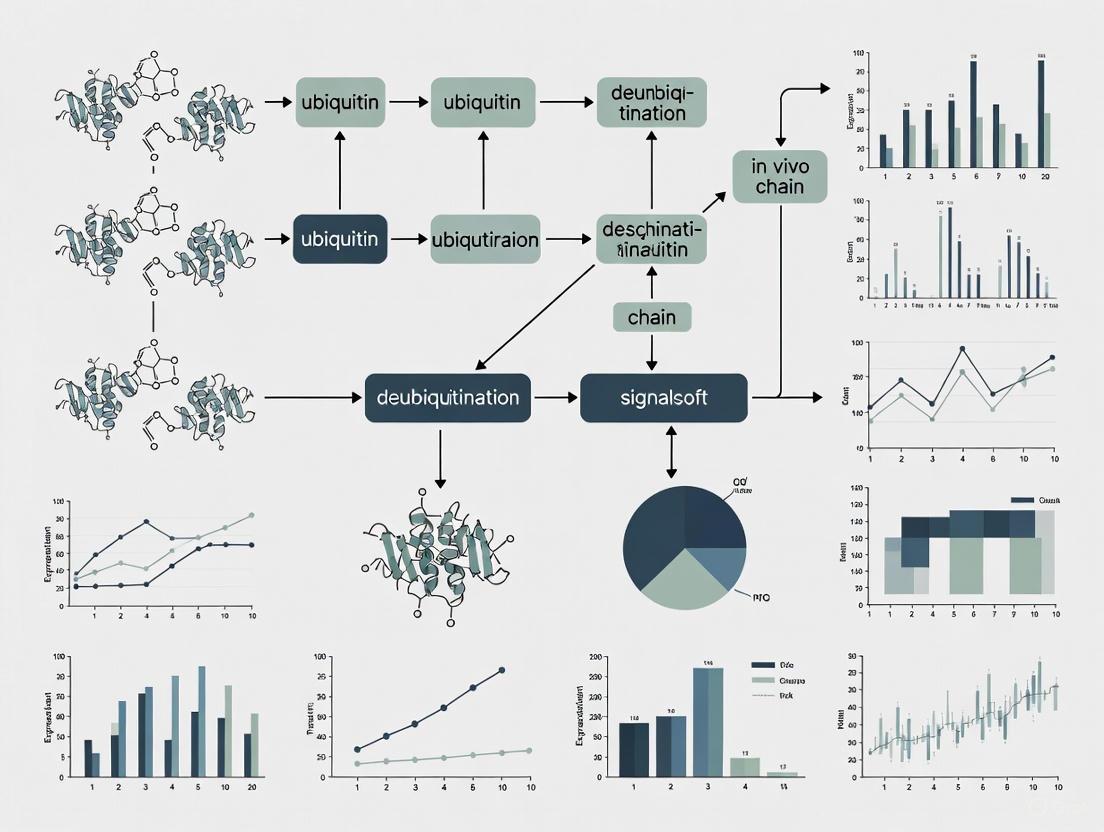
Beyond the Bottleneck: Addressing Tool Limitations to Advance In Vivo Research in 2025
This article addresses the critical challenges and innovative solutions associated with tools and methodologies in modern in vivo studies.
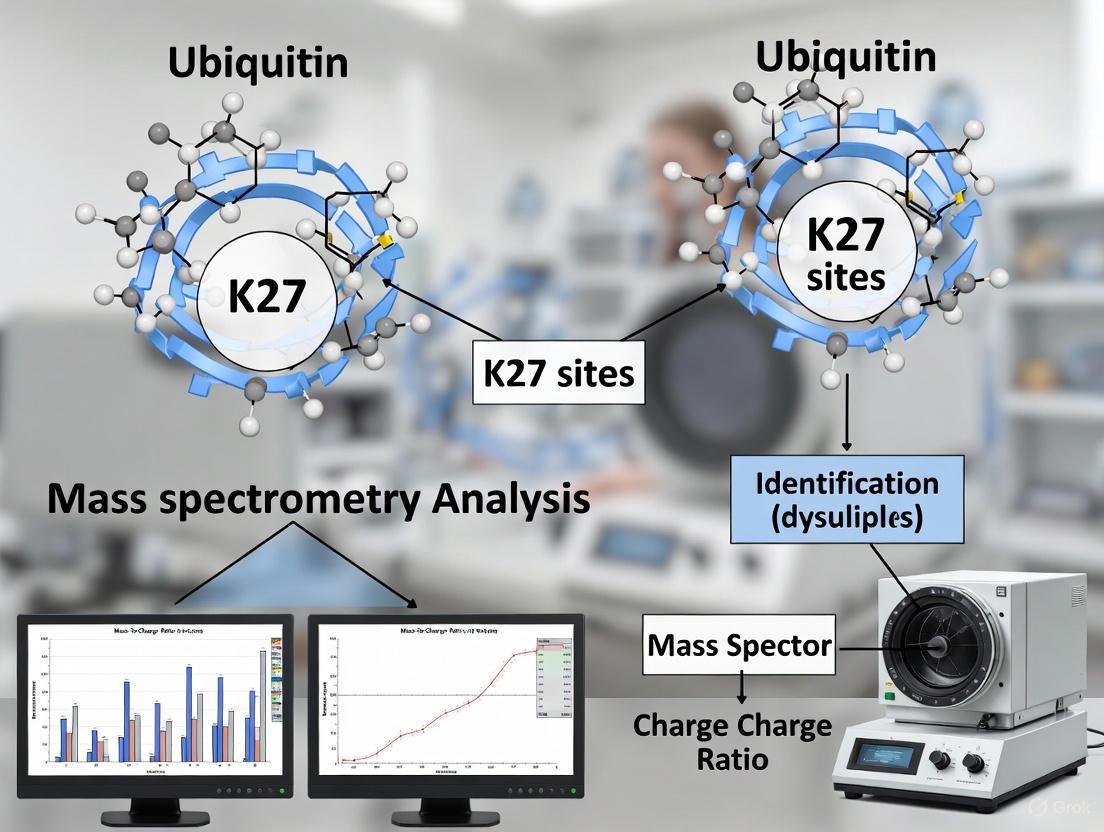
Advancing K27 Ubiquitination Site Identification: Mass Spectrometry Strategies for Challenging Linkage Analysis
K27-linked ubiquitination is a critical but poorly understood post-translational modification with essential roles in cell proliferation, nuclear processes, and disease pathways.
Breaking the Code: Strategies to Overcome Functional Redundancy in Ubiquitin Acceptor Lysines for Targeted Therapy
Functional redundancy among ubiquitin acceptor lysines presents a significant challenge in molecular biology and targeted drug development.

Troubleshooting Genetic Analysis of Ubiquitin Mutants: A Comprehensive Guide for Researchers
Genetic analysis of ubiquitin mutants is pivotal for deciphering the complex ubiquitin code in cellular regulation and disease, yet researchers frequently encounter technical and interpretive challenges.
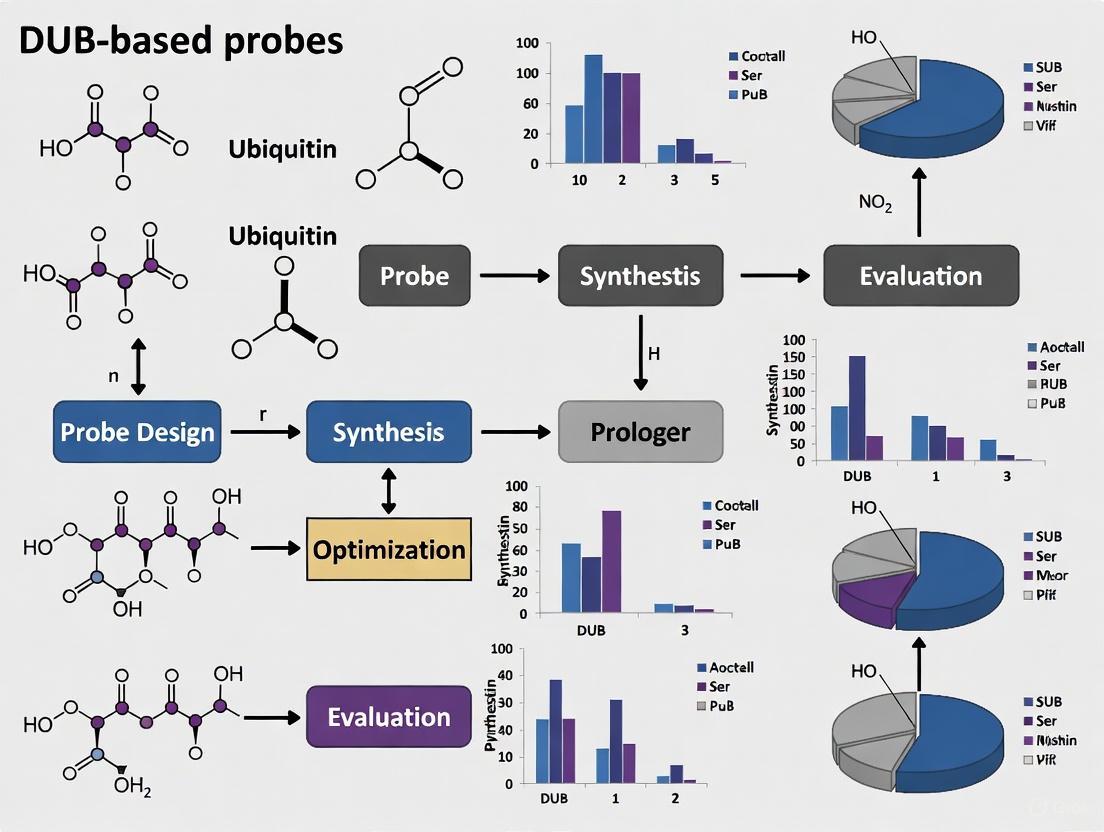
Targeting Atypical Ubiquitin Linkages: Strategies for Optimizing Deubiquitinase Probes and Profiling
This article provides a comprehensive resource for researchers and drug development professionals aiming to advance the design and application of deubiquitinase (DUB) probes for atypical ubiquitin linkages.
Overcoming Technical Hurdles: Analytical Challenges in Characterizing Branched-Chain Compounds for Biomedical Research
This article addresses the critical technical limitations in the characterization of branched-chain compounds, including amino acids (BCAAs) and fatty acids (BCFAs), which are essential for advancing research in cancer metabolism,...
Decoding the Complexity: Key Challenges and Innovative Solutions in Studying Mixed Linkage Ubiquitin Chains
Mixed linkage ubiquitin chains, comprising heterotypic and branched architectures, represent a complex layer of regulation in cellular signaling and protein degradation.
Advanced Strategies for Sensitive Detection of K29 and K33-Linked Ubiquitin Chains
The identification of atypical K29 and K33-linked ubiquitin chains has been a significant challenge in ubiquitin research due to their low abundance and the historical lack of sensitive, specific tools.
Decoding Atypical Ubiquitin Signals: A Guide to K6, K11, and K27 Linkage-Specific Antibody Specificity and Application
This article provides a comprehensive resource for researchers and drug development professionals navigating the challenges of studying atypical ubiquitin linkages.
Optimizing K27-Linked Ubiquitin Chain Enrichment: A Comprehensive Guide for Proteomic Research and Drug Discovery
The atypical K27-linked polyubiquitin chain is emerging as a critical regulator in diverse cellular processes, from chondrogenic differentiation and T-cell-mediated autoimmunity to melanoma progression.