E3 Ligase Activity Assays in Clinical Samples: Methods, Applications, and Diagnostic Potential
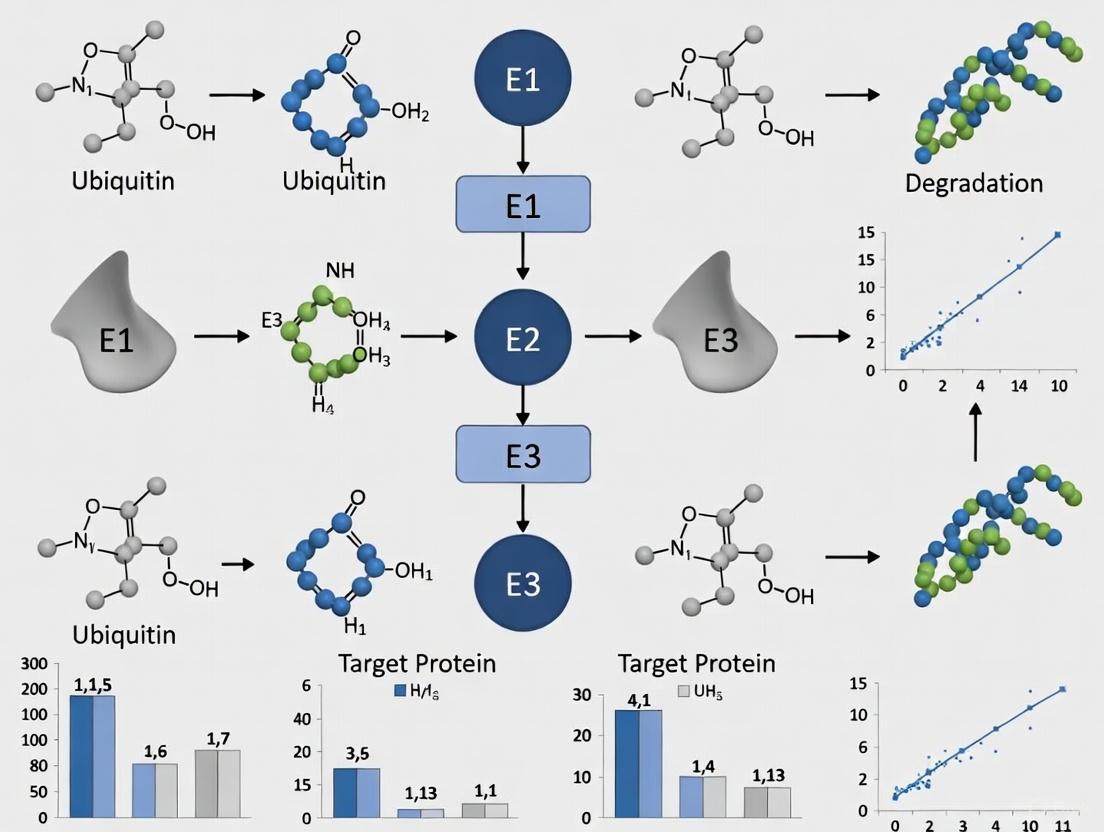
This article provides a comprehensive guide for researchers and drug development professionals on assessing E3 ubiquitin ligase activity in clinical specimens.
E3 Ligase Activity Assays in Clinical Samples: Methods, Applications, and Diagnostic Potential
Abstract
This article provides a comprehensive guide for researchers and drug development professionals on assessing E3 ubiquitin ligase activity in clinical specimens. It covers the foundational principles of diverse E3 ligase mechanisms, including HECT, RBR, and RING families, and details established and emerging methodological approaches—from in vitro reconstitution to cellular activity profiling. The content addresses critical troubleshooting for clinical sample limitations and outlines rigorous validation strategies to ensure assay specificity and reproducibility. By synthesizing recent advances, this resource aims to equip scientists with the practical knowledge to leverage E3 ligase activity as a biomarker and therapeutic target in human disease.
Understanding E3 Ligase Diversity and Clinical Relevance
E3 ubiquitin ligases are crucial effector enzymes in the ubiquitination machinery, responsible for conferring substrate specificity during the process of protein ubiquitination. They can be broadly categorized into three major families based on their catalytic mechanisms: RING (Really Interesting New Gene), HECT (Homologous to E6-AP C-Terminus), and RBR (RING-between-RING) ligases [1] [2]. Understanding the distinct mechanisms of these families is fundamental to researching their roles in cellular homeostasis, signaling, and disease pathogenesis, particularly when designing activity assays for clinical samples. This application note provides a detailed comparison of these families, supported by experimental protocols and key research tools, to facilitate research and drug discovery efforts.
Catalytic Mechanisms of E3 Ligase Families
The three E3 ligase families employ distinct catalytic mechanisms to transfer ubiquitin to substrate proteins, which dictates the experimental approaches used to study their activity.
RING E3 Ligases: RING ligases function as scaffolds that facilitate the direct transfer of ubiquitin from an E2 ubiquitin-conjugating enzyme to the substrate protein. They bind the E2~Ub thioester conjugate and induce a closed E2-Ub conformation that is essential for the substrate's nucleophile (typically a lysine side chain) to attack the thioester bond in a single-step aminolysis reaction [1] [2]. This direct mechanism often necessitates assays that capture E2-E3 interactions and substrate ubiquitination.
HECT E3 Ligases: HECT ligases catalyze ubiquitination in a two-step reaction.
- Ubiquitin is first transferred from the E2's active site cysteine to a catalytic cysteine within the HECT domain's C-lobe via a transthiolation reaction.
- The ubiquitin is then transferred from the HECT E3 to the substrate in a subsequent aminolysis reaction [1]. This mechanism requires activity assays that can detect the transient HECT~Ub thioester intermediate.
RBR E3 Ligases: RBRs are RING/HECT hybrids. They contain a tripartite RBR module (RING1-IBR-RING2) and also employ a two-step mechanism [1] [2].
- The RING1 domain binds the E2~Ub conjugate but stabilizes an open E2-Ub conformation. This aligns the E2~Ub thioester with the active site cysteine in the RING2 domain, facilitating Ub transfer to the RBR E3 (transthiolation).
- Ubiquitin is then transferred from the RING2 domain to the substrate, analogous to HECT ligases [1]. A critical feature of many RBRs is their complex allosteric regulation, often requiring activation by specific ubiquitin linkages or other post-translational modifications [1].
The diagram below illustrates and compares these core catalytic mechanisms.
Comparative Analysis of E3 Ligase Families
Table 1: Key Characteristics of HECT, RBR, and RING E3 Ligase Families
| Feature | HECT Ligases | RBR Ligases | RING Ligases |
|---|---|---|---|
| Catalytic Mechanism | Two-step (E2→E3→Substrate) [1] | Two-step hybrid (E2→E3→Substrate) [1] [2] | Single-step (E2→Substrate) [1] |
| Covalent Intermediate | Yes, on HECT domain cysteine [1] | Yes, on RING2 domain cysteine [1] [2] | No |
| E2~Ub Conformation | Information missing | Open conformation stabilized [1] | Closed conformation induced [1] |
| Allosteric Regulation | Information missing | Common (e.g., by Ub/UBLs) [1] | Information missing |
| Representative Members | E6AP, NEDD4 | Parkin, HOIP, HHARI, HOIL-1 [1] [2] | CBL, VHL, MDM2 |
| Key Regulatory Traits | Information missing | Often autoinhibited, require activation [2] | Information missing |
Table 2: Experimentally Determined Allosteric Activators of Select RBR E3 Ligases
| RBR E3 Ligase | Allosteric Activator | Effective Concentration (EC₅₀) / Context | Functional Implication |
|---|---|---|---|
| HOIL-1 | M1-linked di-Ub | 8 µM [1] | Feed-forward activation in LUBAC complex |
| HOIL-1 | K63-linked di-Ub | 18 µM [1] | Potential cross-talk with K63-linked pathways |
| RNF216 | K63-linked di-Ub | Specific activation observed [1] | Linkage-specific amplifier of K63 signaling |
| Parkin | Phospho-Ub (S65) | - | Critical for PINK1-Parkin mitophagy pathway [1] |
| HHARI | NEDD8 (on Cullins) | - | Integration with Cullin-RING ligase system [1] |
Detailed Experimental Protocols
This section provides methodologies for key experiments used to characterize E3 ligase mechanism and activity, with a focus on RBR ligases.
Protocol: E2-Ub Discharge Assay for RBR Allosteric Activation
Purpose: To quantitatively measure the enhancement of the first catalytic step (E2-to-E3 transthiolation) in RBR ligases upon addition of specific allosteric activators like ubiquitin linkages [1].
Principle: This assay monitors the transfer of ubiquitin from a charged E2~Ub thioester to the active site cysteine of an RBR E3. Allosteric activators increase the efficiency of this discharge, which can be quantified by the disappearance of the E2~Ub band on a non-reducing gel.
Reagents:
- Recombinant RBR Protein: Catalytically competent RBR construct (e.g., HOIL-1 helix-RBR, RNF216 RBR-helix) [1].
- E2~Ub Conjugate: UbcH7~Ub or UbcH5B(C85S)~Ub oxyester conjugate [1].
- Allosteric Activators: Purified di-ubiquitin linkages (e.g., M1-linked, K63-linked) or phospho-Ub [1].
- Reaction Buffer: 50 mM Tris-HCl (pH 7.5), 50 mM NaCl, 5 mM MgCl₂, 1 mM DTT.
Procedure:
- Reaction Setup: In a final volume of 20 µL, combine:
- 0.5 µM RBR E3
- 2 µM E2~Ub conjugate
- Varying concentrations (e.g., 0-50 µM) of the allosteric di-Ub species.
- Incubation: Incubate the reaction mix at 30°C for 10-15 minutes.
- Quenching: Stop the reaction by adding non-reducing SDS-PAGE loading buffer.
- Analysis: Resolve the proteins by non-reducing SDS-PAGE. Visualize the E2~Ub and free E2 bands using Coomassie staining or immunoblotting.
- Quantification: Quantify the band intensities. Plot the percentage of discharged E2~Ub against the allosteric activator concentration to determine the EC₅₀ value using non-linear regression analysis [1].
Protocol: Isothermal Titration Calorimetry (ITC) for E2-Ub/RBR Binding
Purpose: To directly measure the binding affinity between a stable E2-Ub conjugate and an RBR E3, and to quantify the enhancement of this binding by allosteric ubiquitin [1].
Principle: ITC measures the heat change associated with molecular binding in real-time, allowing for the direct determination of binding stoichiometry (N), affinity (Kd), and thermodynamics (ΔH, ΔS).
Reagents:
- Proteins:
- Allosteric Activator: Purified M1- or K63-linked di-Ub.
- Buffer: Matched, degassed dialysis buffer (e.g., 25 mM HEPES pH 7.5, 150 mM NaCl).
Procedure:
- Sample Preparation: Dialyze all proteins extensively into the same degassed ITC buffer.
- ITC Experiment:
- Load the RBR E3 protein (20-50 µM) into the sample cell.
- Fill the syringe with the UbcH7(C86K)-Ub conjugate (200-500 µM).
- Perform the titration by injecting a series of small aliquots of the conjugate into the cell while stirring.
- Measure the heat of reaction after each injection.
- With Allosteric Activator: Pre-mix the RBR E3 in the cell with a saturating concentration (e.g., 50-100 µM) of the activating di-Ub and repeat the titration.
- Data Analysis: Integrate the raw heat data and fit to an appropriate binding model (e.g., one-set-of-sites) using the instrument's software to obtain Kd, N, and ΔH values [1].
Protocol: Differential Degradomics for E3 Ligase Substrate Identification
Purpose: To comprehensively identify endogenous substrates of an E3 ligase in a native cellular context by measuring changes in global protein degradation kinetics upon E3 perturbation [3].
Principle: This method uses pulsed incorporation of the methionine homolog Azidohomoalanine (AHA) to metabolically label the pre-existing proteome. By comparing the decay of AHA-labeled proteins in cells expressing active vs. inactive E3 ligase, one can identify proteins whose degradation is specifically dependent on the E3's catalytic activity.
Reagents:
- Cell Lines: Isogenic cell lines expressing wild-type (active) or catalytically inactive (e.g., MAEAY394A) E3 ligase [3].
- AHA: L-Azidohomoalanine.
- TMTpro Reagents: 16- or 18-plex TMTpro mass spectrometry tags.
- Click Chemistry Reagents: Biotin-alkyne, copper catalyst.
- Streptavidin Beads: For enrichment of biotinylated proteins.
Workflow: The detailed workflow for this multi-step protocol is illustrated below.
Procedure Highlights:
- Cell Line Generation: Engineer cells (e.g., via CRISPR/Cas9 and lentiviral transduction) to express active or inactive E3 ligase under controlled conditions [3].
- Pulse-Chase Labeling:
- Pulse: Incubate cells with AHA-containing medium for 12 hours to label the entire proteome.
- Chase: Replace with normal medium and harvest cells at multiple time points (e.g., 0, 5, 10, 15 h).
- Sample Processing:
- Lyse cells and conjugate biotin to AHA-labeled proteins via click chemistry.
- Perform a quality control check via streptavidin Western blot to confirm labeling efficiency and chase kinetics.
- Enrich biotinylated (i.e., pre-existing) proteins using streptavidin beads.
- Mass Spectrometry:
- Digest enriched proteins on-bead with trypsin.
- Label the resulting peptides from different time points and conditions with TMTpro tags.
- Pool samples and analyze by LC-MS/MS.
- Data Analysis: Calculate protein half-lives. Identify potential E3 substrates as proteins whose degradation is significantly slower in cells expressing the catalytically inactive E3 ligase compared to the active one [3].
Table 3: Essential Research Tools for Investigating E3 Ligase Mechanisms
| Tool / Reagent | Function / Application | Example Use Case |
|---|---|---|
| Stable E2-Ub Conjugates (e.g., UbcH7(C86K)-Ub) [1] | Mimics the E2~Ub thioester via an isopeptide bond for binding studies without catalysis. | Measuring E2-Ub/RBR binding affinity by ITC in the presence/absence of allosteric activators [1]. |
| Linkage-Specific Di-Ubiquitin | Acts as an allosteric activator for specific RBR ligases. | Determining EC₅₀ values for RBR activation in E2-Ub discharge assays (e.g., M1-di-Ub for HOIL-1) [1]. |
| Catalytically Inactive E3 Mutants (e.g., Cys→Ala in RING2) [1] | Traps catalytic intermediates or acts as a negative control in functional assays. | Studying transthiolation complex structure by crystallography; control in degradomics studies [1] [3]. |
| PFI-7 Inhibitor | Small molecule that blocks the substrate-binding pocket of the hGIDGID4 E3 complex [4]. | Validating GID4-dependent substrates by stabilizing them in cellular assays [4]. |
| AHA (Azidohomoalanine) | Methionine homolog for metabolic pulse-chase labeling of the proteome. | Differential Degradomics: Identifying E3 substrates by tracking pre-existing protein decay via click chemistry [3]. |
| UbiBrowser | Online bioinformatics platform for predicting human E3-substrate interaction networks. | In silico prediction of potential E3 ligase substrates to guide experimental validation [5]. |
Application in Clinical and Drug Discovery Research
Understanding E3 mechanisms directly enables innovative therapeutic strategies, most notably in targeted protein degradation (TPD). The expansion of E3 ligases available for TPD is a major focus, as moving beyond the commonly used ligases (CRBN and VHL) could overcome resistance and improve tissue selectivity [6].
A promising approach involves leveraging E3 ligases with restricted expression profiles. For instance, CBL-c and TRAF-4 are RING-type E3 ligases that show higher expression in various tumors compared to normal tissues and are non-essential in CRISPR screens, suggesting a wider therapeutic window [6]. Identifying small-molecule ligands for these E3s, for example via protein-observed NMR fragment screening, provides starting points for developing tumor-selective PROTACs that minimize on-target toxicity in healthy tissues [6].
Furthermore, the unique catalytic mechanisms of RBR and HECT ligases present alternative opportunities. The allosteric activation sites in RBRs or the catalytic cysteine in HECT domains could be targeted by specific inhibitors or recruited by novel degrader modalities, expanding the druggable landscape of the ubiquitin system.
E3 ubiquitin ligases have emerged as critical regulatory enzymes in cellular homeostasis, and their dysregulation is a hallmark of various cancers. These enzymes confer specificity to the ubiquitination process, determining the fate of target proteins, including their degradation, localization, and activity [7]. The discovery that many E3 ligases exhibit differential expression patterns between tumor and normal tissues positions them as promising diagnostic and prognostic biomarkers, as well as potential targets for therapeutic intervention [8] [9]. This application note provides a structured framework for analyzing E3 ligase expression in clinical samples, supporting their validation as clinically actionable biomarkers.
Quantitative Landscape of E3 Ligase Expression in Human Cancers
Comprehensive analyses of E3 ligase expression patterns reveal that numerous ligases are significantly overexpressed in tumors compared to normal tissues, while others show restricted expression profiles that could be exploited for therapeutic targeting.
Table 1: E3 Ligases with Documented Differential Expression in Cancers
| E3 Ligase | Cancer Type(s) | Expression in Tumor vs. Normal | Clinical/Prognostic Association | Molecular Function/Substrate |
|---|---|---|---|---|
| RNF114 | Colorectal, Gastric, Cervical, Breast, Oral | Upregulated [10] | Associated with proliferation, migration, invasion [10] | Substrates: JUP, EGR1, PARP10, CDKN1A [10] |
| RNF125 | Lymphoid tissues [10] | Upregulated [10] | - | Role in immunity, inflammation [10] |
| RNF138 | High in testis, immune system [10] | Context-dependent | Role in genome stability, negative regulator of inflammation [10] | Involved in DNA damage response, homologous recombination [10] |
| GP78 (AMFR) | Breast, Colorectal, Bladder, NSCLC | Upregulated [11] | Poor survival, cancer recurrence [11] | Regulates PD-L1 stability via ubiquitination [11] |
| CDC20 | Lung Adenocarcinoma (LUAD) | Upregulated [9] | Poor prognosis [9] | Cell cycle regulation [9] |
| CBL-c | Multiple Cancers | Higher in tumors vs. normal tissues [12] [6] | Potential for tumor-selective therapy [12] [6] | Ubiquitinates EGFR [12] [6] |
| TRAF-4 | Multiple Cancers | Higher in tumors vs. normal tissues [12] [6] | Potential for tumor-selective therapy [12] [6] | Ubiquitinates Smurf2, CHK1, IRS-1 [12] [6] |
Table 2: E3 Ligases as Core Prognostic Biomarkers in Lung Adenocarcinoma (LUAD)
| Hub Gene | Expression in LUAD | Prognostic Value | Immune Infiltration Correlations | Therapeutic Implications |
|---|---|---|---|---|
| CDC20 | Upregulated [9] | Poor survival [9] | Negatively correlated with B cells and dendritic cells; positively correlated with neutrophils [9] | - |
| AURKA | Upregulated [9] | Poor survival [9] | Same as above [9] | - |
| CCNF | Upregulated [9] | Poor survival [9] | Same as above [9] | High CCNF expression increases sensitivity to multiple antitumor drugs [9] |
| POC1A | Upregulated [9] | Poor survival [9] | Same as above [9] | - |
| UHRF1 | Upregulated [9] | Poor survival [9] | Same as above [9] | - |
Experimental Protocols for E3 Ligase Biomarker Analysis
Protocol: Transcriptomic Analysis of E3 Ligase Expression
Purpose: To systematically identify E3 ligases with differential expression in tumors versus normal tissues at the mRNA level.
Workflow Steps:
- E3 Ligase Gene List Curation: Compile a comprehensive list of E3 ligase genes from databases such as the Integrated Ubiquitin and Ubiquitin-like Conjugation Database (IUUCD), UbiHub, or UbiBrowser [8] [9]. This list should include genes containing characteristic E3 ligase domains (e.g., RING, HECT, UBOX).
- Data Acquisition: Download RNA-seq gene expression data from cohorts like The Cancer Genome Atlas (TCGA) for tumors and the Genotype-Tissue Expression (GTEx) project for normal tissues [12] [6] [9].
- Data Normalization: Merge and normalize raw count data from both sources. A common approach includes normalizing to read depth, scaling (e.g., counts per 10,000), and log-transformation [12] [6].
- Differential Expression Analysis: Perform statistical testing (e.g., Wilcoxon rank-sum test) to identify E3 ligases significantly overexpressed or underexpressed in tumor samples compared to normal controls [12] [6].
- Validation with Public Platforms: Cross-verify findings using online platforms such as UALCAN and GEPIA2, which provide pre-processed expression and survival analysis data for candidate E3 ligases [9].
Key Considerations:
- Essentiality data from CRISPR screens (e.g., DepMap) should be integrated to prioritize non-essential E3 ligases, which may present a wider therapeutic window and lower toxicity risk for targeted therapies [12] [6].
- The analysis should be stratified by cancer type to identify tissue-specific biomarkers.
Protocol: Protein Expression Validation via Immunohistochemistry (IHC)
Purpose: To confirm the protein-level expression and subcellular localization of candidate E3 ligase biomarkers in formalin-fixed, paraffin-embedded (FFPE) tumor and adjacent normal tissues.
Workflow Steps:
- Tissue Microarray (TMA) Construction: Use FFPE tissue blocks from cancer patients and paired paracancerous normal tissues.
- Sectioning and Deparaffinization: Cut TMA into 4 μm-thick sections and follow standard deparaffinization and rehydration procedures.
- Antigen Retrieval: Perform heat-induced epitope retrieval using appropriate buffers (e.g., citrate buffer, pH 6.0).
- Immunostaining:
- Block endogenous peroxidase activity with 3% hydrogen peroxide.
- Incubate sections with a protein block (e.g., 5% goat serum) to reduce non-specific binding.
- Incubate with validated primary antibodies against the target E3 ligase (e.g., CDC20 antibody, 1:200 dilution) overnight at 4°C [9].
- Apply HRP-conjugated secondary antibody and develop with diaminobenzidine (DAB) substrate.
- Counterstain with Mayer's hematoxylin.
- Scoring and Analysis: Evaluate staining using an immunoreactive score (IRS) system that multiplies the staining intensity score (0-3) by the percentage of positive cells score (0-4), yielding a final score of 0-12 [9]. Compare scores between tumor and normal tissues.
Protocol: Functional Analysis via In Vitro Ubiquitination Assay
Purpose: To validate the functional activity of a candidate E3 ligase and its role in ubiquitinating specific substrates, such as immune checkpoints.
Workflow Steps (as demonstrated for GP78 and PD-L1 [11]):
- Cell Culture and Transfection: Culture relevant cell lines (e.g., HEK293T, MDA-MB-231). Transfect with plasmids encoding the E3 ligase (e.g., GP78-V5), the substrate (e.g., PD-L1-Flag), and ubiquitin (e.g., HA-Ub).
- Protein Extraction and Immunoprecipitation (IP): Lyse cells in IP lysis buffer containing protease inhibitors. For co-immunoprecipitation, incubate cell lysates with an antibody against the substrate (e.g., anti-Flag M2 affinity gel) to pull down the substrate and its interacting proteins.
- Western Blot Analysis: Resolve immunoprecipitated proteins or whole cell lysates by SDS-PAGE and transfer to a membrane.
- Ubiquitination Detection: Probe the membrane with antibodies specific for the ubiquitin tag (e.g., HA antibody to detect HA-Ub) and for the substrate (e.g., PD-L1 antibody). The appearance of higher molecular weight smears indicates ubiquitination of the substrate.
- Interaction Validation: Reprobe the membrane for the E3 ligase (e.g., anti-V5 for GP78) to confirm physical interaction in the co-IP complex.
Visualization of E3 Ligase Analysis Workflow and Signaling Pathways
E3 Ligase Biomarker Analysis Workflow
E3 Ligase Role in Cancer Signaling and Immunity
The Scientist's Toolkit: Research Reagent Solutions
Table 3: Essential Reagents for E3 Ligase Biomarker Research
| Reagent / Resource | Source / Example | Application / Function |
|---|---|---|
| E3 Ligase Gene List | IUUCD 2.0, UbiHub, UbiBrowser [8] [9] | Provides a comprehensive, curated starting point of E3 ligase genes for analysis. |
| Expression Datasets | TCGA (Tumor), GTEx (Normal) [12] [6] [9] | Enable differential expression analysis of E3 ligases across cancer types. |
| Validation Platforms | UALCAN, GEPIA2, HPA Database [9] | Online tools for independent validation of mRNA and protein expression. |
| Primary Antibodies | Commercial vendors (e.g., Proteintech, Santa Cruz) [11] [9] | Critical for IHC and Western blot to detect E3 ligases and substrates (e.g., anti-CDC20, anti-GP78). |
| Expression Plasmids | Addgene, Sino Biological [11] | Source of plasmids for E3 ligase, substrate, and tagged-ubiquitin (e.g., HA-Ub) for functional assays. |
| Activity Assay Components | Commercial Kits / Recombinant Proteins | Includes E1 enzyme, E2 enzymes (e.g., UBE2D family), Ubiquitin, and ATP for in vitro ubiquitination assays [13]. |
| Proteasome Inhibitor | MG132 [11] [13] | Stabilizes ubiquitinated proteins in cellular assays by blocking proteasomal degradation. |
Ubiquitination is a crucial post-translational modification mediated by a sequential enzymatic cascade involving E1 activating, E2 conjugating, and E3 ligase enzymes [14]. As the pivotal determinants of substrate specificity, E3 ubiquitin ligases have become attractive therapeutic targets in drug discovery, particularly for cancer and neurodegenerative diseases [6] [15]. The dysregulation of E3 ligases like Nedd4 has been implicated in myriad pathologies, including cancer and Parkinson's disease, spurring interest in developing inhibitors [15].
Autoubiquitination (auto-ubiquitylation), the process where E3 ligases ubiquitinate themselves, serves as a fundamental functional assay to validate ligase activity and identify potential inhibitors [16] [17]. This assay, combined with in vitro reconstitution of the ubiquitination cascade, provides researchers with powerful tools to study E3 ligase function, screen for small molecule modulators, and investigate mechanisms of targeted protein degradation [18] [19]. These foundational assays are particularly valuable in clinical sample research where understanding specific E3 ligase activities can inform therapeutic strategies.
Core Concept: Autoubiquitination as a Functional Readout
Autoubiquitination represents a key biochemical property of many E3 ligases that can be harnessed for activity assessment. In the absence of a specific substrate, many E3 ligases will undergo auto-ubiquitination, a mechanism thought to be responsible for the regulation of the E3 enzyme itself [16]. This phenomenon provides researchers with a practical assay system that doesn't require identification and purification of specific native substrates.
The underlying principle involves reconstituting the complete ubiquitination cascade in vitro with purified components: E1 activating enzyme, E2 conjugating enzyme, E3 ligase, ubiquitin, and ATP. Active E3 ligases will catalyze the transfer of ubiquitin to themselves, resulting in characteristic molecular weight shifts that can be detected by western blotting or other methods [17]. This assay format has been successfully applied across diverse E3 ligase families, including RING-type (e.g., MDM2), HECT-type (e.g., Nedd4, ITCH), and RBR-type (e.g., HOIP) ligases [16].
Table 1: Key Applications of Autoubiquitination Assays in Research
| Application | Utility | Examples |
|---|---|---|
| E3 Ligase Validation | Confirm putative E3 ligase activity | Characterizing novel E3 ligases [20] |
| Drug Discovery | Screen for inhibitors/activators | Nedd4 inhibitor screening [15] |
| Mechanistic Studies | Elucidate catalytic mechanisms | Studying TRIM pseudoligases [13] |
| Functional Characterization | Assess mutants and variants | SINAT2 E3 ligase analysis [17] |
Comparative Analysis of Detection Methodologies
Various technical approaches have been developed to detect and quantify autoubiquitination activity, each with distinct advantages and limitations for different research contexts.
Table 2: Comparison of Autoubiquitination Detection Methods
| Method | Principle | Throughput | Sensitivity | Key Applications |
|---|---|---|---|---|
| Immunoblotting | SDS-PAGE separation + ubiquitin antibody detection | Low-medium | High (fm-pmol) | Validation studies [17] |
| TR-FRET | Energy transfer between fluorophore-labeled ubiquitin and E3 ligase | High | Medium | High-throughput screening [15] |
| MALDI-TOF MS | Mass detection of ubiquitin consumption | High | High | Label-free screening [16] |
| Chemiluminescence ELISA | Antibody-based ubiquitin detection in plate format | Medium-high | Medium | Moderate throughput screening [13] |
The choice of methodology depends on research objectives, equipment availability, and required throughput. Immunoblotting provides direct visualization of ubiquitin laddering but offers lower throughput, while TR-FRET and MALDI-TOF MS enable high-throughput screening for drug discovery applications [15] [16]. The MALDI-TOF E2/E3 assay is particularly valuable as a universal tool for drug discovery screening in the ubiquitin pathway as it requires minimal reagent amounts and works with all E3 ligase families without requiring chemical or fluorescent probes [16].
Experimental Protocols
Protocol 1: Standard In Vitro Autoubiquitination Assay
This protocol adapts established methodologies for assessing E3 ligase autoubiquitination activity using immunoblotting for detection [17].
Reagents and Equipment:
- Purified recombinant E3 ligase (500 ng-1 µg)
- Ubiquitin activating enzyme E1 (50 ng)
- Ubiquitin conjugating enzyme E2 (250 ng)
- Ubiquitin (1 µg)
- ATP (2 mM)
- DTT (2 mM)
- Tris-HCl buffer (40 mM, pH 7.5)
- SDS-PAGE and western blot equipment
- Anti-ubiquitin antibody (e.g., P4D1) and E3 ligase-specific antibody
Procedure:
- Prepare ubiquitination reaction mixture in a total volume of 30 µL containing:
- 40 mM Tris-HCl, pH 7.5
- 5 mM CaCl₂ (or 5 mM MgCl₂)
- 2 mM ATP
- 2 mM DTT
- 50 ng E1 enzyme
- 250 ng E2 enzyme
- 1 µg ubiquitin
- 500 ng purified recombinant E3 ligase
Include essential control reactions:
- Complete reaction mixture
- Minus E1 control
- Minus E2 control
- Catalytically inactive E3 mutant (e.g., Cys-to-Ser for RING ligases)
Incubate mixtures at 30°C with agitation for 1-2 hours.
Stop reactions by adding 5× SDS sample buffer.
Separate proteins by SDS-PAGE (8-10% gel) and transfer to nitrocellulose membrane.
Detect autoubiquitination using anti-ubiquitin antibody (1:3,000 dilution) and E3 ligase-specific antibody to confirm loading.
Develop blots using chemiluminescence substrate and visualize.
Troubleshooting Notes:
- Optimize E3 concentration if no signal is detected
- Include protease inhibitors in reactions
- Verify activity of individual components (E1, E2)
- For HECT domain ligases, ensure reducing conditions to maintain catalytic cysteine
Protocol 2: TR-FRET-Based High-Throughput Screening Assay
This protocol describes a TR-FRET assay adapted for Nedd4 autoubiquitination screening, suitable for inhibitor identification [15].
Reagents and Equipment:
- N-terminal His-tagged Nedd4 with C-terminal biotin acceptor peptide (130 nM)
- Terbium-labeled streptavidin (50 nM)
- FITC-labeled ubiquitin (300 nM)
- Uba1 (E1, 50 nM)
- UbcH5a (E2, 125 nM)
- ATP-MgCl₂ (2 mM)
- Assay buffer (150 mM NaCl, 20 mM HEPES pH 7.5, 0.00063% NP-40, 0.1 mM TCEP)
- 384-well white OptiPlate
- TR-FRET compatible plate reader
Procedure:
- Prepare assay buffer with optimized detergent concentration to minimize background.
Pre-incubate biotinylated Nedd4 with terbium-streptavidin for 30 minutes at room temperature.
Add remaining components: E1, E2, FITC-ubiquitin, and test compounds in DMSO (final concentration ≤1%).
Initiate reactions by adding ATP-MgCl₂.
Incubate reactions for 60-90 minutes at room temperature.
Measure TR-FRET signals using 340 nm excitation, with emission detection at 485 nm (terbium) and 520 nm (FITC).
Calculate activity ratios (520 nm/485 nm emission) and normalize to controls.
Determine IC₅₀ values by testing compound serial dilutions.
Validation:
- Confirm hits using orthogonal methods (e.g., immunoblotting)
- Test selectivity against related E3 ligases
- Perform mass spectrometry to identify covalent modification sites
Research Reagent Solutions
Table 3: Essential Reagents for Autoubiquitination Assays
| Reagent Category | Specific Examples | Function | Commercial Sources |
|---|---|---|---|
| Enzymes | Uba1 (E1), UbcH5a/UBE2D1 (E2) | Catalyze ubiquitin activation and conjugation | Enzo Life Sciences, R&D Systems [15] [17] |
| E3 Ligases | Nedd4, MDM2, ITCH, HOIP, SINAT2 | Substrate for autoubiquitination | Recombinant expression [15] [16] [17] |
| Detection Reagents | FITC-ubiquitin, Terbium-streptavidin, anti-ubiquitin antibodies | Enable activity measurement and visualization | Thermo Fisher, Santa Cruz Biotechnology [15] [17] |
| Specialized Kits | Auto-ubiquitinylation Kit | Provide optimized complete systems | Enzo Life Sciences [20] |
Visualization of Experimental Workflows
Autoubiquitination Assay Workflow
Ubiquitin Cascade Mechanism
Advanced Applications in Research
Autoubiquitination assays have enabled significant advances in understanding E3 ligase biology and developing therapeutic interventions:
Identification of Pseudoligases: Comprehensive auto-ubiquitination screening of the TRIM protein family revealed that several RING domain-containing TRIMs lack detectable ubiquitination activity, classifying them as "pseudoligases" [13]. These findings suggest unexplored ubiquitination-independent functions for these proteins.
Inhibitor Discovery: TR-FRET-based autoubiquitination assays enabled identification of covalent Nedd4 inhibitors targeting the catalytic cysteine Cys867, demonstrating the utility of these assays for drug discovery [15]. The inhibitors showed IC₅₀ values of 31-52 µM, providing starting points for therapeutic development.
Engineered E3 Ligase Systems: Recent work has established engineered platforms for reconstituting functional multisubunit SCF E3 ligases in vitro using fused SKP1-Cullin1-RBX1 (eSCR) proteins with interchangeable F-box proteins [19]. This system facilitates studying mechanisms of multisubunit SCF E3 ligases across eukaryotes.
Functional Characterization: Auto-ubiquitination assays have been critical for characterizing E3 ligases like SINAT2 in plants, demonstrating the conservation of this mechanism across kingdoms and its importance in stress response pathways [17].
Ubiquitination, once considered primarily a process targeting lysine residues for proteasomal degradation, is now recognized as a vastly more complex post-translational modification system. E3 ubiquitin ligases confer substrate specificity within the ubiquitin-proteasome system, with the human genome encoding over 600 such enzymes [21]. While the canonical pathway involves the formation of an isopeptide bond between the C-terminus of ubiquitin and the ε-amine group of a substrate lysine residue, recent research has revealed substantial diversity in E3 ligase substrate recognition [22] [7]. The identification of non-canonical ubiquitination targets, including serine/threonine hydroxyl groups and entirely non-proteinaceous molecules, represents a fundamental expansion of our understanding of ubiquitin signaling [22]. This application note examines these emerging paradigms and provides methodologies for investigating broad E3 ligase substrate specificity within clinical research contexts.
Table: Evolution of E3 Ligase Substrate Recognition Paradigms
| Era | Primary Recognized Substrates | Key Technological Advances | Limitations |
|---|---|---|---|
| Traditional (Pre-2010) | Protein lysine residues; Linear N-terminal | Chain-specific antibodies; TUBE technology | Restricted to proteinaceous targets |
| Transitional (2010-2020) | Serine/threonine residues; Misfolded proteins | Advanced proteomics; Genetic screening | Limited tools for non-protein ubiquitination |
| Current (2021-Present) | Saccharides; Nucleic acids; Lipids; Small molecules | Engineered ligases; Synthetic biology; Specialized standards | Incomplete mechanistic understanding |
Molecular Mechanisms of Diverse Substrate Recognition
Structural Determinants of Expanded Specificity
E3 ubiquitin ligases employ diverse structural mechanisms to recognize an expanding repertoire of substrate types. RING-type E3s typically facilitate direct ubiquitin transfer from E2 enzymes to substrates, while HECT-type E3s form an obligate thioester intermediate with ubiquitin before substrate transfer [21]. The RING-between-RING (RBR) family E3 ligase HOIL-1 exemplifies specialized adaptation for non-canonical substrates, featuring a critical catalytic histidine residue (His510) within its flexible active site that enables O-linked ubiquitination while prohibiting ubiquitin discharge onto lysine sidechains [22]. This residue appears to discriminate between hydroxyl groups in Ser/Threonine residues and ε-amine groups in Lys residues, providing a structural basis for substrate preference.
Beyond amino acid side chains, E3 ligases have demonstrated remarkable adaptability in recognizing diverse chemical structures. HOIL-1 efficiently ubiquitinates various di- and monosaccharides in addition to serine residues, displaying only minimal differences in relative activity across a broad range of saccharides [22]. This promiscuity toward carbohydrate substrates suggests recognition mechanisms based on fundamental chemical properties rather than highly specific structural motifs.
Degron Recognition Strategies
E3 ligases employ multiple strategies for substrate recognition through specific degradation signals (degrons):
- Phosphodegrons: Post-translational phosphorylation activates degrons by creating stabilized binding interfaces with E3 ligases, as demonstrated by FBW7's requirement for phosphate-mediated hydrogen bonding [21].
- N-degrons: The N-end rule pathway recognizes destabilizing N-terminal amino acids, with positively charged (Arg, Lys, His) and bulky hydrophobic residues (Phe, Trp, Tyr, Leu, Ile) serving as preferred degrons [21].
- Misfolded and sugar degrons: Unusual structural features including exposed hydrophobic domains of misfolded proteins and high-mannose glycans serve as recognition signals through E3s like San1 and Fbs1/Fbs2, respectively [21].
- Small molecule-dependent degrons: Environmental cues regulate recognition, exemplified by VHL's oxygen-dependent recognition of hydroxylated HIF-α [21].
Diagram: E3 Ubiquitin Ligase Families and Their Substrate Recognition Mechanisms
HOIL-1 as a Model for Promiscuous Ubiquitination
Comprehensive in vitro analyses of HOIL-1 reveal a distinctive substrate preference profile that contrasts with canonical E3 ligases. Unlike typical RING E3s that primarily target lysine residues, HOIL-1 demonstrates efficient ubiquitination of serine and diverse saccharides with only weak activity toward threonine and no detectable activity for lysine residues [22]. This substrate profile highlights the critical importance of understanding individual E3 ligase characteristics rather than generalizing mechanisms across families.
Table: Quantitative Substrate Preference Profile of HOIL-1 RBR E3 Ligase
| Substrate Category | Specific Examples Tested | Relative Activity | Key Structural Determinants |
|---|---|---|---|
| Protein Residues | Serine | High efficiency | His510-mediated hydroxyl group recognition |
| Threonine | Weak activity | Steric constraints in active site | |
| Lysine | No detectable activity | His510 exclusion of amine groups | |
| Disaccharides | Maltose | High efficiency | Glucose dimer structure |
| Lactose | Moderate efficiency | Varied sugar composition | |
| Sucrose | Moderate efficiency | Non-reducing sugar | |
| Monosaccharides | Glucose | High efficiency | Free hydroxyl groups |
| Galactose | High efficiency | Stereoisomer differences tolerated | |
| Physiological Substrates | Glycogen | High efficiency | Storage polysaccharide |
| Myddosome components | Documented in literature | Ser/Thr residues on signaling proteins |
TRIM Family Pseudoligases: Unexpected Inactivity
Recent family-wide analyses of TRIM E3 ligases revealed unexpected diversity in catalytic capability, with several members identified as "pseudoligases" - containing RING domains but lacking detectable ubiquitination activity [13]. Structural analyses indicate these pseudoligases have diverged at either homodimerization interfaces or E2~ubiquitin binding sites, disrupting ubiquitin transfer capability. This discovery has significant implications for substrate specificity studies, as assumptions of catalytic function based solely on domain architecture may be misleading.
Table: Classification of TRIM Family E3 Ligase Activity Profiles
| TRIM Subgroup | Catalytic Status | Structural Features | Representative Members |
|---|---|---|---|
| Active Ligases | Robust auto-ubiquitination | Intact dimerization and E2 interfaces | TRIM21, TRIM32, TRIM5 |
| Conditional Ligases | Context-dependent activity | Requires specific cofactors or localization | TRIM25, TRIM56 |
| Pseudoligases | No detectable activity | Disrupted dimerization or E2 binding | TRIM3, TRIM24, TRIM28, TRIM33, TRIM51 |
| Unclassified | Unknown activity | RING-less variants | Multiple uncharacterized members |
Experimental Protocols for Comprehensive Specificity Profiling
In Vitro Ubiquitination Assay for Diverse Substrates
Purpose: To quantitatively characterize E3 ligase activity against proteinaceous and non-proteinaceous substrates.
Reagents and Equipment:
- Recombinant E1 activating enzyme
- Recombinant E2 conjugating enzyme (specific E2s should be selected based on E3 compatibility)
- Recombinant E3 ligase (e.g., HOIL-1, wild-type or engineered constitutive active variant)
- ATP regeneration system
- Purified ubiquitin
- Candidate substrates: serine/threonine-containing peptides, saccharides, nucleic acids, lipids
- Reaction buffer: 50mM Tris-HCl (pH 7.5), 50mM NaCl, 10mM MgCl₂, 1mM DTT
- SDS-PAGE equipment or mass spectrometry for analysis
Procedure:
- Prepare master mix containing 100nM E1, 1μM E2, 10μM ubiquitin, and ATP regeneration system in reaction buffer.
- Aliquot master mix into separate tubes for each substrate condition.
- Add candidate substrates to respective tubes at physiologically relevant concentrations (typically 1-100μM for peptides, 1-10mM for saccharides).
- Initiate reactions by adding E3 ligase to final concentration of 100-500nM.
- Incubate at 30°C for predetermined timepoints (0, 5, 15, 30, 60 minutes).
- Terminate reactions by adding SDS-PAGE loading buffer (for protein substrates) or flash-freezing in liquid nitrogen (for MS analysis).
- Analyze reaction products by:
- Immunoblotting with ubiquitin-specific antibodies
- Mass spectrometry for modified substrates
- Mobility shift assays for saccharide conjugates
Technical Notes:
- For HOIL-1 assays, include both wild-type and H510A mutant controls to verify mechanism
- Engineered constitutive active HOIL-1 variants simplify production of ubiquitinated saccharides as tool compounds [22]
- Include no-E3 and no-substrate controls in each experiment
Cellular Ubiquitination Monitoring with Label-Free Proteomics
Purpose: To identify novel E3 substrates and characterize specificity in physiological contexts.
Reagents and Equipment:
- Inducible expression system for E3 ligase (wild-type and ligase-defective mutant)
- Proteasome inhibitor (MG132)
- Pan-deubiquitinase inhibitor (PR619)
- Subcellular Proteome Extraction Kit
- Nano-LC-ESI-LTQ-Orbitrap mass spectrometry system
- Bioinformatics software for spectral analysis
Procedure:
- Establish isogenic cell lines expressing wild-type E3 or catalytically inactive mutant under inducible promoter.
- Induce E3 expression for optimized duration (typically 8-24 hours).
- Treat parallel cultures with proteasome and deubiquitinase inhibitors for 4-6 hours before harvesting.
- Fractionate cells into subcellular compartments using extraction kit.
- Prepare protein extracts and separate by SDS-PAGE.
- Excise gel lanes into multiple slices, perform in-gel tryptic digestion.
- Analyze resulting peptides by nano-LC-MS/MS.
- Process raw data using label-free quantification algorithms:
- Measure spectral counts and mass spectrometric signal intensity
- Identify proteins significantly decreased in wild-type vs. mutant cells
- Apply statistical thresholds (e.g., >2-fold decrease, p<0.05)
Technical Notes:
- This approach successfully identified filamin A and B as substrates of ASB2 E3 ligase [23]
- Method is particularly valuable for multimeric E3 ligases where substrate interactions are transient
- Biological replicates (n≥3) are essential for statistical power
Diagram: Comprehensive Workflow for E3 Ligase Substrate Specificity Profiling
The Scientist's Toolkit: Essential Research Reagents
Table: Key Reagent Solutions for E3 Ligase Specificity Research
| Reagent Category | Specific Examples | Function/Application | Technical Considerations |
|---|---|---|---|
| Engineered E3 Ligases | Constitutively active HOIL-1 variant | Facilitates production of ubiquitinated tool compounds | Simplifies in vitro generation of diverse ubiquitinated molecules [22] |
| Ubiquitination Machinery | Recombinant E1, E2 enzymes; ATP regeneration systems | Reconstitution of minimal ubiquitination systems | E2 selection critically impacts substrate specificity and linkage type |
| Specialized Substrates | Ser/Thr-containing peptides; Diverse saccharides; Nucleic acids | Profiling specificity breadth | Purity and structural characterization essential for quantitative comparisons |
| Detection Reagents | Ubiquitin-specific antibodies (e.g., FK2); Chain-specific antibodies | Detection and characterization of ubiquitinated products | Limited availability of antibodies recognizing non-protein ubiquitination |
| Proteomics Tools | Tandem Ubiquitin Binding Entities (TUBEs); Ubiquitin remnant motifs | Enrichment and identification of ubiquitinated substrates | Optimization required for different substrate classes |
| Inhibition Reagents | Proteasome inhibitors (MG132); DUB inhibitors (PR619) | Stabilization of ubiquitinated species in cellular contexts | Dose and timing optimization required for different cell types |
Clinical Implications and Therapeutic Applications
Tissue-Specific E3 Ligases for Targeted Therapy
The restricted expression patterns of certain E3 ligases in particular tissues or disease states present opportunities for therapeutic targeting. Systematic analyses of E3 expression across tumors and normal tissues have identified multiple ligases with tumor-enriched expression, including CBL-c and TRAF-4 [6]. Such E3s represent promising candidates for tissue-selective targeted protein degradation, potentially mitigating on-target, off-tissue toxicities that limit conventional therapies.
The emergence of DCAF2 as a novel E3 ligase for targeted protein degradation demonstrates the therapeutic potential of expanding the E3 repertoire beyond the commonly utilized VHL and CRBN [24]. DCAF2 exhibits frequent overexpression in various cancers and can be harnessed for tumor-selective degradation, highlighting the clinical value of characterizing less-studied E3 family members.
PROTAC Design Considerations for Expanded Substrate Recognition
Proteolysis-Targeting Chimeras (PROTACs) represent a transformative therapeutic modality that hijacks E3 ligases to induce degradation of disease-causing proteins [6] [7]. The expanding understanding of E3 substrate specificity informs PROTAC development in several critical aspects:
- E3 selection: Tissue-specific E3 expression can be leveraged for spatial control of protein degradation
- Ternary complex formation: Structural compatibility between E3, linker, and target protein influences degradation efficiency
- Specificity profiling: Understanding natural E3 substrates helps predict potential off-target degradation
Fragment-based screening approaches using protein-observed NMR have successfully identified novel ligands for previously untargeted E3s, expanding the toolkit available for PROTAC development [6]. These approaches are particularly valuable for E3s with restricted expression patterns that may offer enhanced therapeutic windows.
The paradigm of E3 ubiquitin ligase substrate specificity has expanded dramatically beyond canonical lysine targeting to include diverse modifications on serine/threonine residues and entirely non-proteinaceous molecules. HOIL-1 exemplifies this broad specificity, utilizing specialized active site architecture to ubiquitinate hydroxyl groups in both amino acid side chains and saccharides. Comprehensive characterization of E3 specificity requires integrated approaches combining reductionist in vitro reconstitution with cellular validation using quantitative proteomics. The strategic exploitation of tissue-restricted E3 expression patterns and continued identification of novel E3 ligands promises to advance targeted protein degradation therapeutics with enhanced specificity and reduced off-target effects. As the repertoire of characterized E3 ligases continues to expand, so too will opportunities for innovative therapeutic interventions across diverse disease contexts.
Practical Workflows for E3 Activity Profiling in Clinical Specimens
Within targeted protein degradation and drug discovery, the isolation of enzymatically active ubiquitin E3 ligases from mammalian cells is a critical, yet challenging, prerequisite for functional studies. The activity of E3 ligases is paramount for successful downstream applications, including high-throughput screening and structural characterization. This protocol details an optimized method for the purification of active E3 ligases, specifically demonstrated for E6AP/UBE3A, from suspended Human Embryonic Kidney (HEK) cells [25]. The isolated protein is confirmed to be a catalytically active monomer-oligomer mixture suitable for advanced biochemical and structural studies.
Key Reagents and Equipment
Table 1: Essential Research Reagent Solutions for E3 Ligase Isolation
| Item | Function/Description | Example or Source |
|---|---|---|
| Suspended HEK Cells | Host system for recombinant E3 ligase expression providing proper post-translational modifications. | Human Embryonic Kidney (HEK) cells [25]. |
| Affinity Chromatography Resin | Primary purification step to capture the tagged E3 ligase with high specificity. | Resin specific to the chosen affinity tag (e.g., His-tag, GST-tag) [25]. |
| Lysis Buffer | Lyse cells while maintaining protein stability and activity. | Typically includes Tris-HCl pH 7.5, salts, and protease inhibitors [26]. |
| Size-Exclusion Chromatography (SEC) Column | Final polishing step to separate E3 ligase monomers from oligomers and aggregates. | Preparative-grade SEC column (e.g., Superdex) [25]. |
| Mass Photometry | Measures molecular mass in solution to determine oligomeric state and sample homogeneity. | Refeyn OneMP or similar instrument [25]. |
Optimized Step-by-Step Protocol
Cell Culture and Lysis
- Cell Culture: Culture suspended HEK cells expressing the recombinant, affinity-tagged E3 ligase (e.g., E6AP/UBE3A) under standard conditions (37°C, 5% CO₂).
- Harvesting: Collect cells by centrifugation when they reach the desired density.
- Lysis: Resuspend the cell pellet in a chilled, optimized lysis buffer. The exact composition is critical and should include protease inhibitors. Perform cell disruption using a method suitable for mammalian cells, such as sonication or detergent-based lysis [25].
Affinity Purification
- Clarification: Centrifuge the lysate at high speed (e.g., >15,000 × g) to remove cellular debris. Pass the supernatant through a 0.45 µm filter.
- Binding: Incubate the clarified lysate with the affinity resin (e.g., Ni-NTA for His-tagged proteins) for a sufficient time to allow binding.
- Washing: Wash the resin extensively with a wash buffer containing a low concentration of imidazole (for His-tagged proteins) or a similar mild eluant to remove non-specifically bound proteins.
- Elution: Elute the bound E3 ligase using elution buffer containing a high concentration of the competitive agent (e.g., 250 mM imidazole) or a specific protease to cleave the tag [25].
Size-Exclusion Chromatography (SEC)
- Concentration: Concentrate the affinity-purified eluate using an appropriate molecular weight cut-off (MWCO) centrifugal concentrator.
- Fractionation: Inject the concentrated protein onto a pre-equilibrated SEC column. Elute the protein isocratically with a compatible storage or assay buffer (e.g., 50 mM Tris-HCl, 150 mM NaCl, pH 7.5).
- Collection: Collect elution fractions and analyze them by SDS-PAGE. Pool fractions containing the pure E3 ligase, typically corresponding to the monomeric and oligomeric forms [25].
Quality Control and Validation
- Purity Assessment: Analyze the final pooled sample using SDS-PAGE stained with Coomassie Blue and Q-TOF mass spectrometry to confirm sample purity and identity [25].
- Oligomeric State Determination: Use mass photometry to characterize the oligomeric state of the preparation. The E6AP sample, for instance, forms a monomer-oligomer mixture [25].
- Activity Assay: Confirm enzymatic activity using an in vitro ubiquitination assay. This involves incubating the purified E3 with E1 enzyme, E2 enzyme, ubiquitin, and ATP, then detecting the formation of ubiquitin chains via western blot or ELISA [13] [25].
The following workflow diagram illustrates the complete isolation and validation process.
Application in Drug Development
The isolation of active E3 ligases is fundamental to targeted protein degradation (TPD) drug development. Fully automated, end-to-end sample preparation platforms have been developed to enhance the throughput and reproducibility of proteomic sample preparation, which is indispensable for TPD compound characterization [27]. These platforms can process from cell pellets to mass-spectrometry-ready peptides, enabling precise quantification of protein degradation across multiple cell lines and conditions [27].
Table 2: Quantitative Analysis of Purified E3 Ligase Characteristics
| Characterization Method | Key Result | Significance for Clinical Research |
|---|---|---|
| SDS-PAGE & Q-TOF MS | Confirmed high sample purity [25]. | Essential for reliable activity assays and structural studies; reduces experimental noise. |
| Mass Photometry | Identified a monomer-oligomer mixture [25]. | Informs on the native state and functional oligomerization of the E3 ligase. |
| In Vitro Ubiquitination Assay | Demonstrated catalytic activity [25]. | Validates the functional integrity of the isolated ligase for screening and mechanistic studies. |
| Cryo-EM Analysis | Confirmed sample amenability to structural studies [25]. | Enables high-resolution structural visualization of E3 ligases and their complexes. |
The following diagram illustrates how isolated E3 ligases enable the identification of ligands, which are key starting points for developing tumor-selective degraders.
This approach is particularly powerful for E3 ligases with restricted expression profiles. For example, ligands have been identified for E3s like CBL-c and TRAF-4, which are overexpressed in certain cancers but minimally expressed in normal tissues [6]. PROTACs derived from such ligands offer a promising strategy to achieve tumor-selective degradation, potentially widening the therapeutic window and minimizing on-target toxicity in healthy tissues [6].
The ubiquitin system is a master regulator of eukaryotic cell physiology, controlling virtually all aspects of protein function, including stability, localization, and activity [28]. This post-translational modification process involves a sequential enzymatic cascade: an E1 (ubiquitin-activating enzyme) activates ubiquitin, an E2 (ubiquitin-conjugating enzyme) carries the activated ubiquitin, and an E3 (ubiquitin ligase) transfers ubiquitin to specific substrate proteins [29] [30]. With over 600 E3 ligases in the human genome determining substrate specificity, understanding their individual functions has become a major focus in biomedical research, particularly for identifying novel therapeutic targets in cancer, neurodegenerative diseases, and other pathological conditions [28] [29].
In vitro ubiquitination assays represent a fundamental tool for deconstructing this complex system, allowing researchers to investigate specific E3 ligase activities, substrate recognition, and ubiquitin chain dynamics in a controlled environment. These assays are particularly valuable in clinical samples research, where they enable the study of disease-associated E3 ligase mutations, screening for targeted ubiquitination inhibitors, and profiling E3 ligase activities in patient-derived samples. This protocol details the establishment of robust in vitro ubiquitination assays, providing a framework for advancing drug discovery and mechanistic studies of ubiquitin-related pathologies.
The Biochemical Basis of Ubiquitination
The ubiquitination cascade begins with ATP-dependent ubiquitin activation by E1, forming a thioester bond with its catalytic cysteine. The ubiquitin is then transferred to the catalytic cysteine of an E2 enzyme. Finally, E3 ligases facilitate ubiquitin transfer to substrate proteins, typically forming an isopeptide bond with a lysine ε-amino group, though modifications can also occur on protein N-termini or other non-protein molecules [28] [31].
E3 ligases are categorized into three major families based on their catalytic mechanisms. RING-type E3s act as scaffolds to bring the E2~Ub complex in proximity to the substrate for direct ubiquitin transfer. HECT-type E3s employ a two-step mechanism: they first accept ubiquitin from the E2 onto their catalytic cysteine residue before transferring it to the substrate. RBR-type E3s utilize a hybrid mechanism, combining aspects of both RING and HECT families [29]. Understanding these distinct mechanisms is crucial for designing targeted assays and interpreting experimental outcomes.
The functional consequences of ubiquitination depend on the type of ubiquitin modification. Mono-ubiquitination can alter protein interactions and localization, while poly-ubiquitin chains formed through different ubiquitin lysine residues (K48, K63, K11, etc.) determine specific fates. K48-linked chains typically target proteins for proteasomal degradation, whereas K63-linked chains are involved in signaling pathways, DNA damage repair, and endocytic trafficking [29]. Recent evidence has expanded the substrate realm beyond proteins, revealing that ubiquitination can target drug-like small molecules, opening new avenues for harnessing the ubiquitin system for therapeutic applications [28].
Research Reagent Solutions
Table 1: Essential Reagents for In Vitro Ubiquitination Assays
| Reagent | Stock Concentration | Working Concentration | Function |
|---|---|---|---|
| E1 Enzyme | 5 µM | 100 nM | Activates ubiquitin in an ATP-dependent manner; forms thioester bond with ubiquitin [32] |
| E2 Enzyme | 25 µM | 1 µM | Carries activated ubiquitin; determines possible E3 partners and chain topology [32] |
| E3 Ligase | 10 µM | 1 µM | Provides substrate specificity; catalyzes ubiquitin transfer to substrate [32] |
| Ubiquitin | 1.17 mM (10 mg/mL) | ~100 µM | Protein modifier conjugated to substrates; can form chains via lysine residues [32] |
| MgATP Solution | 100 mM | 10 mM | Energy source for E1-mediated ubiquitin activation [32] |
| 10X E3 Ligase Reaction Buffer | 10X (500 mM HEPES, pH 8.0, 500 mM NaCl, 10 mM TCEP) | 1X (50 mM HEPES, pH 8.0, 50 mM NaCl, 1 mM TCEP) | Maintains optimal pH and ionic strength; TCEP maintains reducing conditions [32] |
| Substrate Protein | Variable | 5-10 µM | Target protein for ubiquitination; concentration depends on experimental goals [32] |
Table 2: Additional Reagents for Specialized Applications
| Reagent | Purpose | Application Notes |
|---|---|---|
| EDTA (500 mM) or DTT (1 M) | Reaction termination for downstream applications | EDTA chelates magnesium required for ATP activity; DTT reduces thioester bonds [32] |
| SDS-PAGE Sample Buffer | Reaction termination for direct analysis | Denatures proteins and halts enzymatic activity [32] |
| Proteasome Inhibitors (e.g., MG132) | Prevents degradation of ubiquitinated proteins | Used in cellular assays or lysate-based systems [30] |
| Deubiquitinase Inhibitors (e.g., NEM) | Preserves ubiquitin signatures | Prevents removal of ubiquitin by contaminating DUBs [30] |
| Biotin | Proximity labeling in Ub-POD assays | Enables biotinylation of ubiquitinated substrates for pull-down [30] |
Core Protocol: Establishing the In Vitro Ubiquitination Reaction
Reaction Setup and Optimization
The following procedure describes a standard 25 µL in vitro ubiquitination reaction, scalable based on experimental needs. All components should be kept on ice during setup, with reactions initiated by transfer to a heated water bath.
Table 3: Standard 25 µL Reaction Setup [32]
| Reagent | Volume | Working Concentration | Notes |
|---|---|---|---|
| dH₂O | Variable (to 25 µL total) | N/A | Adjust volume based on substrate and E3 ligase volumes |
| 10X E3 Ligase Reaction Buffer | 2.5 µL | 1X | Provides optimal reaction conditions |
| Ubiquitin | 1 µL | ~100 µM | Wild-type or mutant forms for linkage studies |
| MgATP Solution | 2.5 µL | 10 mM | Essential for E1 activation; omit in negative controls |
| Substrate Protein | Variable | 5-10 µM | Purified protein or clinical sample extract |
| E1 Enzyme | 0.5 µL | 100 nM | Catalytic engine of the cascade |
| E2 Enzyme | 1 µL | 1 µM | Choose based on E3 compatibility |
| E3 Ligase | Variable | 1 µM | Full-length or catalytic domain |
Step-by-Step Procedure:
Preparation: Pre-chill all components and reaction tubes on ice. Prepare a master mix containing common components to minimize pipetting errors and ensure reaction consistency.
Assembly: Combine reagents in a microcentrifuge tube in the order listed in Table 3, with the E3 ligase added last to initiate the reaction. For negative controls, replace MgATP solution with an equal volume of dH₂O.
Incubation: Transfer tubes to a 37°C water bath and incubate for 30-60 minutes. The optimal incubation time may require empirical determination based on the specific E3 ligase activity.
Termination: Stop reactions using an appropriate method based on downstream applications:
- SDS-PAGE analysis: Add 25 µL of 2X SDS-PAGE sample buffer
- Downstream enzymatic applications: Add 0.5 µL of 500 mM EDTA (20 mM final) or 1 µL of 1 M DTT (100 mM final) [32]
Troubleshooting and Quality Control
Common issues in ubiquitination assays include insufficient ubiquitination signal, excessive E3 autoubiquitination, or non-specific labeling. Optimization strategies include:
- Time course experiments: Determine optimal incubation time to capture linear reaction phase
- Titration of E2/E3 components: Establish optimal enzyme ratios to minimize autoubiquitination
- Ubiquitin variants: Utilize lysine-less ubiquitin (K0) to restrict chain formation or specific lysine mutants to study chain topology
- Control reactions: Always include reactions missing individual components (E1, E2, E3, ATP) to confirm specificity
Advanced Applications in Clinical Research
Profiling E3 Ligase Substrates
Identifying physiological substrates of E3 ligases remains a significant challenge in ubiquitin research. Recent methodological advances have enabled more comprehensive substrate profiling:
Ubiquitin-Specific Proximity-Dependent Labeling (Ub-POD): This innovative approach enables selective biotinylation of substrates of a given E3 ligase in cells. The candidate E3 ligase is fused to the biotin ligase BirA, while ubiquitin is fused to a biotin acceptor peptide. When cells are exposed to biotin, the BirA-E3 ligase catalyzes biotinylation of the ubiquitin construct when in complex with E2, enabling specific enrichment of ubiquitinated substrates under denaturing conditions for identification by mass spectrometry [30].
Orthogonal Ubiquitin Transfer (OUT) Cascades: Engineering the interface between E3 ligases and ubiquitin has enabled creation of orthogonal systems for substrate profiling in living cells. Phage display can be used to engineer E3 RBR domains (e.g., Parkin) to accept engineered ubiquitin, creating a dedicated cascade that eliminates background from endogenous ubiquitination. This approach has successfully identified novel Parkin substrates including Rab GTPases and CDK5 [33].
Small Molecule Ubiquitination Studies
Recent groundbreaking research has revealed that E3 ligases can ubiquitinate not only proteins but also drug-like small molecules. Studies on the HECT E3 ligase HUWE1 demonstrated that compounds previously reported as HUWE1 inhibitors (BI8622 and BI8626) actually serve as substrates for their target ligase. These compounds are ubiquitinated at their primary amino groups through the canonical catalytic cascade, competing with protein substrates for modification. This discovery opens new avenues for harnessing the ubiquitin system to transform exogenous small molecules into novel chemical modalities within cells, with significant implications for drug development [28].
Analysis and Detection Methods
Electrophoretic and Immunodetection Approaches
Multiple methods are available for detecting ubiquitination reaction products, each with specific applications and limitations:
SDS-PAGE with Coomassie Staining: Direct staining of polyacrylamide gels reveals total protein patterns, with successful ubiquitination reactions typically showing characteristic smears or ladders of higher molecular weight species. The mono-ubiquitin band at ~9 kDa may be reduced or absent in efficient reactions [32].
Anti-Ubiquitin Western Blotting: Immunoblotting with ubiquitin-specific antibodies confirms the presence of ubiquitin conjugates while ignoring unmodified proteins. This method specifically detects ubiquitination smears or ladders, with reduction of the mono-ubiquitin band indicating efficient reaction progression [32].
Anti-Substrate Western Blotting: Using antibodies against the specific substrate protein confirms its modification, typically showing upward band shifts or smearing. The unmodified substrate band may diminish significantly with efficient ubiquitination [32].
Anti-E3 Ligase Western Blotting: Detects autoubiquitination of the E3 ligase itself, which appears as higher molecular weight species. This is particularly important for distinguishing substrate ubiquitination from E3 self-modification [32].
Mass Spectrometric Analysis
Mass spectrometry represents the most powerful approach for comprehensive characterization of ubiquitination sites and chain linkages. Key methodologies include:
In-gel Digestion: Reaction products separated by SDS-PAGE are excised, digested with trypsin or other proteases, and analyzed by LC-MS/MS. This approach allows mapping of specific modification sites through identification of GG or LRGG remnants on modified lysines [31].
Ubiquitin Branch Mapping: Specialized MS techniques can distinguish between different ubiquitin chain linkages (K48, K63, K11, etc.), providing critical information about the functional consequences of ubiquitination [31].
DiGly Remnant Profiling: Enrichment and detection of tryptic peptides containing diglycine remnants on modified lysines enables proteome-wide identification of ubiquitination sites, though this approach is more commonly applied to cellular samples rather than in vitro reactions [30].
Concluding Remarks
In vitro ubiquitination assays provide an indispensable platform for dissecting the biochemical activities of E3 ligases and their contributions to human diseases. The continued refinement of these methodologies, coupled with emerging technologies such as Ub-POD and orthogonal ubiquitin transfer cascades, promises to accelerate the identification of novel E3 substrates and the development of targeted therapeutics. As research increasingly demonstrates the capacity of E3 ligases to modify diverse substrates—from proteins to drug-like small molecules—these assays will remain fundamental tools for advancing our understanding of ubiquitin biology in clinical contexts.
Activity-based protein profiling (ABPP) has emerged as a transformative chemical proteomics strategy for directly measuring enzyme activities within their native cellular environments. Unlike conventional methods that quantify protein abundance, ABPP reports on the functional state of enzymes by utilizing chemical probes that covalently bind to active sites, providing a readout of enzymatic activity rather than mere expression levels [34] [35]. This methodology is particularly valuable for profiling enzyme families where activity is predominantly regulated through post-translational modifications and cellular localization rather than changes in expression levels.
Within the context of clinical sample research, ABPP offers a powerful framework for investigating E3 ubiquitin ligases—crucial regulators of protein turnover that determine the specificity of the ubiquitin-proteasome system. The ability to profile E3 ligase activity in clinical specimens opens new avenues for understanding disease mechanisms and developing targeted therapies, particularly in oncology where E3 ligases control the stability of key oncoproteins and tumor suppressors [6]. This application note details protocols for implementing ABPP in living cells, with specific emphasis on applications relevant to E3 ligase research in clinical samples.
Key Principles and Probe Design
Fundamental Components of Activity-Based Probes
Activity-based probes (ABPs) are rationally designed small molecules that typically incorporate three key structural elements: a warhead that covalently binds to active-site residues, a linker region that provides spatial flexibility, and a detection tag such as a fluorophore or biotin for visualization and purification [34] [35]. The warhead is the most critical component, as it determines the specificity of the probe for particular enzyme families based on the mechanism of covalent modification.
Recent advances in probe design have expanded ABPP applications beyond traditional hydrolase targets. For instance, diarylhalonium-based warheads have been developed for profiling oxidoreductases, representing a significant technological advancement as these enzymes primarily rely on cofactors rather than nucleophilic residues for catalysis [36]. These probes operate through a reductive mechanism that generates aryl radicals, enabling covalent labeling of proteins near enzyme active sites across multiple oxidoreductase subclasses [36].
ABPP for DeISGylating Enzymes and E3 Ligases
The ABPP platform has been successfully adapted for profiling deISGylating enzymes, which remove the ubiquitin-like modifier ISG15 from target proteins. This methodology utilizes specific activity-based ISG15 probes to monitor endogenous deISGylating enzyme expression and activity in cellular contexts, capturing not only the interferon-inducible deISGylase USP18 but also constitutively expressed deubiquitinases (DUBs) with cross-reactivity to ISG15, such as USP5, USP14, USP16, and USP36 [34] [35].
For E3 ligase research, ABPP represents a particularly valuable approach given the challenges in assessing E3 activity through conventional methods. E3 ligases regulate critical cellular processes, and their dysregulation is implicated in various diseases, including cancer. The development of ABPs for E3 ligases enables researchers to directly monitor ligase activity in clinical samples, potentially identifying disease-specific activity signatures that could inform therapeutic development [6].
Experimental Protocols
ABPP Workflow for Cellular DeISGylating Enzymes
Protocol Overview: This protocol describes a methodology for activity-based profiling of cellular deISGylating enzymes using specific activity-based ISG15 probes, with western blotting and proteomics-based readouts [34] [35].
Table 1: Reagents and Equipment for ABPP
| Category | Specific Items | Application/Function |
|---|---|---|
| Cell Culture | Appropriate cell lines, culture media, serum, antibiotics | Maintaining cell viability and experimental consistency |
| Activity-Based Probes | Biotin-ISG15 probe, control probes | Covalent binding to active deISGylating enzymes |
| Lysis & Binding | Lysis buffer (e.g., 50mM Tris pH 8.0, 150mM NaCl, 0.5% NP-40), protease inhibitors, streptavidin-conjugated beads | Cell disruption and probe-target complex isolation |
| Detection | SDS-PAGE system, western blotting apparatus, antibodies against biotin or specific enzymes, chemiluminescence substrate | Visualizing and quantifying probe-labeled enzymes |
| Proteomics | Mass spectrometry system, trypsin, C18 desalting columns | Identifying and characterizing probe-labeled enzymes |
Step-by-Step Procedure:
Cell Preparation and Lysis:
- Culture cells under appropriate conditions. For interferon-responsive studies, treat cells with 500 U/mL IFN-α for 24 hours to induce USP18 expression [35].
- Harvest cells and wash with ice-cold phosphate-buffered saline (PBS).
- Lyse cells using lysis buffer supplemented with protease inhibitors. Maintain samples at 4°C throughout to preserve enzymatic activity.
- Clarify lysates by centrifugation at 14,000 × g for 15 minutes and determine protein concentration.
Activity-Based Probing:
- Incubate 50-100 µg of cellular protein with the biotin-ISG15 probe (250 nM-1 µM final concentration) in a total volume of 50-100 µL for 1-2 hours at room temperature or 4°C overnight [35].
- Include control reactions with DMSO vehicle alone or with excess unmodified ISG15 (10-50 µM) to assess probe specificity through competition.
Pull-Down and Detection:
- Capture probe-labeled proteins using streptavidin-conjugated beads (1-2 hours at 4°C).
- Wash beads extensively with lysis buffer to remove non-specifically bound proteins.
- For western blotting: Elute proteins by boiling in SDS sample buffer, separate by SDS-PAGE, transfer to membranes, and detect with streptavidin-HRP or specific antibodies against deISGylating enzymes (e.g., anti-USP18).
- For proteomic analysis: After on-bead trypsin digestion, analyze resulting peptides by liquid chromatography-tandem mass spectrometry (LC-MS/MS) using data-independent acquisition (DIA) methods like DIA-PASEF for deep proteome coverage [35].
Figure 1: ABPP Workflow for Enzyme Activity Profiling. The process begins with cell lysis, followed by incubation with an activity-based probe, pull-down of labeled proteins, and analysis through complementary methods to identify active enzymes and screen inhibitors [34] [35].
Medium- to High-Throughput Inhibitor Screening
Protocol Overview: This semi-automated protocol enables screening for deISGylating enzyme inhibitors in a 96-well format, facilitating the identification and characterization of potent and selective enzyme modulators [34] [35].
Procedure:
Inhibitor Incubation:
- Dispense potential inhibitors or DMSO controls into 96-well plates using automated liquid handling systems.
- Add clarified cell lysates (containing endogenous deISGylating enzymes) to each well and incubate for 30-60 minutes to allow inhibitor-enzyme interaction.
Activity-Based Probing:
- Add the biotin-ISG15 probe directly to each well to a final concentration of 250 nM-1 µM.
- Incubate for 1-2 hours with gentle shaking to allow the probe to label remaining active enzymes.
Detection and Analysis:
- Transfer reaction mixtures to plates containing streptavidin-coated beads for capture.
- After washing, detect bound proteins using streptavidin-HRP and chemiluminescent substrates.
- Quantify signal intensity using a plate reader; decreased signal in inhibitor-treated wells indicates effective enzyme inhibition.
Data Interpretation and Analysis
Quantitative Profiling of Enzyme Activities
Successful implementation of ABPP generates quantitative data on enzyme activities across different experimental conditions or sample types. Table 2 summarizes key quantitative parameters that can be derived from ABPP experiments, particularly in the context of E3 ligase research and inhibitor screening.
Table 2: Key Quantitative Parameters in ABPP Studies
| Parameter | Typical Range/Values | Interpretation in E3 Ligase Research |
|---|---|---|
| Probe Concentration | 250 nM - 1 µM (ISG15 probe) [35] | Concentration range ensuring specific labeling of active enzymes without non-specific binding. |
| Inhibitor Potency (IC₅₀) | Nanomolar to micromolar range | Measure of inhibitor effectiveness; lower IC₅₀ indicates higher potency against target E3 ligase or DUB. |
| Labeling Efficiency | Variable between enzyme classes | Percentage of active enzyme population successfully labeled by the probe; affected by cellular state. |
| Expression Fold-Change | >2-fold often significant [6] | Differential enzyme activity in disease (e.g., tumor) vs. normal samples, suggesting therapeutic relevance. |
Application to E3 Ligase Research in Clinical Samples
When applying ABPP to E3 ligase research, particularly using clinical samples, several considerations are crucial:
Expression Analysis: Prior to activity profiling, analyze E3 ligase expression patterns. For instance, RNA-seq data from tumor samples (e.g., TCGA) compared to normal tissues (e.g., GTEx) can identify E3 ligases with restricted expression profiles in cancers [6]. Ligases like CBL-c and TRAF-4 show higher expression in various cancers compared to normal tissues, making them attractive targets for selective degradation approaches [6].
Essentiality Assessment: Evaluate E3 ligase essentiality using CRISPR knockout screens (e.g., DepMap data). Non-essential E3 ligases with tumor-restricted expression represent ideal candidates for targeted protein degradation strategies with potentially wider therapeutic windows [6].
Activity Profiling: Implement ABPP to directly measure the activity of selected E3 ligases in clinical samples. Compare activity levels between tumor and normal adjacent tissues to identify disease-relevant activity signatures.
Figure 2: Integration of ABPP and E3 Ligase Research. The workflow begins with expression analysis to identify tumor-restricted E3 ligases, followed by activity profiling, ligand identification, and PROTAC development for tumor-selective protein degradation [6].
The Scientist's Toolkit
Essential Research Reagent Solutions
Table 3: Key Reagents and Materials for ABPP Experiments
| Reagent/Material | Function/Application | Examples/Specifications |
|---|---|---|
| Activity-Based Probes | Covalently bind active enzymes for detection and purification | ISG15 probes, Diarylhalonium probes for oxidoreductases [34] [36] |
| Cell Lysis Reagents | Extract proteins while maintaining enzyme activity and complex integrity | Tris-based buffers, NP-40 detergent, protease inhibitors [35] |
| Affinity Matrices | Capture and purify probe-labeled enzymes | Streptavidin-conjugated beads, magnetic beads for high-throughput [34] |
| Detection Reagents | Visualize and quantify labeled enzymes | Streptavidin-HRP, fluorescent secondary antibodies, chemiluminescent substrates [35] |
| Mass Spectrometry | Identify labeled enzymes and quantify activity changes | LC-MS/MS systems, trypsin for digestion, TMT labels for multiplexing [35] |
| Fragment Libraries | Identify ligands for E3 ligases | Diverse small molecule collections for NMR-based screening [6] |
Troubleshooting and Optimization
Implementing ABPP in living cells presents specific challenges that require systematic optimization:
Low Signal-to-Noise Ratio: Optimize probe concentration and labeling time to maximize specific binding while minimizing background. Include appropriate controls (DMSO vehicle, competition with unmodified probe) to distinguish specific from non-specific labeling [34] [35].
Cell Permeability Limitations: For intracellular targets, ensure probe permeability by incorporating cell-penetrating motifs or utilizing more lipophilic warheads. Alternatively, employ electroporation or other delivery methods for impermeable probes.
Incomplete Enzyme Coverage: The diversity of enzyme families and mechanisms necessitates specialized probes. Recent developments, such as diarylhalonium warheads for oxidoreductases, demonstrate how innovative chemistry expands ABPP applications to previously inaccessible enzyme classes [36].
Data Integration Challenges: Correlate activity data with expression profiles and genetic dependencies to prioritize biologically relevant targets, particularly in E3 ligase research [6].
Targeted protein degradation (TPD) using Proteolysis-Targeting Chimeras (PROTACs) represents a transformative therapeutic strategy that hijacks the cell's natural protein degradation machinery. PROTACs are heterobifunctional molecules that consist of a warhead ligand binding to a protein of interest (POI), an E3 ligase-recruiting ligand, and a connecting linker. By bringing the E3 ubiquitin ligase and the POI into proximity, PROTACs facilitate the ubiquitination of the POI, marking it for degradation by the proteasome [37] [38]. The human genome encodes over 600 E3 ubiquitin ligases, which are the primary determinants of specificity within the ubiquitin-proteasome system (UPS) [8] [39]. However, the current PROTAC landscape is dominated by molecules recruiting only a handful of E3 ligases, notably cereblon (CRBN) and von Hippel-Lindau (VHL), highlighting a significant opportunity for expansion [8] [6]. The systematic assessment and recruitment of novel E3 ligases is therefore a critical frontier in TPD research, promising to overcome resistance mechanisms, enhance tissue selectivity, and access a broader range of therapeutic targets [8] [6].
E3 Ligase Characteristics and Selection Criteria
Key Properties for PROTAC Development
Selecting an appropriate E3 ligase for TPD applications requires a multi-faceted assessment of its biochemical and cellular characteristics. Key dimensions for evaluation include ligandability (the availability or potential for discovery of a small-molecule ligand), expression patterns across tissues and disease states, functional essentiality, and its native protein-protein interaction (PPI) networks [8]. Expression profiling is particularly crucial for designing therapeutic strategies; leveraging E3 ligases with restricted expression in specific cancer types can enable tumor-selective degradation and widen the therapeutic window [6]. For instance, the PROTAC DT2216 exploits the low expression of VHL in platelets to degrade BCL-XL while mitigating thrombocytopenia, a common toxicity associated with BCL-XL inhibition [8] [6]. Furthermore, non-essential E3 ligases are often preferred to minimize on-target toxicities that could arise from inhibiting the ligase's native function [6].
Quantitative Assessment of promising E3 Ligases
Systematic analyses have characterized numerous E3 ligases to identify promising candidates beyond CRBN and VHL. One comprehensive study assembled a collective set of 1075 unique E3 ligases from curated sources and assigned confidence scores based on available functional and substrate information [8]. The ligandability of these E3s was systematically evaluated, identifying a substantial number with existing experimental evidence for small-molecule binding.
Table 1: Experimentally Supported Ligandability of E3 Ligases
| Ligand Source Category | Number of E3 Ligases | Percentage of Total E3s (n=1075) |
|---|---|---|
| Drugs (DrugBank, DGIdb) | 127 | 11.8% |
| Small-molecule ligands (ChEMBL) | 185 | 17.2% |
| Covalent binders (SLCABPP) | 542 | 50.4% |
| At least one category | 686 | 63.8% |
Combining confidence scores, ligandability, expression patterns, and PPI networks, this analysis identified 76 E3 ligases as high-priority candidates for PROTAC development [8]. Another study focusing on cancer-specific expression identified several E3 ligases, including CBL-c and TRAF-4, which are overexpressed in various tumors compared to normal tissues and are non-essential, making them attractive for tumor-selective degradation [6].
Experimental Protocols for E3 Ligase Assessment
A MALDI-TOF E2/E3 Ligase Activity Assay
The MALDI-TOF E2/E3 assay is a robust, label-free method for high-throughput screening of E3 ligase activity and inhibitor discovery [16].
Principle: The assay measures the consumption of free mono-ubiquitin as a readout for E3 ligase activity. In the absence of a specific substrate, many E3 ligases undergo auto-ubiquitylation or generate free polyubiquitin chains, leading to a decrease in mono-ubiquitin signal detectable by mass spectrometry [16].
Procedure:
- Reaction Setup: In a total volume of 5 µL, combine the following components:
- E1 activating enzyme (50 nM)
- E2 conjugating enzyme (250 nM, e.g., UbcH5a for RING ligases like MDM2)
- E3 ligase (250-500 nM)
- ATP (1 mM)
- Ubiquitin (3.125 - 12.5 µM)
- Assay buffer
- Incubation: Incubate the reaction mixture at 37°C for 30 minutes.
- Reaction Termination: Stop the ubiquitination reaction by adding 2.5 µL of 10% (v/v) trifluoroacetic acid.
- Analysis: Spot the terminated reaction onto a MALDI target plate with an appropriate matrix. Acquire mass spectra and quantify the intensity of the mono-ubiquitin peak. The decrease in mono-ubiquitin signal relative to a no-E3 control is proportional to E3 ligase activity.
- Inhibitor Screening: For inhibitor discovery, co-incubate the test compound with the E3 ligase reaction components. A reduction in mono-ubiquitin consumption indicates potential inhibition.
Applications: This protocol is universal across E3 ligase families (RING, HECT, RBR) and has been successfully applied to screen compound libraries against E3s like MDM2, ITCH, and HOIP [16].
Multiplex CRISPR Screening for E3-Substrate Pairing
This protocol uses a multiplexed CRISPR screening platform to identify E3 ligases responsible for the degradation of specific substrates or degron motifs at scale [39].
Principle: A lentiviral vector is engineered to co-express a GFP-tagged substrate (e.g., a peptide or full-length protein) and a single guide RNA (sgRNA) targeting an E3 ligase gene. In cells expressing Cas9, disruption of the cognate E3 ligase stabilizes the GFP-substrate fusion. Fluorescence-activated cell sorting (FACS) isolates these stabilized cells, and paired-end sequencing identifies the substrate and the sgRNA responsible [39].
Procedure:
- Library Construction:
- Clone a library of substrate sequences (e.g., C-terminal peptides, full-length ORFs) as C-terminal fusions to GFP in a GPS (Global Protein Stability) lentiviral vector.
- Clone a library of sgRNAs (e.g., targeting all known Cullin adaptors) under a U6 promoter into the same vector.
- Cell Transduction and Selection:
- Transduce Cas9-expressing target cells with the dual GPS/CRISPR lentiviral library at a low multiplicity of infection to ensure most cells receive a single construct.
- Select transduced cells with puromycin.
- Cell Sorting and Analysis:
- Harvest cells and sort the top ~5% of cells with the highest GFP fluorescence (indicating substrate stabilization) using FACS.
- Extract genomic DNA from the sorted population and the unsorted starting population.
- Perform PCR amplification and paired-end Illumina sequencing to determine the identity of the stabilized GFP-fusion substrate (forward read) and the sgRNA sequence (reverse read).
- Data Analysis: Use algorithms like MAGeCK to identify sgRNA-substrate pairs that are significantly enriched in the sorted population versus the starting population, thereby assigning E3 ligases to their cognate substrates [39].
Applications: This platform enables ~100 CRISPR screens in a single experiment, dramatically accelerating the mapping of E3-substrate relationships and the discovery of novel degron motifs [39].
The Scientist's Toolkit: Essential Research Reagents
The following table details key reagents and tools essential for conducting research in E3 ligase recruitment and PROTAC development.
Table 2: Research Reagent Solutions for E3 Ligase and PROTAC Research
| Reagent / Tool | Function / Description | Example Application |
|---|---|---|
| E3 Ligase Ligands | Small molecules that bind and recruit specific E3 ligases. | VH032 (for VHL) and Thalidomide (for CRBN) are foundational for constructing PROTACs [40] [41]. |
| MALDI-TOF Mass Spectrometry | A label-free method to directly quantify ubiquitin consumption and E3 enzymatic activity. | High-throughput screening of E3 ligase activity and inhibitor potency in vitro [16]. |
| GPS Profiling System | A lentiviral platform for high-throughput stability profiling of peptide or protein libraries fused to GFP. | Identifying unstable protein domains and degrons that are potential E3 ligase substrates [39]. |
| Multiplex CRISPR Vector | A single vector expressing a GFP-tagged substrate and an sgRNA targeting an E3 ligase. | Parallel mapping of E3 ligases to hundreds of potential substrates in a single experiment [39]. |
| Fragment Libraries | Collections of low molecular weight compounds for initial ligand discovery. | Identifying starting points for developing E3 ligase ligands using techniques like protein-observed NMR [6]. |
| Ternary Complex Assays | Methods (e.g., ITC, SPR, X-ray crystallography) to study the structure and stability of POI-PROTAC-E3 complexes. | Rational optimization of PROTAC efficacy and selectivity by guiding linker design [40] [41]. |
Workflow and Pathway Visualization
PROTAC Mechanism of Action
Multiplex CRISPR Screening Workflow
The systematic assessment of E3 ligase recruitment is a cornerstone for advancing the field of targeted protein degradation. Moving beyond the established ligases CRBN and VHL requires a methodical approach that integrates data on E3 ligandability, expression, essentiality, and substrate specificity. The experimental protocols detailed herein—including the label-free MALDI-TOF activity assay and the high-throughput multiplex CRISPR screening platform—provide powerful, validated tools for characterizing novel E3 ligases and defining their relationships with substrates. As these tools are applied more widely, they will accelerate the development of a new generation of PROTACs with enhanced selectivity, the ability to overcome resistance, and the potential for tissue-specific activity, thereby unlocking the full therapeutic potential of the TPD paradigm.
Overcoming Technical Hurdles in Clinical Sample Assays
The study of E3 ubiquitin ligases in clinical samples represents a frontier in understanding disease mechanisms and developing targeted therapies, particularly with the emergence of proteolysis-targeting chimeras (PROTACs). However, research in this field is critically constrained by limitations in both the yield and stability of clinical material. These challenges are compounded when analyzing labile protein interactions and post-translational modifications central to ubiquitination pathways. This application note provides a structured framework to navigate these pre-analytical variables, ensuring that data generated from precious clinical samples accurately reflects the in vivo state of E3 ligase systems. We focus specifically on practical protocols for assessing and maintaining sample integrity from collection to analysis, framed within the context of a broader thesis on E3 ligase activity assays.
Core Principles of Sample Stability in Bioanalysis
The foundation of reliable E3 ligase research using clinical samples rests on a clear definition and understanding of stability. In a bioanalytical context, stability is defined not merely as chemical integrity, but as the constancy of the analyte's concentration over time under specified storage conditions [42]. This encompasses factors beyond degradation, including solvent evaporation, adsorption to containers, precipitation, and non-homogeneous distribution.
A pivotal concept is the stability limit—the maximum time a sample can be stored before the measured property acquires a bias exceeding a predefined allowable error [43]. This limit is not intrinsic but is a function of time and specific physical-chemical conditions such as temperature, light exposure, and matrix composition. For E3 ligase studies, the "analyte" may be the ligase itself, its substrate, or the ubiquitination mark, each with unique stability profiles.
The guiding principle for validation is that storage duration for stability assessment must at least equal the maximum anticipated storage period for any individual study sample. Furthermore, all conditions encountered in practice, from bench-top processing to long-term frozen storage and freeze-thaw cycles, must be investigated [42].
Table 1: Key Stability Assessment Criteria for Bioanalytical Methods
| Assessment Type | Concentration Levels | Acceptance Criterion (Bias) | Minimum Replicates |
|---|---|---|---|
| In Biological Matrix | Low & High (Relevant QC levels) | ±15% (Chromatography); ±20% (Ligand-Binding) [42] | Triplicate [42] |
| Stock Solution | Lowest & Highest stored concentrations | ±10% [42] | Triplicate |
| General Principle | A single time point per condition suffices, and results should not be extrapolated to other unvalidated conditions [42]. |
Experimental Protocol: Stability Assessment for E3 Ligase-Related Analytes
This protocol outlines a systematic approach to determine the stability of E3 ligases or their substrates in clinical serum or plasma samples.
Materials and Equipment
- Clinical Samples: Freshly collected serum or plasma. The matrix should mirror that of study samples; avoid artificially stripped matrices [42].
- Collection Tubes: Defined commercial vacuum tubes (e.g., EDTA for plasma) [43].
- Low-Temperature Freezer: Maintained at -70°C to -80°C for long-term storage.
- Temperature-Controlled Centrifuge
- Analyzer: Pre-validated instrument (e.g., HPLC-MS/MS for small molecules, Western Blot or ELISA for proteins).
- Stabilizers: As identified during method development (e.g., protease inhibitor cocktails, N-ethylmaleimide for deubiquitinases).
Step-by-Step Procedure
Sample Preparation and Spiking:
- For spiked stability experiments, prepare a pool of control matrix and spike with the analyte of interest (e.g., a recombinant E3 ligase) at two relevant concentrations (low and high QC levels).
- Aliquot the spiked pool into multiple vials identical to those intended for study samples.
Bench-Top Stability:
- Store aliquots at room temperature, protected from light.
- Analyze replicates (n≥3) immediately (t=0) and after time points covering the expected processing duration (e.g., 1, 2, 4, 6, 24 hours).
- Compare results to t=0 reference values.
Freeze-Thaw Stability:
- Subject aliquots to a minimum of three freeze-thaw cycles.
- For each cycle, thaw samples at room temperature and completely refreeze at the intended long-term storage temperature (-70°C to -80°C) for a minimum of 12 hours.
- After the final cycle, analyze and compare to freshly thawed control samples.
Long-Term Frozen Stability:
- Store aliquots at the intended long-term storage temperature (-70°C to -80°C).
- Analyze replicates at intervals (e.g., 1, 3, 6, 12 months) against a fresh calibration curve.
- The total storage duration validated must exceed the time any study sample will be stored.
Data Analysis:
- Calculate the mean concentration for each stability time point.
- Determine the percent deviation (PD%) from the reference value (nominal or t=0 value) using the formula:
PD% = [(Mean Concentration at Time T - Reference Value) / Reference Value] * 100 - Stability is confirmed if the PD% at all time points is within ±15% for chromatographic methods or ±20% for ligand-binding assays [42].
The following workflow diagrams the logical sequence of a comprehensive stability assessment, from experimental setup to data interpretation and application.
The Scientist's Toolkit: Research Reagent Solutions
Successful E3 ligase research in clinical material requires a suite of specific reagents and tools to handle sample limitations.
Table 2: Essential Research Reagents for E3 Ligase Studies in Clinical Samples
| Reagent / Tool | Function & Application | Considerations for Clinical Samples |
|---|---|---|
| Protease Inhibitor Cocktails | Prevents proteolytic degradation of E3 ligases, substrates, and ubiquitin chains during sample processing and storage. | Use broad-spectrum cocktails. Avoid inhibitors that interfere with subsequent activity assays (e.g., some DUB inhibitors). |
| N-Ethylmaleimide (NEM) | Alkylating agent that inhibits deubiquitinating enzymes (DUBs), thereby "freezing" the ubiquitination state of proteins at the time of sample lysis. | Critical for preserving ubiquitin footprints. Must be used fresh and added immediately to lysis buffer. |
| Validated E3 Ligase Database | Provides a comprehensive list of human E3s for candidate selection and orthogonal validation. | The NIH ESBL database catalogs 377 human E3 ligases, facilitating target identification [44]. |
| Fragment Screening Libraries | Enables identification of novel ligands for E3 ligases overexpressed in disease tissues, enabling targeted degradation strategies [6]. | Protein-observed NMR screening is ideal for identifying fragment binders for E3 ligases with restricted expression profiles [6]. |
| Cullin-RING Ligase (CRL) Components | Core components of the largest E3 ligase family. Recombinant proteins (e.g., Cullins, SKP1, SPSB2) can be used to probe ligase activity and redirect specificity [45]. | Electroporation of recombinant E3 components (COFFEE method) can assess neo-substrate degradation potential in cells [45]. |
Maximizing Yield from Low-Input Clinical Samples
When sample volume is severely limited, as with tumor biopsies or pediatric samples, specialized techniques are required.
Protocol: Concentration and Cleanup of Dilute Protein Lysates
This protocol is designed for processing small-volume clinical samples (e.g., liquid biopsies, CSF) where E3 ligase concentration is expected to be low.
- Lysis: Lyse cells or tissue fragments in a minimal volume (e.g., 50-100 µL) of RIPA buffer supplemented with NEM and protease inhibitors. Use brief sonication on ice to ensure complete lysis.
- Clarification: Centrifuge the lysate at 16,000 × g for 15 minutes at 4°C to remove insoluble debris. Transfer the supernatant to a fresh tube.
- Protein Precipitation (Optional): If significant cleanup is needed, precipitate proteins using cold acetone or TCA. Resuspend the resulting pellet in a minimal volume of a compatible buffer (e.g., SDS-PAGE loading buffer or MS-compatible buffer).
- Concentration: Use a centrifugal filter unit with an appropriate molecular weight cutoff (e.g., 10 kDa). Concentrate the sample according to the manufacturer's instructions. The final volume can often be reduced to 10-20 µL.
- Quantification and Analysis: Quantify protein yield using a sensitive fluorometric assay (e.g., Qubit). The concentrated sample is now ready for downstream applications like immunoblotting or mass spectrometry.
The workflow below illustrates the parallel paths for managing sample stability and yield, which converge to enable robust downstream E3 ligase analysis.
Data Integration and Interpretation
Interpreting stability data for E3 ligase studies requires integration with other biological data. A Bayesian analysis approach, as demonstrated for identifying E3 ligases interacting with Aquaporin-2 (AQP2), can be powerful [44]. This method integrates large-scale transcriptomic and proteomic datasets to rank E3 ligases based on their probability of interacting with a target of interest, even with limited direct experimental data from clinical samples.
Furthermore, understanding the expression profile of your target E3 ligase is critical. Researchers should prioritize E3 ligases with restricted expression patterns (e.g., high in tumors, low in normal tissues) to maximize the therapeutic window and relevance of findings from limited clinical material [6]. Tools like the E3 atlas can inform this selection.
Navigating the challenges of yield and stability in clinical samples is not a peripheral concern but a central component of rigorous E3 ligase research. The protocols and frameworks provided here—from foundational stability principles and practical assessment methods to strategies for maximizing information from low-yield samples—offer a actionable path forward. By adopting these science-based best practices, researchers can ensure that their findings on E3 ligase activity, expression, and druggability are built upon a reliable and reproducible analytical foundation, ultimately accelerating the development of novel therapeutics like PROTACs.
Within the broader thesis on E3 ligase activity assays in clinical samples research, the precise control of assay conditions is not merely a technical consideration but a fundamental prerequisite for generating physiologically relevant and reproducible data. E3 ubiquitin ligases, the pivotal enzymes that confer substrate specificity in the ubiquitin-proteasome system, are increasingly prominent targets in drug discovery, particularly for the development of targeted protein degradation therapies such as PROTACs [6]. The activity of these enzymes is often regulated by cellular cofactors, with adenosine triphosphate (ATP) emerging as a critical modulator for a growing number of E3 ligases. This Application Note provides detailed protocols and frameworks for incorporating ATP and other nucleotide cofactors into E3 ligase activity assays, ensuring that experimental conditions accurately reflect the complex regulatory landscape of the cell.
The Critical Role of ATP in E3 Ligase Function
ATP's role in E3 ligase activity extends beyond its well-established function in the initial activation step catalyzed by the E1 enzyme. Recent research has identified that ATP can directly regulate the catalytic function of specific E3 ligases. A seminal study on the giant E3 ligase RNF213, a conserved component of mammalian cell-autonomous immunity, revealed that it constitutes a new class of transthiolating E3 enzyme that is directly activated by ATP binding [46].
Key Findings on ATP-Dependent Regulation of RNF213
- ATP Binding, Not Hydrolysis, Activates E3 Activity: Experiments with Walker A and Walker B motif mutants demonstrated that ATP binding to the AAA3 and AAA4 subunits is necessary and sufficient to stimulate RNF213's E3 ubiquitin ligase activity, while ATP hydrolysis is not required [46].
- Nucleotide Specificity: The activation is specific to ATP. Alternative nucleoside triphosphates (GTP, CTP, UTP) and other adenosine nucleotides (ADP, AMP) failed to stimulate RNF213 activity [46].
- Activation of Transthiolation Mechanism: Using activity-based probes, researchers confirmed that ATP binding stimulates the transthiolation step of the catalytic cycle, where Ub is transferred from the E2 conjugating enzyme to the E3's active site cysteine [46].
- Sensing Cellular Energy State: RNF213 undergoes a reversible switch in E3 activity in response to cellular ATP abundance. Interferon stimulation of macrophages, which raises intracellular ATP levels, primes RNF213 E3 activity, positioning it as a sensor coordinating cell-autonomous defence [46].
Table 1: Quantitative Data on Nucleotide Effects on RNF213 E3 Activity [46]
| Nucleotide | Concentration | Effect on E2~Ub Discharge | Effect on ABP Labeling |
|---|---|---|---|
| ATP | 1-5 mM | Strong Stimulation | Strong Stimulation |
| ATPγS (non-hydrolyzable) | 1-5 mM | Strong Stimulation | Strong Stimulation |
| AMP-PNP (non-hydrolyzable) | 1-5 mM | Strong Stimulation | Not Specified |
| GTP, CTP, UTP | 1-5 mM | No Stimulation | Not Specified |
| ADP | 1-5 mM | No Stimulation | No Stimulation |
| AMP | 1-5 mM | No Stimulation | No Stimulation |
| AMP-PCP | 1-5 mM | No Stimulation | Not Specified |
Experimental Protocols for ATP-Dependent E3 Ligase Assays
The following protocols provide methodologies for assessing E3 ligase activity with a focus on the role of ATP, incorporating approaches from recent literature.
Protocol 1: E2~Ub Discharge Assay to Monitor ATP Dependence
This assay measures the RNF213-catalyzed discharge of Ub from the E2~Ub complex, allowing the study of nucleotide regulation without interference from the ATP-dependent E1 enzyme [46].
Materials:
- Purified E2 enzyme (e.g., UBE2L3) pre-loaded with Ubiquitin
- Purified E3 ligase (e.g., RNF213)
- Nucleotides: ATP, ADP, AMP, ATPγS, AMP-PNP, GTP, CTP, UTP
- Reaction Buffer: 50 mM Tris-HCl (pH 8.0), 50 mM NaCl, 5 mM MgCl₂, 1 mM DTT
Procedure:
- Pre-load E2 with Ubiquitin: Enzymatically load the E2 conjugating enzyme with Ubiquitin using E1 and ATP, then purify to remove E1, ATP, and unreacted Ub.
- Set Up Reactions: For each nucleotide to be tested, prepare a 50 µL reaction mixture containing:
- Reaction Buffer
- E2~Ub complex (1 µM final concentration)
- Purified RNF213 E3 ligase (100 nM final concentration)
- Nucleotide (1-5 mM final concentration)
- Incubate: Incubate reactions at 37°C for 30-60 minutes.
- Terminate and Analyze: Stop the reactions by adding SDS-PAGE loading buffer. Analyze the samples by non-reducing SDS-PAGE and immunoblotting using an anti-Ubiquitin antibody. A decrease in the E2~Ub band intensity indicates E3-catalyzed Ub discharge.
Protocol 2: Activity-Based Profiling of Transthiolating E3 Ligases in Cellular Contexts
This protocol leverages activity-based probes (ABPs) to detect active transthiolating E3 ligases within living cells, allowing for the monitoring of cofactor-dependent E3 activity in a more native environment [46].
Materials:
- Biotinylated ABP (e.g., biotin-ABP based on UBE2L3~Ub)
- Cell culture (e.g., macrophages)
- Lysis Buffer: 50 mM Tris-HCl (pH 7.5), 150 mM NaCl, 1% NP-40, supplemented with protease inhibitors
- Streptavidin beads
- Stimulants (e.g., IFN-γ to raise ATP levels) or Inhibitors (e.g., glycolysis inhibitors to deplete ATP)
Procedure:
- Cell Stimulation/Inhibition: Treat cells to modulate intracellular ATP levels. For example, stimulate macrophages with IFN-γ to prime RNF213 activity or inhibit glycolysis to deplete ATP and downregulate E3 activity [46].
- Cell Lysis: Lyse cells in the provided buffer.
- ABP Labeling: Incubate cell lysates with the biotinylated ABP (1-5 µM) in the presence of excess EDTA (10 mM) to chelate Mg²⁺ and prevent E1/E2 activity, forcing the ABP to label only pre-active E3s.
- Pulldown: Capture biotin-labeled proteins using streptavidin beads.
- Detection: Wash beads thoroughly, elute proteins with SDS-PAGE loading buffer, and analyze by immunoblotting for the E3 ligase of interest (e.g., RNF213). Covalent labeling indicates the presence of the active E3.
The Scientist's Toolkit: Research Reagent Solutions
Table 2: Essential Reagents for E3 Ligase Activity Assays Involving Cofactors
| Reagent / Tool | Function / Application | Example Use Case |
|---|---|---|
| Non-hydrolyzable ATP Analogues (ATPγS, AMP-PNP) | Differentiate between effects requiring ATP binding vs. ATP hydrolysis. | Confirming that RNF213 activation requires only binding [46]. |
| Nucleotide Pool (ATP, GTP, CTP, UTP, ADP, AMP) | Determine nucleotide specificity for E3 ligase activation. | Establishing specificity of RNF213 for ATP [46]. |
| Activity-Based Probes (ABPs) | Covalently label active transthiolating E3s; enable profiling in complex lysates. | Detecting active RNF213 in macrophage lysates upon IFN stimulation [46]. |
| Recombinant E2~Ub Complex | Pre-formed conjugate to study E3 activity independent of E1 and ATP. | E2~Ub discharge assay for RNF213 [46]. |
| Fragment Screening Libraries | Identify novel ligands for E3 ligases with restricted expression. | Discovering starting points for tumor-selective degraders for CBL-c and TRAF-4 [6]. |
Visualizing Workflows and Signaling Pathways
ATP Regulation of RNF213 E3 Ligase Activity
Experimental Workflow for Profiling ATP-Dependent E3 Activity
Concluding Remarks
The integration of cofactor control, particularly ATP, into E3 ligase activity assays is paramount for advancing our understanding of their biology and for the successful development of targeted degradation therapies. The evidence that ATP can directly regulate E3s like RNF213, acting as a pathogen-associated molecular pattern to coordinate immune defense, underscores the profound biochemical link between cellular energy status and E3 ligase function [46]. The protocols and frameworks detailed herein—ranging from reductionist in vitro assays to more complex cellular activity profiling—provide researchers with a robust toolkit to dissect these mechanisms. As the field moves toward exploiting less characterized, tissue-restricted E3 ligases like CBL-c and TRAF-4 for therapeutic purposes [6], a deep and nuanced understanding of how cofactors govern their activity will be indispensable for designing potent and selective degraders with enhanced therapeutic windows.
Within clinical and drug discovery research, accurately determining the activity of a specific E3 ubiquitin ligase in complex biological samples is paramount. The ubiquitin-proteasome system comprises hundreds of E3 ligases, and a definitive functional assignment requires rigorous controls to confirm that the observed activity is indeed due to the ligase in question. This application note details the integrated use of catalytically inactive mutant E3 controls and linkage-specific detection tools, providing a robust framework for validating E3 ligase specificity in clinical sample research. These methodologies are essential for generating high-quality, interpretable data that can reliably inform therapeutic development.
The Critical Role of Mutant E3 Ligase Controls
The use of engineered, catalytically inactive E3 ligases serves as a fundamental negative control to confirm that any observed ubiquitination is specifically dependent on the ligase being studied.
Rationale and Design of Inactivating Mutations
Creating a ligase-deficient mutant involves site-directed mutagenesis of key residues within the catalytic domain. These mutations disrupt the E3's ability to facilitate ubiquitin transfer without necessarily affecting its structure or substrate-binding capability, making it an ideal experimental control [47].
The specific residues targeted depend on the E3 ligase type:
- RING-type E3s: Mutation of conserved zinc-coordinating cysteine (C) and histidine (H) residues within the RING domain abrogates E2 binding and ubiquitin transfer activity [48] [47]. For instance, a representative protocol involves mutating these conserved residues to alanine (e.g., C→A, H→A) [48].
- HECT-type E3s: Mutation of the active-site cysteine residue that forms a transient thioester bond with ubiquitin prevents the catalytic transfer of ubiquitin to the substrate [47].
- RBR-type E3s: Similar to HECT E3s, mutation of the active-site cysteine in the second RING domain (RING2) is required for inactivation [47].
Table 1: Common Mutations for Inactivating Major E3 Ligase Types
| E3 Ligase Type | Catalytic Domain | Key Residues for Mutation | Functional Consequence |
|---|---|---|---|
| RING | RING finger | Conserved Cys/His residues [48] | Disrupts E2-Ub binding [47] |
| HECT | HECT domain | Active-site Cysteine [47] | Prevents E3-Ub thioester formation |
| RBR | RING2 domain | Active-site Cysteine [47] | Prevents E3-Ub thioester formation |
Experimental Protocol: Generating an E3 Ligase-Deficient Mutant
This protocol outlines the steps for creating a catalytically inactive RING-type E3 ligase mutant via site-directed mutagenesis [48].
Principle: PCR-based amplification of a plasmid harboring the wild-type E3 ligase gene using mutagenic primers, followed by DpnI digestion to eliminate the methylated parental DNA template.
Materials:
- Plasmid DNA encoding the wild-type E3 ligase
- High-fidelity DNA polymerase (e.g., Pfu)
- DpnI restriction enzyme
- Mutagenic primers (designed to flank the mutation site with 15 base pairs on either side)
- DH5α E. coli chemically competent cells
- LB media and selective agar plates
- Commercial DNA extraction kit
Procedure:
- Primer Design: Identify the conserved Cys and His residues in the RING domain from a multiple sequence alignment. Design primers carrying the desired substitution codon.
- PCR Amplification: Set up a 50 µL PCR reaction with the plasmid template, mutagenic primers, and high-fidelity DNA polymerase. Cycle conditions will vary based on polymerase and primer parameters.
- Template Digestion: Add 3 µL of DpnI directly to the PCR reaction and incubate at 37°C for 2 hours to digest the parental, methylated DNA.
- Plasmid Purification: Purify the mutagenized plasmid using a spin column-based DNA extraction kit, eluting with 50 µL of nuclease-free water.
- Transformation: Transform 0.5 µL of the purified plasmid into DH5α E. coli competent cells via heat shock (30 min on ice, 20 sec at 42°C, 2 min on ice).
- Culture and Selection: Incubate cells with 500 µL of LB media at 37°C for 1 hour, then spread onto selective agar plates and incubate overnight.
- Sequence Verification: Isolate plasmid DNA from resulting colonies and verify the introduction of the desired mutation by Sanger sequencing.
Linkage-Specific Tools for Ubiquitin Chain Analysis
The functional outcome of ubiquitination is largely dictated by the topology of the polyubiquitin chain. Linkage-specific tools are therefore indispensable for a complete understanding of E3 ligase function.
Linkage-Specific Antibodies and Binding Modules
A primary method for detecting specific ubiquitin linkages involves immunoblotting with linkage-specific antibodies. These reagents allow for the direct assessment of chain topology in vitro or in cellular assays [49]. Furthermore, specific protein domains that recognize particular ubiquitin linkages can be exploited as affinity reagents or biosensors. For example, the WWE domain found in E3 ligases like HUWE1 and TRIP12 specifically recognizes poly-ADP-ribosylated substrates, which can be closely linked to their ubiquitin ligase activity [50].
Experimental Protocol: ELISA-Based Substrate Ubiquitylation Assay
This protocol is adapted for a plate-based readout, suitable for higher-throughput analysis, and can utilize linkage-specific detection reagents [51].
Principle: A purified substrate protein is immobilized on an ELISA plate. The E3 ligase complex, along with E1, E2, and ubiquitin, is added to catalyze ubiquitination. Ubiquitin conjugation is then detected using linkage-specific antibodies.
Materials:
- Purified E1 activating enzyme, E2 conjugating enzyme, E3 ligase (wild-type and mutant), and substrate protein
- ATP, Ubiquitin
- Linkage-specific anti-ubiquitin antibodies (e.g., K48-linkage specific, K63-linkage specific)
- HRP-conjugated secondary antibody
- ELISA plate, plate washer, and microplate reader
Procedure:
- Plate Coating: Coat the wells of an ELISA plate with the purified substrate protein. Incubate overnight at 4°C.
- Blocking: Block the plate with a protein-based blocking buffer (e.g., 3-5% BSA) for 1-2 hours at room temperature to prevent non-specific binding.
- Ubiquitination Reaction: Add the reaction mixture containing E1, E2, E3 (test wild-type, mutant control, and no-E3 control), ATP, and ubiquitin in an appropriate reaction buffer to the coated wells. Incubate at 30°C for 1-2 hours.
- Washing: Wash the plate thoroughly to remove unbound enzymes and ubiquitin.
- Antibody Incubation:
- Incubate with a primary linkage-specific anti-ubiquitin antibody.
- Wash the plate.
- Incubate with an HRP-conjugated secondary antibody.
- Detection: Add a chemiluminescent or colorimetric HRP substrate and measure the signal using a microplate reader.
Integrated Workflow for Specificity Validation in Clinical Research
The combination of mutant controls and linkage-specific analysis creates a powerful, multi-layered validation strategy. The diagram below illustrates the logical workflow for applying these tools.
The Scientist's Toolkit: Essential Research Reagents
Successful implementation of these validation strategies requires a suite of reliable reagents. The following table details key solutions for studying E3 ligase specificity.
Table 2: Key Research Reagent Solutions for E3 Ligase Validation
| Reagent / Solution | Function / Application | Example Use-Case |
|---|---|---|
| Wild-Type & Mutant E3 Proteins | Core experimental and control proteins for ubiquitination assays. | Comparing activity between wild-type and catalytically dead (e.g., Cys→Ala) E3 to confirm signal specificity [48] [47]. |
| Linkage-Specific Antibodies | Detect specific polyubiquitin chain topologies (e.g., K48, K63) via immunoblotting or ELISA. | Determining if an E3 ligase catalyzes proteasomal (K48-linked) or signaling (K63-linked) ubiquitination [49] [51]. |
| Recombinant E1 & E2 Enzymes | Essential components for performing in vitro ubiquitination reactions. | Reconstituting the ubiquitination cascade with purified components to study E3 activity in a defined system [48] [51]. |
| Ubiquitin Binding Domains (UBDs) | Probe for presence of ubiquitin or specific chain types; can be used in pull-down assays. | Using a WWE domain (e.g., from HUWE1) to isolate or detect poly-ADP-ribosylated substrates in a cellular context [50]. |
| Activity Assay Kits (ELISA/TR-FRET) | Provide optimized, ready-to-use systems for high-throughput screening of E3 activity or inhibition. | Screening a compound library for inhibitors of a specific E3 ligase in a 384-well format [51]. |
The integration of these specificity controls is crucial for research with clinical samples, such as patient tissue lysates, where multiple E3 ligases are present. For instance, research on the SIFI complex (containing UBR4) used deletion mutants to demonstrate its specific role in degrading proteins like DELE1 and HRI under mitochondrial import stress [49]. Furthermore, identifying E3 ligases with restricted expression profiles, such as those overexpressed in tumors, combined with robust validation tools, paves the way for developing tumor-selective targeted degraders (PROTACs), widening the therapeutic window [6].
In conclusion, validating E3 ligase specificity is not merely a technical formality but a foundational step for credible research and drug discovery. The consistent application of catalytically inactive mutant controls and linkage-specific analytical tools provides a rigorous framework that ensures observed ubiquitination events are correctly attributed, thereby strengthening the translational potential of findings from clinical samples.
The detection and study of low-abundance E3 ubiquitin ligases present a significant challenge in clinical samples research, yet overcoming this hurdle is crucial for advancing targeted protein degradation therapeutics. E3 ligases confer substrate specificity within the ubiquitin-proteasome system, but their limited expression in biological systems often complicates research and assay development [52]. Current targeted protein degradation approaches, particularly proteolysis-targeting chimeras (PROTACs), rely heavily on ligands for only a handful of the approximately 600 human E3 ligases, primarily von Hippel-Lindau (VHL) and Cereblon (CRBN) [6]. This limitation constrains the therapeutic potential and tissue-specific application of degradation technologies.
The emergence of E3 ligases with restricted expression patterns in disease tissues offers promising avenues for enhancing therapeutic windows in drug development [6]. However, realizing this potential requires sophisticated detection and profiling strategies capable of accurately identifying and quantifying these low-abundance targets. This Application Note details integrated methodological approaches to overcome the technical barriers associated with studying low-abundance E3 ligases, with particular focus on applications in clinical samples and drug discovery research.
Expression Profiling of E3 Ligases
Systematic expression analysis provides the foundation for identifying E3 ligases with restricted abundance profiles that may serve as ideal candidates for targeted degradation approaches. A comprehensive analysis of E3 ligase expression across normal and disease tissues enables researchers to prioritize ligases with favorable expression patterns for specific therapeutic applications.
Bioinformatics-Driven Identification
Initial identification of low-abundance E3 ligases with therapeutic potential begins with bioinformatics analysis of expression datasets. A representative study analyzed RNA-seq gene expression data from 11,057 tumors across 20 cancer types (TCGA) and 17,382 normal samples from 30 tissue sites (GTEx) [6]. The data normalization process included scaling by a factor of 10,000 per sample, log transformation, and differential expression analysis using the Wilcoxon rank-sum test. This approach identified several E3 ligases significantly enriched in tumors compared to normal tissues, providing a prioritized list for experimental validation.
Table 1: E3 Ligases with Differential Expression Patterns
| E3 Ligase | Tumor Expression | Normal Tissue Expression | Essentiality Score | Research Utility |
|---|---|---|---|---|
| CBL-c | High in substantial proportion of cancers | Minimal detection in most normal tissues | Non-essential | Tumor-selective degraders |
| TRAF-4 | Elevated across various cancers | Low-level expression across many normal tissues | Non-essential | Therapeutic window enhancement |
| VHL | Some tumor-specific expression | Widespread expression | Essential (-1.0) | Established PROTAC ligand |
| CRBN | No differential expression | No differential expression | Non-essential (0) | Established PROTAC ligand |
Essentiality scores were derived from CRISPR knockout screens (DepMap) averaged across 1,365 cell lines, where non-essential genes have a median score of 0 and common essential genes have a median score of -1 [6]. This integrated analysis of expression and essentiality enables selection of E3 ligases that are both highly expressed in target tissues and non-essential for viability in normal tissues, maximizing potential therapeutic windows.
Advanced Detection Methodologies
Protein-Observed NMR Fragment Screening
Protein-observed NMR spectroscopy represents a powerful technique for identifying fragment ligands for low-abundance E3 ligases that may lack established small-molecule binders. This method is particularly valuable for ligases with restricted expression patterns, as it requires only minimal protein amounts while providing detailed structural information on binding interactions.
Protocol: Protein-Observed NMR Fragment Screening
Protein Preparation: Express and purify the target E3 ligase domain in E. coli. For E3 ligases with limited natural abundance, recombinant expression systems are essential for obtaining sufficient protein material. Ensure the protein is stable and properly folded using validation techniques such as circular dichroism and dynamic light scattering.
Sample Preparation: Prepare NMR samples containing 100-200 μM uniformly 15N-labeled protein in appropriate NMR buffer. Include a reference compound for chemical shift calibration.
Fragment Library Addition: Screen against a fragment library consisting of 500-1,000 compounds with molecular weights typically between 150-250 Da. Add fragments individually or in mixtures (using non-overlapping chemical shift signatures) at concentrations of 0.5-1 mM.
NMR Data Collection: Acquire 1H-15N heteronuclear single quantum coherence (HSQC) spectra for the protein alone and in the presence of each fragment. Maintain constant temperature (typically 25°C) and use sufficient scans to achieve adequate signal-to-noise.
Chemical Shift Perturbation (CSP) Analysis: Calculate CSP using the formula: CSP = √(ΔδH² + (ΔδN/5)²), where ΔδH and ΔδN are the chemical shift changes in 1H and 15N dimensions, respectively. Significant CSP indicates fragment binding.
Hit Validation: Confirm binding through titration experiments and competition studies with known ligands. Determine dissociation constants (Kd) by monitoring CSP as a function of fragment concentration.
Structural Characterization: For confirmed hits, determine the binding mode using X-ray crystallography or additional NMR methods to guide optimization into higher-affinity ligands [6].
This approach successfully identified fragment ligands for CBL-c and TRAF-4 E3 ligases, providing starting points for developing PROTACs with potential tumor-selective degradation profiles [6].
Fluorescent E3 Ligase Ligands
Fluorescently labeled E3 ligase ligands represent a transformative technology for enhancing detection capabilities, enabling real-time monitoring of PROTAC interactions and ternary complex formation even with low-abundance targets.
Protocol: Development and Application of Fluorescent E3 Ligands
Ligand Design and Synthesis:
- Chemical Modification: Incorporate fluorophores (e.g., fluorescein, Cy derivatives) into known E3 ligase ligands via chemical synthesis. Common attachment sites include sulfonate ester precursors for CRBN ligands [53].
- Structure-Based Design: Utilize crystallographic data and molecular modeling to identify optimal linkage sites that minimize interference with E3 ligase binding.
- Biosynthetic Approaches: Employ genetic engineering to incorporate fluorescent protein genes into E3 ligand sequences for expressed fluorescently labeled proteins.
Validation Assays:
- Binding Affinity Measurement: Use fluorescence polarization (FP) or time-resolved FRET (TR-FRET) to confirm that fluorophore incorporation does not significantly impair E3 ligase binding affinity.
- Ternary Complex Formation: Validate the ability of fluorescent ligands to recruit target proteins and form functional ternary complexes using immunoprecipitation or FRET-based approaches.
Cellular Applications:
- Live-Cell Imaging: Introduce fluorescent PROTACs into cells and monitor localization and dynamics using confocal microscopy. For low-abundance E3 ligases, optimize signal-to-noise through image processing and sensitive detection systems.
- Degradation Monitoring: Correlate fluorescent PROTAC localization with target protein degradation kinetics measured by western blot or fluorescent reporter systems.
Quantitative Analysis:
- Utilize fluorescence intensity measurements to quantify PROTAC engagement with E3 ligases and target proteins.
- Apply mathematical modeling to determine binding parameters and degradation efficiency [53].
Fluorescent VHL ligands such as VH298 have been successfully implemented as probes in the HTRF VHL-Red Ligand system for analyzing VHL protein interactions, providing valuable tools for assessing intracellular bioavailability of PROTAC series [53].
Figure 1: Workflow for Advanced E3 Ligase Detection Methodologies. Two complementary approaches for studying low-abundance E3 ligases: fluorescent ligand development (top) and NMR-based fragment screening (bottom).
High-Throughput Screening Approaches
UbFluor HECT E3 Ligase Screening
The UbFluor assay platform provides a streamlined approach for high-throughput screening of HECT E3 ligase activity, bypassing the complexity of the full ubiquitination cascade while maintaining physiological relevance.
Protocol: UbFluor HTS for HECT E3 Ligases
Reagent Preparation:
- UbFluor Synthesis: Prepare UbFluor (ubiquitin-fluorescein thioester) as previously described [54].
- E3 Ligase: Express and purify the HECT domain or full-length HECT E3 ligase. Confirm catalytic cysteine integrity.
Assay Optimization:
- Determine optimal UbFluor and E3 ligase concentrations by titrating both components. For multiple turnover (MT) conditions, use UbFluor in excess over E3 (typically 5-10:1 molar ratio).
- Establish reaction buffer conditions (e.g., 25 mM Tris pH 7.5, 50 mM NaCl, 1 mM TCEP).
- Determine reaction timecourse to identify the linear range of the reaction.
HTS Implementation:
- Dispense 20 μL of E3 ligase solution (at optimized concentration) into 384-well plates.
- Add 0.5 μL of test compounds in DMSO (or 0.5% DMSO as negative control).
- Include 0.5 mM iodoacetamide as a positive inhibition control.
- Initiate reactions by adding 5 μL of UbFluor solution.
- Incubate at room temperature for predetermined optimal time.
Fluorescence Polarization Measurement:
- Measure fluorescence polarization using a plate reader with excitation at 485 nm and emission at 535 nm.
- Convert FP values to percent inhibition using the formula: % Inhibition = 1 - [(FPsample - FPpositive)/(FPnegative - FPpositive)] × 100
Data Analysis:
- Calculate Z-factor (Z') to assess assay quality: Z' = 1 - [3(σp + σn)/|μp - μn|], where σp and σn are standard deviations of positive and negative controls, and μp and μn are their means.
- Accept assays with Z' > 0.5 for screening [54].
Hit Validation:
- Confirm hits using orthogonal assays such as western blotting or in-gel fluorescence to monitor native ubiquitination activity.
This platform has been successfully implemented for HTS of small molecule inhibitors against HECT E3 ligases, achieving Z' factors > 0.7 in optimized assays [54].
Multiplex CRISPR Screening for E3-Substrate Relationships
Multiplex CRISPR screening enables high-throughput identification of E3 ligase-substrate relationships, particularly valuable for characterizing low-abundance E3 ligases with unknown cellular functions.
Protocol: Multiplex CRISPR Screening Platform
Vector Construction:
- Clone libraries of protein substrates or degron peptides as C-terminal fusions to GFP in the GPS lentiviral vector.
- Subsequently clone a library of sgRNAs targeting E3 ubiquitin ligases under the U6 promoter into the same vector.
Cell Line Preparation:
- Generate Cas9-expressing target cells through lentiviral transduction and selection.
- Transduce cells with the dual GPS/CRISPR vector library at low multiplicity of infection (MOI < 0.3) to ensure most cells receive a single construct.
- Select transduced cells with puromycin for 3-5 days.
FACS Sorting and Analysis:
- Sort cells based on GFP fluorescence intensity, isolating the top 5% most fluorescent cells (indicating substrate stabilization).
- Extract genomic DNA from sorted and unsorted control populations.
Sequencing and Hit Identification:
- Amplify integrated lentiviral constructs by PCR using primers that capture both the substrate identity (forward read) and the sgRNA sequence (reverse read).
- Perform paired-end sequencing on Illumina platform.
- Analyze data using MAGeCK algorithm to identify substrate-sgRNA combinations enriched in sorted versus unsorted populations [39].
This approach successfully performed approximately 100 CRISPR screens in a single experiment, correctly assigning substrates bearing known C-terminal degrons to their cognate E3 adaptors and revealing new degron pathways such as C-terminal proline recognition by FEM1B [39].
Table 2: Comparison of High-Throughput Screening Platforms
| Parameter | UbFluor Assay | Multiplex CRISPR Screening | Fluorescent Ligand Imaging |
|---|---|---|---|
| Throughput | 384-well format, ~50,000 compounds/day | ~100 screens in parallel | Medium throughput, limited by imaging time |
| E3 Ligase Requirement | Recombinant protein | Endogenous cellular E3s | Recombinant or endogenous E3s |
| Biological Context | Cell-free | Native cellular environment | Live cells |
| Primary Readout | Fluorescence polarization | DNA sequencing (NGS) | Fluorescence intensity/localization |
| Information Gained | Direct enzymatic activity | E3-substrate relationships | Cellular localization and engagement |
| Optimal Application | Inhibitor screening | Substrate identification | Mechanism of action studies |
The Scientist's Toolkit: Research Reagent Solutions
Table 3: Essential Research Reagents for Low-Abundance E3 Ligase Studies
| Reagent/Tool | Function | Application Notes |
|---|---|---|
| UbFluor | Fluorescent ubiquitin thioester that bypasses E1/E2 requirements | Enables direct monitoring of HECT E3 transthiolation activity; ideal for HTS [54] |
| Fluorescent E3 Ligands (e.g., VH298) | E3 ligase ligands conjugated to fluorophores | Facilitates real-time monitoring of PROTAC engagement and ternary complex formation [53] |
| GPS Lentiviral Vector | Global Protein Stability profiling system with GFP-reporter | Enables stability profiling of protein substrates and degrons in high-throughput format [39] |
| Dual GPS/CRISPR Vector | Combined substrate expression and sgRNA delivery platform | Allows multiplexed CRISPR screening of E3-substrate relationships [39] |
| 15N-labeled E3 Proteins | Isotopically labeled proteins for NMR studies | Essential for protein-observed NMR fragment screening; requires recombinant expression [6] |
| TR-FRET Detection Systems | Time-resolved FRET assay platforms | Reduces background interference in binding assays for low-abundance targets [53] |
| Fragment Libraries | Collections of 500-2,000 low molecular weight compounds | Starting points for ligand discovery against unliganded E3 ligases; optimal MW: 150-250 Da [6] |
The strategic integration of multiple detection methodologies provides a powerful framework for overcoming the challenges associated with studying low-abundance E3 ligases in clinical samples research. Protein-observed NMR fragment screening enables de novo ligand identification for previously uncharacterized E3s, while fluorescent E3 ligands facilitate real-time monitoring of PROTAC engagement and mechanism of action. High-throughput platforms such as the UbFluor assay and multiplex CRISPR screening further expand the toolbox for comprehensive E3 ligase characterization at scale.
These advanced detection strategies are particularly valuable for leveraging the therapeutic potential of E3 ligases with restricted expression patterns, enabling the development of tissue-selective degraders with enhanced therapeutic windows. As the field of targeted protein degradation continues to evolve, the methodologies outlined in this Application Note will support researchers in expanding the repertoire of ligase ligands, ultimately broadening the scope of druggable targets in human disease.
Ensuring Specificity and Reproducibility for Clinical Translation
Within clinical research on E3 ligase activity assays, confirming physiological relevance is paramount. Mass spectrometry (MS)-based ubiquitinomics provides a system-level understanding of ubiquitin signaling, revealing the complex landscape of substrate modification [55]. However, the inherent complexity of clinical samples demands rigorous validation strategies. Orthogonal validation, which employs multiple independent methods to assess the same biological endpoint, is critical to establish a definitive correlation between E3 ligase activity and global ubiquitination changes. This approach eliminates the possibility of false positives or false negatives arising from assay-specific artifacts, thereby building a robust and credible data set for drug development decisions [56]. This application note details a workflow for deep ubiquitinome profiling and its orthogonal correlation with functional E3 ligase activity assays.
Results and Data Presentation
Quantitative Deep Ubiquitinome Profiling
The optimized workflow for ubiquitinomics, utilizing data-independent acquisition mass spectrometry (DIA-MS), enables unprecedented depth and quantitative precision. The table below summarizes the performance gains of this methodology over conventional approaches [55].
Table 1: Performance Comparison of Ubiquitinomics Methods
| Methodological Parameter | Data-Dependent Acquisition (DDA) | Data-Independent Acquisition (DIA) |
|---|---|---|
| Average K-GG Peptides Identified (Single Run) | ~21,434 | ~68,429 |
| Quantitative Precision (Median CV) | Not specified; lower than DIA | ~10% |
| Robustly Quantified Peptides (in ≥3 replicates) | Significantly fewer than DIA | 68,057 |
| Throughput | Lower due to stochastic sampling | High, suitable for large sample series |
The application of this workflow to inhibitor studies generates extensive quantitative data. The following table exemplifies the type of dynamic ubiquitination and proteome changes that can be recorded, providing a dataset for correlation with activity assays [55].
Table 2: Exemplar Data from a Deubiquitinase (DUB) Inhibition Time-Course
| Time Point Post-Inhibition | Proteins with Increased Ubiquitination | Proteins with Decreased Abundance | Proteins with Ubiquitination Change but Stable Abundance |
|---|---|---|---|
| 10 minutes | ~250 | ~15 | ~235 |
| 60 minutes | ~600 | ~45 | ~555 |
| 240 minutes | ~850 | ~60 | ~790 |
Experimental Protocols
Protocol 1: Optimized Sample Preparation for Ubiquitinomics from Clinical Samples
This protocol is adapted for robustness and is scalable for clinical sample processing [55].
- Cell Lysis: Lyse cell pellets or tissue samples using a modified sodium deoxycholate (SDC) buffer (e.g., 1% SDC, 50 mM Tris-HCl, pH 8.5) supplemented with 40 mM chloroacetamide (CAA) to rapidly alkylate and inactivate cysteine proteases, including deubiquitinases.
- Protein Digestion: Dilute the lysate and digest proteins with trypsin (1:50 enzyme-to-protein ratio) overnight at 37°C.
- K-GG Peptide Enrichment: Acidify digested peptides and enrich for ubiquitin remnant peptides (K-GG) using immunoaffinity purification with specific anti-K-GG antibodies.
- Desalting: Desalt the enriched peptides using C18 solid-phase extraction tips or columns before MS analysis.
Protocol 2: DIA-MS Analysis and Data Processing
This protocol ensures deep and reproducible ubiquitinome coverage [55].
- Chromatography: Separate peptides using a nanoflow liquid chromatography system with a medium-length (75-125 min) acetonitrile gradient.
- Mass Spectrometry: Acquire data on a tribrid mass spectrometer capable of high-resolution DIA. Use optimized isolation windows (as provided in the original study's supplementary data) to cover the typical peptide precursor mass range.
- Data Processing: Process the raw DIA data using specialized software like DIA-NN in "library-free" mode. The software should be configured with a scoring module optimized for the identification of modified peptides, including K-GG peptides. Search parameters should include a false discovery rate (FDR) of 1% at both the peptide and protein levels.
Protocol 3: Orthogonal E3 Ligase Activity Assay
To correlate ubiquitination changes with direct functional activity, employ an orthogonal biochemical assay.
- Sample Preparation: Prepare protein extracts from the same clinical samples under native conditions.
- Assay Setup: Use an E3 ligase activity assay kit based on ubiquitin transfer. The reaction typically includes E1 activating enzyme, E2 conjugating enzyme, ubiquitin, ATP, and the clinical sample extract as a source of the E3 ligase.
- Detection: Quantify activity by measuring the formation of polyubiquitin chains or auto-ubiquitination of the E3 ligase itself via immunoassay (e.g., ELISA) or gel-based methods.
- Correlation Analysis: Statistically correlate the activity measurements from this assay with the quantitative changes in specific ubiquitination sites obtained from the MS-based ubiquitinomics workflow.
Workflow and Pathway Visualization
Diagram 1: Orthogonal validation workflow for E3 ligase activity.
Diagram 2: Ubiquitin cascade signaling pathway.
The Scientist's Toolkit
Table 3: Essential Research Reagent Solutions for Ubiquitinomics and Orthogonal Validation
| Reagent / Material | Function / Application | Key Characteristics |
|---|---|---|
| Anti-K-GG Antibody | Immunoaffinity enrichment of ubiquitin remnant peptides from tryptic digests. | High specificity and affinity for the diglycine lysine remnant; essential for deep ubiquitinome coverage [55]. |
| Chloroacetamide (CAA) | Cysteine alkylating agent in lysis buffer. | Rapidly inactivates DUBs during lysis; prevents artifactual deubiquitination; avoids di-carbamidomethylation artifacts [55]. |
| Sodium Deoxycholate (SDC) | Detergent for efficient protein extraction and solubilization. | Compatible with tryptic digestion; improves protein yield and ubiquitin site coverage compared to urea [55]. |
| Recombinant E1/E2 Enzymes | Essential components of in vitro E3 ligase activity assays. | Provide the basal ubiquitin transfer machinery to measure the specific activity of the E3 ligase from sample extracts. |
| Activity-Based Ubiquitin Probes | Chemical tools to profile DUB or E3 ligase activity in complex mixtures. | Can be used as an additional orthogonal method to monitor functional activity and engagement in cellular systems. |
E3 ubiquitin ligases are emerging as critical biomarkers and therapeutic targets in human disease. This application note details contemporary methodologies for quantifying E3 ligase activity and expression directly within clinical cohorts, enabling researchers to correlate enzymatic profiles with patient outcomes. We present standardized protocols for activity-based protein profiling, molecular subtyping, and functional validation in patient-derived samples, supported by quantitative data from recent studies on cancer and infectious disease. These approaches provide a framework for identifying E3-based prognostic signatures and novel therapeutic targets in precision medicine.
Quantitative E3 Ligase Profiling in Clinical Cohorts
The following table summarizes key findings from recent studies that successfully profiled E3 ligases across distinct patient populations, demonstrating the clinical relevance of these enzymes.
Table 1: E3 Ligase Profiling in Patient Cohorts: Key Clinical Correlations
| Disease Context | E3 Ligase(s) | Profiling Method | Key Finding | Clinical Correlation |
|---|---|---|---|---|
| COVID-19 [57] | NEDD4, WWP1, WWP2, SMURF1 | qRT-PCR from nasopharyngeal/oropharyngeal swabs | Significant overexpression in COVID-19+ vs. negative patients (e.g., WWP2 FC = +4.11) | Association with severe disease; rare gain-of-function variants linked to critical illness |
| Bladder Cancer (BLCA) [58] | 835 E3 ligases | RNA-seq from TCGA database; consensus clustering | Two distinct molecular subtypes (E3-based) with different TIME and prognosis | Prognostic model (7-gene signature) predicts survival and immunotherapy response |
| S. aureus Infection [59] | PPP1R11 (RING E3) | Immunoblotting of white blood cell (WBC) pellets | Negative correlation between PPP1R11 and TLR2 protein levels in infected patients | PPP1R11-mediated TLR2 degradation impacts bacterial clearance and lung inflammation |
Abbreviations: FC (Fold Change), TIME (Tumor Immune Microenvironment), TCGA (The Cancer Genome Atlas)
Detailed Experimental Protocols
Protocol: E3 Ligase Activity Profiling Using Activity-Based Probes (ABPs)
This protocol is adapted from studies investigating the ATP-sensing mechanism of the giant E3 ligase RNF213 [46]. It allows for the direct detection of active transthiolating E3 ligases in complex biological samples.
Principle: A biotin-tagged ABP structurally mimics the E2~Ub thioester intermediate. It irreversibly labels the active-site cysteine of transthiolating E3 ligases (e.g., RNF213, MYCBP2), enabling their capture and detection [46] [60].
Workflow Diagram:
Key Reagents & Solutions:
- Lysis Buffer: 50 mM Tris-HCl (pH 7.5), 150 mM NaCl, 1% NP-40, supplemented with protease inhibitors and 10 mM N-Ethylmaleimide (NEM) to inhibit non-specific deubiquitinases.
- Biotin-ABP: Activity-based probe based on E2~Ub (e.g., UBE2L3~Ub) [46].
- ATPγS: Non-hydrolyzable ATP analogue used to stimulate RNF213 E3 activity [46].
- Streptavidin-Agarose Beads: For affinity purification.
Step-by-Step Procedure:
- Prepare Cell Lysate: Lyse patient-derived cells or tissue samples in pre-chilled lysis buffer. Clarify by centrifugation at 15,000 × g for 15 minutes at 4°C.
- Activate E3 (Conditional): To assess energy-sensing E3s like RNF213, supplement the lysate with 1 mM ATPγS to prime E3 activity [46].
- ABP Labeling Reaction: Incubate 500 µg of total protein lysate with 1 µM biotin-ABP for 60 minutes at 25°C.
- Affinity Capture: Add 50 µL of streptavidin-agarose bead slurry to the reaction and incubate with gentle rotation for 2 hours at 4°C.
- Washing: Pellet beads and wash 3x with ice-cold lysis buffer.
- Elution & Detection: Elute proteins by boiling in 2X Laemmli sample buffer. Separate by SDS-PAGE and perform immunoblotting with antibodies against E3 ligases of interest (e.g., anti-RNF213) or with streptavidin-HRP for global activity profiling.
Protocol: E3 Ligase-Based Molecular Subtyping from RNA-Seq Data
This protocol outlines a bioinformatics pipeline for classifying patient cohorts into molecularly distinct subtypes based on E3 ligase expression patterns, as demonstrated in bladder cancer research [58].
Principle: Consensus clustering of the most variable E3 ligase genes derived from bulk RNA-seq data can reveal patient subgroups with distinct functional characteristics, immune landscapes, and clinical outcomes.
Workflow Diagram:
Key Reagents & Software Solutions:
- RNA-Seq Data: Patient transcriptomic data from sources like The Cancer Genome Atlas (TCGA) or Gene Expression Omnibus (GEO).
- E3 Ligase Gene List: A curated list of ubiquitination-related genes (e.g., 835 E3 ligases used in BLCA study) [58].
- R Software Packages:
ConsensusClusterPlusfor clustering,DESeq2for differential expression,clusterProfilerfor functional enrichment.
Step-by-Step Procedure:
- Data Preprocessing: Obtain and normalize RNA-seq data (e.g., FPKM or TPM counts) for a patient cohort. Merge datasets and correct for batch effects if necessary.
- E3 Ligase Extraction: Filter the expression matrix to include only the curated list of E3 ligase genes.
- Feature Selection: Select the top 10% of most variable E3 ligase genes across samples for downstream analysis.
- Consensus Clustering: Using the
ConsensusClusterPlusR package, perform consensus clustering with resampling (e.g., 1000 iterations) to determine the optimal number of stable molecular subtypes (k) [58]. - Subtype Validation: Characterize the identified subtypes by:
- Clinical Traits: Correlate with overall survival, disease stage, etc.
- Tumor Immune Microenvironment (TIME): Use algorithms like ESTIMATE and TIMER2.0 to infer immune scores and immune cell infiltration [58].
- Therapeutic Response: Utilize tools like TIDE to predict response to immune checkpoint inhibitors and
oncoPredictto calculate IC50 values for chemotherapeutic agents [58].
The Scientist's Toolkit: Essential Research Reagents
Table 2: Key Reagents for E3 Ligase Profiling in Clinical Research
| Reagent / Tool | Function / Utility | Example Application |
|---|---|---|
| Activity-Based Probes (ABPs) [46] | Irreversibly label active-site cysteines of transthiolating E3s; enables direct activity measurement. | Profiling RNF213 activation states in response to cellular ATP in macrophages. |
| Consensus Clustering [58] | Unsupervised machine learning to define robust molecular subtypes from high-dimensional data. | Identifying two prognostically distinct E3-based subtypes in bladder cancer. |
| TIDE Algorithm [58] | Computational framework to predict tumor immune evasion and response to immunotherapy. | Evaluating potential ICI response in E3-based BLCA subtypes. |
| Non-hydrolyzable ATP (ATPγS) [46] | Primes E3 ligase activity by binding without being hydrolyzed; useful for in vitro activation. | Studying ATP-dependent activation of RNF213 E3 ligase in lysates. |
| Proteasome Inhibitor (MG-132) [59] | Blocks proteasomal degradation, stabilizing ubiquitinated proteins for detection. | Validating PPP1R11-mediated, ubiquitin-dependent degradation of TLR2. |
Functional Validation of E3 Ligase Targets
Following identification and profiling, candidate E3 ligases require functional validation. Key methodologies include:
- Gene Knockdown: Using siRNA or shRNA to ablate E3 expression in vitro (e.g., knockdown of
SLC26A8in BLCA cell lines promoted tumor progression) [58]. - Drug Sensitivity Assays: Combining E3-related gene ablation with chemotherapeutics to identify synthetic lethality or enhanced efficacy (e.g.,
EMP1inhibition synergized with oxaliplatin in BLCA models) [58]. - In Vitro Ubiquitination Assays: Reconstituting the ubiquitination cascade with purified E1, E2, E3, and substrate to confirm direct targeting, as demonstrated for ARIH1 and PD-L1 [61].
Concluding Remarks
The integration of activity-based profiling, transcriptomic subtyping, and functional validation provides a powerful, multi-faceted approach to decipher the roles of E3 ubiquitin ligases in patient biology. The protocols and tools detailed herein establish a standardized workflow for researchers to identify E3-based prognostic biomarkers, elucidate mechanisms of drug response and resistance, and ultimately uncover novel therapeutic opportunities across a spectrum of human diseases.
The ubiquitin-proteasome system (UPS) is a critical regulatory mechanism in eukaryotic cells, governing the stability, localization, and activity of a vast array of proteins. At the heart of this system are E3 ubiquitin ligases, which confer substrate specificity by catalyzing the transfer of ubiquitin from E2 conjugating enzymes to target proteins [62]. With over 600 putative E3 ligases identified in the human genome, functional characterization of these enzymes represents a substantial challenge in cell biology and drug discovery [62] [63]. The activity of E3 ligases determines multiple cellular fates for substrate proteins, including proteasomal degradation, endocytic trafficking, DNA repair mechanisms, and transcriptional regulation [62]. Dysregulation of E3 ligase function has been implicated in numerous disease pathologies, including cancer, neurodegenerative disorders, and metabolic diseases, making them attractive therapeutic targets [62] [63].
Functional validation of E3 ligases in clinical samples requires careful consideration of several technical challenges. The dynamic nature of protein ubiquitylation, the functional redundancy among E3 ligases, and the transient nature of E3-substrate interactions complicate the precise linking of specific E3 activities to downstream pathway modulation [62]. Furthermore, the ability to assess E3 ligase activity and its functional consequences in clinical specimens, which are often limited in quantity and quality, demands highly sensitive and robust methodological approaches. This application note provides detailed protocols and strategic frameworks for overcoming these challenges, enabling researchers to confidently establish causal relationships between E3 ligase activity and pathway-level effects in clinically relevant samples.
E3 Ligase Biology and Classification
The Ubiquitin Proteasome System Cascade
The ubiquitination process involves a sequential enzymatic cascade requiring ATP-dependent activation of ubiquitin by an E1 activating enzyme, transfer of ubiquitin to an E2 conjugating enzyme, and finally substrate-specific ubiquitination mediated by an E3 ligase [62]. The human genome encodes one E1 enzyme (UBA1) with two known isoforms, approximately 38 E2 enzymes, and over 600 E3 ligases [62]. This hierarchy places E3 ligases as the primary determinants of substrate specificity within the UPS, making them critical regulatory nodes in cellular signaling networks [62].
Table 1: Core Components of the Human Ubiquitin-Proteasome System
| Component | Number of Human Genes | Primary Function |
|---|---|---|
| E1 Activasing Enzyme | 1 (UBA1) | ATP-dependent activation of ubiquitin |
| E2 Conjugating Enzyme | ~38 | Transfer of ubiquitin from E1 to E3 |
| E3 Ubiquitin Ligase | ~600 | Substrate recognition and ubiquitin transfer |
| Deubiquitinases (DUBs) | ~100 | Removal of ubiquitin from substrates |
E3 Ligase Classification and Mechanisms
E3 ubiquitin ligases are classified into three major families based on their characteristic domains and mechanisms of ubiquitin transfer to substrate proteins [63]:
HECT Family E3 Ligases: Contain a HECT (Homologous to E6AP C-terminus) catalytic domain with an N-terminal lobe for E2 binding and a C-terminal lobe carrying the catalytic cysteine. The best-characterized subfamily is the NEDD4 family, which features a C2 domain, 2-4 WW domains for substrate recognition, and a C-terminal HECT domain [63].
RBR Family E3 Ligases: Represent the smallest E3 family with only 14 members. These enzymes contain three domains: a RING1 domain that binds Ub-loaded E2, an IBR (in-between-RING) domain, and a RING2 domain that catalyzes transthioesterification with a catalytic cysteine [63].
RING Finger Family E3 Ligases: The largest E3 family characterized by RING or U-box domains that directly transfer ubiquitin from E2 to substrate without a covalent intermediate. The cullin-RING ligase (CRL) family is the largest subfamily, with over 200 members responsible for approximately 20% of all cellular ubiquitination [63].
Table 2: Major E3 Ubiquitin Ligase Families and Their Characteristics
| E3 Family | Representative Members | Catalytic Mechanism | Structural Features |
|---|---|---|---|
| HECT | NEDD4, HERC1, HERC2 | Cysteine intermediate formation | HECT domain, WW domains, C2 domain |
| RBR | Parkin, HOIP, ARIH1 | RING1-IBR-RING2 hybrid mechanism | Sequential RING domains |
| RING Finger | CRL1 (SCF), CRL2, CRL3, CRL4 | Direct transfer from E2 to substrate | RING domain, cullin scaffold, substrate adaptors |
The following diagram illustrates the classification and catalytic mechanisms of the major E3 ligase families:
Experimental Approaches for E3 Activity Assessment
In Vitro E3 Ubiquitin Ligase Activity Assay
The foundational protocol for assessing E3 ligase activity involves reconstituting the ubiquitination cascade in a controlled in vitro environment. This approach allows researchers to directly interrogate E3 function without the complexities of cellular regulation.
Protocol: In Vitro Ubiquitination Assay for E3 Ligase Activity
Materials and Reagents:
- Purified E3 ligase of interest (wild-type and mutant forms)
- E1 activating enzyme (commercially available)
- E2 conjugating enzyme (selected based on E3 compatibility)
- Ubiquitin (native or tagged variants)
- ATP regeneration system
- Ubiquitination buffer: 50 mM Tris-HCl (pH 7.5), 2 mM ATP, 5 mM MgCl₂, 0.5 mM DTT
Procedure:
- Reaction Setup: In a final volume of 25-50 μL, combine the following components in ubiquitination buffer:
- 100 nM E1 enzyme
- 1-5 μM E2 enzyme
- 0.5-2 μM E3 ligase
- 10-50 μM ubiquitin
- Optional: putative substrate protein
ATP Initiation: Initiate the reaction by adding ATP to a final concentration of 2 mM.
Incubation: Incubate the reaction at 30°C for 60-90 minutes.
Reaction Termination: Stop the reaction by adding SDS-PAGE loading buffer containing DTT or β-mercaptoethanol.
Analysis:
- Resolve proteins by SDS-PAGE
- Transfer to membranes for immunoblotting
- Detect ubiquitin conjugates using ubiquitin-specific antibodies
- Assess auto-ubiquitination or substrate ubiquitination
Technical Notes:
- Include negative controls without E1, E2, or E3 components
- Test E3 ligase mutants (e.g., catalytic dead mutants) as negative controls
- Optimize reaction time and enzyme concentrations for each E3 ligase
- Consider using ubiquitin mutants (e.g., lysine-less) to determine chain linkage specificity
This basic protocol has been successfully adapted for various E3 ligases, including the BRCA1-BARD1 complex [64] and VyRCHC114 [26]. For the BRCA1-BARD1 complex, researchers have specifically optimized conditions for nucleosomal histone ubiquitylation, demonstrating robust E3 ligase activity toward histones H2A and H3, but not H2B or H4 [64].
Advanced Biochemical Assay Platforms
For higher throughput screening and more quantitative assessment of E3 ligase activity, several advanced biochemical platforms have been developed:
TR-FRET Biochemical Assay: This homogeneous, high-throughput format utilizes Tandem Ubiquitin Binding Entities (TUBE) technology to monitor E3 ligase activity by fluorescence signal. Donor-labeled TUBEs bind to acceptor-labeled polyubiquitin chains synthesized by the target E3 ligase, generating a FRET signal that can be monitored in real-time [65].
ELISA-Based Activity Assay: A proven, high-throughput method for monitoring E3 ligase activity based on capturing polyubiquitinated E3 ligase or its substrate using proprietary polyubiquitin binding reagents. Labeled TUBEs are then used to detect polyubiquitination by chemiluminescence [65].
Thermal Shift Assays: Used for generating experimental data for ligand binding to target E3 ligases and determining ligand binding affinity (Kd). This label-free technology is amenable to high-throughput screening and is independent of catalytic activity [65].
Surface Plasmon Resonance (SPR): A label-free optical technique that measures E3 ligase interactions in real-time. SPR can study protein-protein, protein-small molecule, and PROTAC interactions, providing kinetics and affinity data (kon, koff, and KD) [65].
Table 3: Advanced Biochemical Platforms for E3 Ligase Activity Assessment
| Assay Platform | Detection Method | Throughput | Key Applications |
|---|---|---|---|
| TR-FRET | Fluorescence resonance energy transfer | High | Small molecule screening, kinetic studies |
| ELISA | Chemiluminescence | High | Compound screening, activity profiling |
| Thermal Shift | Protein melting temperature | Medium | Ligand binding, protein stability |
| Surface Plasmon Resonance | Refractive index changes | Medium | Binding kinetics, affinity measurements |
Cellular Target Engagement Assays
Moving beyond in vitro systems, cellular target engagement assays provide critical information about E3 ligase function in more physiologically relevant contexts. These approaches assess whether potential E3 ligase ligands can effectively engage their targets in living cells.
Protocol: Cell-Based Target Engagement Assay for CRBN E3 Ligase
This protocol utilizes a cellular target engagement mechanism and in-cell ELISA assay to determine the binding affinity of ligands toward CRBN E3 ubiquitin ligase [66].
Materials and Reagents:
- MM1S cells (or other relevant cell line)
- RPMI-1640 medium supplemented with 10% FBS
- Test compounds (thalidomide, lenalidomide, pomalidomide, or novel ligands)
- Fixation solution: 4% formaldehyde in PBS
- Permeabilization solution: 0.1% Triton X-100 in TBS
- Quenching solution: 1% H₂O₂ in TBS
- Primary antibodies: Anti-IKZF1 (Ikaros), Anti-IKZF3 (Aiolos)
- Secondary antibodies: HRP-conjugated anti-rabbit IgG
- TMB substrate and stop solution (2 N H₂SO₄)
Procedure:
- Cell Seeding and Treatment:
- Seed MM1S cells in 96-well tissue culture-treated plates at appropriate density
- Treat cells with serially diluted E3 ligase ligands for 16-24 hours
Fixation and Permeabilization:
- Aspirate medium and fix cells with 4% formaldehyde for 15 minutes at room temperature
- Wash with TBS-T (0.1% Tween-20 in TBS)
- Permeabilize cells with 0.1% Triton X-100 in TBS for 10 minutes
Immunodetection:
- Block nonspecific binding with 1% BSA in TBS-T
- Incubate with primary antibodies (1:1000 dilution) in antibody buffer for 2 hours
- Wash and incubate with HRP-conjugated secondary antibodies (1:2000 dilution) for 1 hour
- Develop with TMB substrate and measure absorbance at 450 nm
Data Analysis:
- Plot dose-response curves for compound treatments
- Calculate EC₅₀ values for target engagement
- Compare potency of different E3 ligase ligands
Technical Notes:
- Ensure cells are ≥90% confluency at time of treatment
- Include DMSO vehicle controls and known ligands (thalidomide analogs) as benchmarks
- Optimize antibody concentrations for specific cell types
- The protocol can be adapted for other E3 ligases with appropriate biomarkers
This cellular assay platform has been successfully used to profile a library of CRBN ligands and identify compounds suitable for constructing functional HDAC6 degraders [67]. The approach offers advantages over purely in vitro methods by accounting for cellular permeability, stability, and other factors that influence functional activity.
Linking E3 Activity to Downstream Pathway Modulation
Activity-Based Profiling of Cullin-RING E3 Networks
Advanced proteomic approaches enable comprehensive profiling of activated E3 ligase networks in clinical samples. One innovative strategy utilizes conformation-specific probes to assess the cellular repertoires of activated CRL complexes, which is critical for understanding eukaryotic regulation [68].
Protocol: Profiling Neddylated CRLs with Conformation-Specific Probes
This protocol uses synthetic antibodies recognizing the active conformation of NEDD8-linked cullins to profile cellular networks of activated CUL1-, CUL2-, CUL3- and CUL4-containing E3s [68].
Materials and Reagents:
- N8C_Fab probes (conformation-specific antibodies for neddylated cullins)
- Cell lysates from clinical samples or model systems
- Neddylation inhibitor MLN4924 (for control experiments)
- IP buffer: 50 mM Tris-HCl (pH 7.5), 150 mM NaCl, 0.5% NP-40, protease inhibitors
- Protein A/G beads for immunoprecipitation
- Cullin-specific antibodies for immunoblotting
Procedure:
- Sample Preparation:
- Prepare cell lysates from clinical samples under nondenaturing conditions
- Determine protein concentration and normalize samples
- Optional: Treat parallel samples with MLN4924 (1 μM, 4-6 hours) to inhibit neddylation
Immunoprecipitation:
- Incubate lysates with N8C_Fab probes (2-5 μg) for 2-4 hours at 4°C
- Add Protein A/G beads and incubate for additional 1-2 hours
- Wash beads extensively with IP buffer
- Elute bound proteins with SDS-PAGE loading buffer
Analysis:
- Resolve proteins by SDS-PAGE and transfer to membranes
- Probe with cullin-specific antibodies to identify captured complexes
- Alternatively, process samples for mass spectrometry analysis
Data Interpretation:
- Identify neddylated cullins and associated proteins
- Compare activation states across different sample types
- Correlate CRL activation with pathway modulation
Technical Notes:
- Include appropriate controls (nonspecific IgG, MLN4924-treated samples)
- Optimize antibody concentrations for specific sample types
- For mass spectrometry analysis, consider using quantitative proteomic approaches
- This method can reveal differential rewiring of CRL networks across distinct primary cell activation pathways
This activity-based profiling approach has revealed that baseline neddylated CRL repertoires vary across cell types and prime efficiency of targeted protein degradation [68]. The workflow enables nonenzymatic activity-based profiling across a system of numerous multiprotein complexes, revealing widespread regulation that could facilitate the development of degrader drugs.
Assessing Downstream Pathway Consequences
Establishing causal links between E3 ligase activity and specific downstream pathway modulation requires integrated experimental approaches that combine activity assessment with functional readouts.
Experimental Strategy: Multi-level Pathway Analysis
E3 Activity Manipulation:
- Genetic approaches: siRNA, CRISPR knockout, or overexpression
- Pharmacological approaches: Small molecule inhibitors, activators, or PROTACs
- Use E3 ligase-dead mutants (e.g., BRCA1 I26A + L63A + K65A) as controls [64]
Substrate Ubiquitination Analysis:
- Implement UbiTest platform to measure polyubiquitylation levels of proteins of interest [65]
- Use linkage-specific DUB digestion to identify ubiquitin chain topology
- Combine with immunoprecipitation to assess specific substrate modification
Pathway-Specific Readouts:
- DNA repair pathways: γH2AX foci, comet assay, RAD51 recruitment
- Metabolic pathways: Glucose uptake, mitochondrial function, lipid accumulation
- Signaling pathways: Phosphoprotein analysis, transcriptional reporter assays
- Cell fate decisions: Cell cycle analysis, apoptosis assays, differentiation markers
Integration with Omics Approaches:
- Transcriptomics: RNA-seq to identify gene expression changes
- Proteomics: TMT or label-free quantification to assess protein abundance changes
- Ubiquitinomics: DiGly capture to map global ubiquitination changes
The following diagram illustrates the integrated experimental workflow for linking E3 activity to downstream pathway modulation:
Research Reagent Solutions
Successful investigation of E3 ligase function requires access to specialized reagents and tools. The following table summarizes key research solutions available for studying E3 ligases and their downstream effects:
Table 4: Essential Research Reagents for E3 Ligase Studies
| Reagent Category | Specific Examples | Research Applications | Commercial Sources |
|---|---|---|---|
| E3 Activity Assay Platforms | TR-FRET kits, ELISA kits | High-throughput screening, compound profiling | LifeSensors [65] |
| Ubiquitin Binding Reagents | TUBE (Tandem Ubiquitin Binding Entities) | Enrichment and detection of polyubiquitinated proteins | LifeSensors [65] |
| Conformation-Specific Probes | N8C_Fab antibodies | Detection of neddylated/active CRL complexes | Custom generation [68] |
| E3 Ligase Ligands | Thalidomide, lenalidomide, pomalidomide | CRBN engagement, PROTAC development | Commercial suppliers [66] |
| Activity-Based Probes | Electrophilic probes (COFFEE method) | Assessing E3 activity against neo-substrates | Custom synthesis [45] |
| Purified E3 Ligases | BRCA1-BARD1, VHL, CRBN | In vitro ubiquitination assays | Commercial and academic sources [64] |
| Substrate Validation Platforms | UbiTest | Measuring endogenous substrate ubiquitination | LifeSensors [65] |
Applications in Clinical Sample Research
The functional validation of E3 ligase activity in clinical samples presents unique challenges and opportunities. When working with patient-derived materials, several considerations become paramount:
Sample-Specific Adaptations:
- Limited Sample Quantity: Implement miniaturized assay formats (e.g., 384-well plates) and sensitive detection methods
- Sample Preservation: Optimize freezing/thawing protocols to maintain E3 ligase activity and protein complexes
- Heterogeneity: Account for cellular heterogeneity through single-cell approaches or microdissection
Clinical Correlation Strategies:
- Activity Stratification: Group samples based on E3 ligase activity levels and correlate with clinical parameters
- Pathway Mapping: Integrate E3 activity data with pathway activation states from phosphoproteomics
- Therapeutic Response: Correlate baseline E3 activity with treatment response and outcomes
Case Example: E3 Profiling in Cancer Samples: A systematic analysis of E3 ligases has identified those with restricted expression patterns in cancer, such as CBL-c and TRAF-4, which show higher expression in tumors compared to normal tissues [6]. Such E3 ligases represent promising targets for tissue-selective degradation approaches. The differential expression of these E3 ligases creates a potential therapeutic window for tumor-specific protein degradation while minimizing effects in normal tissues.
Functional validation of E3 ubiquitin ligase activity and its connection to downstream pathway modulation represents a critical frontier in translational research. The integrated methodological approaches outlined in this application note provide a framework for rigorous assessment of E3 ligase function in clinically relevant samples. By combining in vitro biochemical assays, cellular target engagement studies, and activity-based profiling of endogenous complexes, researchers can establish causal relationships between specific E3 ligases and pathway regulation.
The ongoing development of novel reagents, including conformation-specific probes, advanced ubiquitin binding reagents, and selective E3 ligase ligands, continues to expand our ability to interrogate this complex enzyme family. As these tools become more widely available and optimized for clinical sample applications, we anticipate accelerated progress in understanding E3 ligase biology and developing novel therapeutic strategies that target these critical regulatory nodes in disease-relevant pathways.
The strategic application of these protocols enables researchers to move beyond simple correlation studies toward mechanistic understanding of how specific E3 ligases modulate signaling pathways in human health and disease, ultimately facilitating the development of more targeted and effective therapeutic interventions.
Within the field of targeted protein degradation (TPD), the therapeutic potential of Proteolysis Targeting Chimeras (PROTACs) is currently constrained by a heavy reliance on a limited repertoire of E3 ubiquitin ligases, predominantly Cereblon (CRBN) and von Hippel-Lindau (VHL) [6]. Expanding the usable E3 ligase landscape is a critical step toward overcoming resistance mechanisms and achieving tissue-selective degradation, which can significantly widen the therapeutic window [6]. This application note provides a structured framework for the comparative analysis of novel E3 ligases against these canonical benchmarks. We present a standardized set of assays and bioinformatic approaches to systematically quantify expression profiles, essentiality, ligase activity, and ligandability, providing researchers with a validated path to characterize new E3s within a clinical sample research context.
Comparative Profiling: Novel vs. Canonical E3 Ligases
A critical first step in benchmarking is the systematic comparison of fundamental properties. The following tables summarize quantitative and functional data for both novel and canonical E3 ligases, providing a reference for evaluation.
Table 1: Expression and Essentiality Profiles of Select E3 Ligases
| E3 Ligase | Median Gene Effect Score (DepMap) | Tumor vs. Normal Expression (Log Difference) | Reported Tissue/Cancer Specificity |
|---|---|---|---|
| CRBN (Canonical) | ~0 (Non-essential) | ~0 (No differential) | Ubiquitous; no inherent tumor specificity [6] |
| VHL (Canonical) | ~ -1 (Essential) | >0 (Some tumor specificity) | Essential; some tumor enrichment [6] |
| CBL-c (Novel) | >0 (Non-essential) | >0 (High in tumors) | Low in most normal tissues; elevated in various cancers [6] |
| TRAF-4 (Novel) | >0 (Non-essential) | >0 (High in tumors) | Low in normal tissues; elevated in various cancers [6] |
| ZNRF3 (Novel) | Information Missing | Information Missing | Gastrointestinal-specific [69] |
Table 2: Functional and Ligandability Assessment of E3 Ligases
| E3 Ligase | Ligase Family | Validated Substrate(s) | Ligands/Molecules | Utilized in PROTACs? |
|---|---|---|---|---|
| CRBN | CRL | Information Missing | Thalidomide derivatives | Yes (Widely used) [6] |
| VHL | CRL | Information Missing | VHL ligands (e.g., VH032) | Yes (Widely used) [6] |
| CBL-c | RING | EGFR [6] | Fragment ligands (identified via NMR) [6] | Under investigation |
| TRAF-4 | RING | Information Missing | Fragment ligands (identified via NMR) [6] | Under investigation |
| TRIM25 | RING | RIG-I, DDX3X [70] | Covalent ligand for PRYSPRY domain [70] | Used for targeted ubiquitination |
| FEM1B | RING | Information Missing | Covalent ligands [70] | Yes (PROTACs demonstrated) [70] |
| RNF114 | RING | Information Missing | Covalent ligands [70] | Yes (PROTACs demonstrated) [70] |
Experimental Protocols for E3 Ligase Benchmarking
Protocol 1: Expression and Essentiality Profiling
Objective: To identify E3 ligases with restricted expression in cancer tissues and low essentiality in normal cells, minimizing potential on-target toxicity [6].
Materials:
- RNA-seq Data: Publicly available datasets from The Cancer Genome Atlas (TCGA) and the Genotype-Tissue Expression (GTEx) project [6].
- Essentiality Data: CRISPR knockout screens from the DepMap project [6].
- Bioinformatic Tools: R or Python environment for statistical analysis.
Procedure:
- Data Acquisition and Curation: Compile a list of E3 ligase genes and download raw RNA-seq count data from TCGA (tumor) and GTEx (normal) cohorts. Merge datasets using Ensembl gene identifiers [6].
- Differential Expression Analysis: Normalize raw count data for read depth (e.g., using a scale factor of 10,000 per sample) and log-transform. Perform a non-parametric Wilcoxon rank-sum test to identify E3 ligases significantly overexpressed in tumors compared to normal tissues [6].
- Essentiality Scoring: Retrieve gene effect scores from DepMap. Average these scores across a large panel of cell lines (e.g., 1365 lines). Note: A median score of 0 indicates non-essential genes, while -1 indicates common essential genes [6].
- Candidate Prioritization: Plot E3 ligases based on their tumor-specific expression (X-axis) and essentiality score (Y-axis). Prioritize candidates residing in the upper-right quadrant (high tumor expression, low essentiality) for further experimental validation [6].
Protocol 2: Multiplex CRISPR Screening for E3-Substrate Pairing
Objective: To simultaneously identify cognate E3 ligases for hundreds of unstable protein substrates or degron motifs in a single, high-throughput experiment [39].
Materials:
- Cell Line: Cas9-expressing human cell line (e.g., HEK293T).
- Dual GPS/CRISPR Vector: Lentiviral vector encoding both a GFP-substrate fusion and a U6-driven sgRNA [39].
- Library: A pooled library of DNA barcodes representing your substrates of interest (e.g., C-terminal peptides, full-length ORFs) and a library of sgRNAs targeting E3 ligases or substrate adaptors.
- Reagents: Puromycin, fluorescence-activated cell sorting (FACS) equipment, next-generation sequencing (NGS) platform.
Procedure:
- Library Construction: Clone your substrate library (e.g., C-terminal peptide tags) as C-terminal fusions to GFP in the GPS vector. Subsequently, clone a library of sgRNAs targeting E3 ligases of interest (e.g., all Cul2/5 adaptors) into the same vector [39].
- Cell Transduction and Selection: Transduce the pooled dual GPS/CRISPR library into Cas9-expressing cells at a low multiplicity of infection (MOI) to ensure most cells receive a single construct. Select transduced cells with puromycin for 48-72 hours [39].
- FACS Enrichment: Use FACS to isolate the top ~5% of cells with the highest GFP fluorescence, indicating stabilization of the GFP-substrate fusion due to CRISPR-mediated knockout of its cognate E3 ligase [39].
- Sequencing and Analysis: Extract genomic DNA from sorted and unsorted (control) populations. Amplify the lentiviral constructs and perform paired-end sequencing to identify the stabilized substrate (forward read) and the sgRNA responsible (reverse read). Use algorithms like MAGeCK to identify significantly enriched substrate-sgRNA pairs in the sorted population [39].
Figure 1: Workflow for multiplex CRISPR screening to identify E3-substrate relationships.
Protocol 3: Assessing Ubiquitination Activity In Vitro
Objective: To quantitatively measure the auto-ubiquitination activity of a purified E3 ligase or its activity toward a specific substrate.
Materials:
- Recombinant Proteins: Purified E3 ligase, E1 activating enzyme, E2 conjugating enzyme (e.g., UBE2D1), ubiquitin, and optional substrate protein.
- Reaction Buffer: 50 mM Tris-HCl (pH 7.5), 5 mM MgCl₂, 2 mM ATP.
- Detection Reagents: Anti-ubiquitin antibody (e.g., FK2 for ELISA), SDS-PAGE gel, and western blotting equipment.
Procedure:
- Reaction Setup: In a final volume of 20-50 µL, combine reaction buffer, E1 enzyme (100 nM), E2 enzyme (1-5 µM), ubiquitin (50-100 µM), and the E3 ligase of interest (1-5 µM). Include a negative control without ATP.
- Incubation: Incubate the reaction at 30°C for 60-90 minutes.
- Reaction Termination: Stop the reaction by adding SDS-PAGE loading buffer with DTT or by placing on ice.
- Detection and Quantification:
- Western Blot: Resolve proteins by SDS-PAGE, transfer to a membrane, and probe with an anti-ubiquitin antibody to visualize high molecular weight ubiquitinated species [13].
- ELISA: For higher throughput, coat the reaction products on a plate and detect conjugated ubiquitin using the FK2 antibody in a direct ELISA format [13].
The Scientist's Toolkit: Research Reagent Solutions
Table 3: Essential Research Reagents for E3 Ligase Characterization
| Reagent / Resource | Function / Application | Example Sources / Notes |
|---|---|---|
| ELiAH Database | Web database for identifying tissue-specific E3 ligases and potential E3-substrate relationships based on GTEx RNA-seq data [69]. | https://eliahdb.org [69] |
| E3 Atlas | A complementary resource for E3 ligase expression and essentiality profiling [6]. | https://hanlaboratory.com/E3Atlas/ [69] |
| Covalent Fragment Library | A collection of cysteine-reactive fragments for identifying ligands against shallow protein surfaces like PRYSPRY domains [70]. | e.g., 221 chloroacetamide fragments [70] |
| GPS/CRISPR Vector System | A lentiviral platform for expressing GFP-tagged substrate libraries and CRISPR sgRNAs in the same cell for multiplexed screening [39]. | Custom cloning required [39] |
| PRosettaC | A computational tool for modeling PROTAC-induced ternary complexes, outperforming AlphaFold3 in specific benchmarking studies [71]. | https://github.com/LondonLab/PRosettaC [71] |
| Recombinant E1/E2/Ubiquitin | Essential components for performing in vitro ubiquitination assays to confirm E3 ligase activity [13]. | Commercial vendors |
The systematic benchmarking of novel E3 ligases against canonical ones is a foundational process for advancing the field of targeted protein degradation. By integrating bioinformatic prioritization (using resources like ELiAH and DepMap) with experimental validation (through multiplex CRISPR screening, ubiquitination assays, and ligand discovery), researchers can robustly characterize new E3s. This structured approach facilitates the identification of E3 ligases with optimal properties for TPD, particularly those offering tumor-restricted expression and low essentiality, which are key to developing degraders with an improved therapeutic window. The provided protocols and toolkit offer a practical starting point for integrating these analyses into a research program focused on E3 ligases in clinical samples.
Conclusion
The ability to accurately profile E3 ligase activity in clinical samples is pivotal for advancing their roles as diagnostic biomarkers and therapeutic targets. This synthesis of foundational knowledge, optimized methodologies, and rigorous validation frameworks provides a roadmap for translating E3 biology into clinical applications. Future directions include developing standardized, high-throughput clinical assays, exploring the diagnostic potential of non-canonical ubiquitination, and leveraging E3s with restricted expression for tissue-selective targeted degradation therapies. These advances promise to unlock the full potential of the ubiquitin system in precision medicine.
References
- 1. The unifying catalytic mechanism of the RING-between- ... [https://www.nature.com/articles/s41467-023-35871-z]
- 2. mechanism and functions“ Review series: RBR E3-ligases ... [https://pmc.ncbi.nlm.nih.gov/articles/PMC3989860/]
- 3. Identifying E3 Ligase Substrates with Quantitative ... [https://pmc.ncbi.nlm.nih.gov/articles/PMC10548883/]
- 4. The hGIDGID4 E3 ubiquitin ligase complex targets ... [https://www.life-science-alliance.org/content/7/12/e202403046]
- 5. An integrated bioinformatics platform for investigating the ... [https://pmc.ncbi.nlm.nih.gov/articles/PMC5570908/]
- 6. Identification of ligands for E3 ligases with restricted ... [https://pubs.rsc.org/en/content/articlehtml/2025/cb/d5cb00198f]
- 7. E3 ubiquitin ligases and their therapeutic potential in ... [https://www.sciencedirect.com/science/article/abs/pii/S0006295225001376]
- 8. Expanding PROTACtable genome universe of E3 ligases [https://www.nature.com/articles/s41467-023-42233-2]
- 9. Multi-omics analysis of core E3 ubiquitin ligase identifies ... [https://www.jcancer.org/v16p1363.htm]
- 10. The enigma of the RING-UIM E3 ligases - PubMed Central - NIH [https://pmc.ncbi.nlm.nih.gov/articles/PMC12522283/]
- 11. Regulation of PD-L1 Protein Expression by the E3 ... [https://www.mdpi.com/1467-3045/47/10/829]
- 12. Identification of ligands for E3 ligases with restricted ... [https://pmc.ncbi.nlm.nih.gov/articles/PMC12505227/]
- 13. Identification of RING E3 pseudoligases in the TRIM ... [https://www.nature.com/articles/s41467-025-58807-1]
- 14. Ubiquitination detection techniques - PMC - PubMed Central [https://pmc.ncbi.nlm.nih.gov/articles/PMC10625345/]
- 15. Discovery of Nedd4 auto-ubiquitination inhibitors [https://www.nature.com/articles/s41598-023-42997-z]
- 16. The MALDI-TOF E2/E3 Ligase Assay as Universal Tool for ... [https://pmc.ncbi.nlm.nih.gov/articles/PMC6162346/]
- 17. In vitro Auto- and Substrate-Ubiquitination Assays - PMC [https://pmc.ncbi.nlm.nih.gov/articles/PMC9018431/]
- 18. Reconstitution of CHIP E3 Ubiquitin Ligase Activity - PMC [https://pmc.ncbi.nlm.nih.gov/articles/PMC3387740/]
- 19. An engineered platform for reconstituting functional ... [https://www.sciencedirect.com/science/article/pii/S1674205222001939]
- 20. Auto-ubiquitinylation kit [https://www.enzo.com/product/auto-ubiquitinylation-kit/]
- 21. Ubiquitin ligase - Wikipedia [https://en.wikipedia.org/wiki/Ubiquitin_ligase]
- 22. The RBR E3 ubiquitin ligase HOIL-1 can ubiquitinate diverse non-protein substrates in vitro | Life Science Alliance [https://www.life-science-alliance.org/content/8/6/e202503243]
- 23. A Label-free Quantitative Proteomics Strategy to Identify E3 ... [https://pmc.ncbi.nlm.nih.gov/articles/PMC2709196/]
- 24. Study identifies new E3 ligase for targeted protein ... [https://www.ddw-online.com/study-identifies-new-e3-ligase-for-targeted-protein-degradation-37439-202510/]
- 25. Optimized isolation of enzymatically active ubiquitin E3 ligase ... [https://pubmed.ncbi.nlm.nih.gov/39798888/]
- 26. E3 ubiquitin ligase activity assay [https://bio-protocol.org/exchange/minidetail?id=10674254&type=30]
- 27. A Flexible End-to-End Automated Sample Preparation ... [https://pmc.ncbi.nlm.nih.gov/articles/PMC12529477/]
- 28. Selective ubiquitination of drug-like small molecules by the ... [https://www.nature.com/articles/s41467-025-63442-x]
- 29. Emerging roles for E3 ubiquitin ligases in neural development ... [https://pmc.ncbi.nlm.nih.gov/articles/PMC12149146/]
- 30. Ub-POD: A Ubiquitin-Specific Proximity-Dependent ... [https://pmc.ncbi.nlm.nih.gov/articles/PMC12222633/]
- 31. Ube2W conjugates ubiquitin to α-amino groups of protein ... [https://pmc.ncbi.nlm.nih.gov/articles/PMC3778709/]
- 32. Protocol for In Vitro Ubiquitin Conjugation Reaction [https://www.rndsystems.com/resources/protocols/vitro-ubiquitin-conjugation-reaction]
- 33. Engineering a cell-based orthogonal ubiquitin transfer ... [https://www.sciencedirect.com/science/article/pii/S2589004225011745]
- 34. - Activity Protein Based (ABPP) of Profiling DeISGylating... Cellular [https://pubmed.ncbi.nlm.nih.gov/40515982/]
- 35. - Activity Protein Based (ABPP) of Profiling ... | SpringerLink Cellular [https://link.springer.com/protocol/10.1007/978-1-0716-4502-4_1]
- 36. A general approach for activity - based protein profiling of... [https://pubs.rsc.org/en/content/articlelanding/2025/sc/d4sc08454c]
- 37. Targeted protein degradation: mechanisms, strategies and ... [https://www.nature.com/articles/s41392-022-00966-4]
- 38. Targeted protein degradation by PROTACs - PubMed - NIH [https://pubmed.ncbi.nlm.nih.gov/28223226/]
- 39. Defining E3 ligase–substrate relationships through ... [https://www.nature.com/articles/s41556-023-01229-2]
- 40. E3 Ligase Ligands for PROTACs: How They Were Found ... [https://pmc.ncbi.nlm.nih.gov/articles/PMC8013866/]
- 41. Current strategies for the design of PROTAC linkers [https://pmc.ncbi.nlm.nih.gov/articles/PMC9400730/]
- 42. Stability: Recommendation for Best Practices and ... [https://pmc.ncbi.nlm.nih.gov/articles/PMC4012051/]
- 43. Laboratory sample stability. Is it possible to define a c... [https://www.degruyterbrill.com/document/doi/10.1515/cclm-2017-1189/html?lang=en&srsltid=AfmBOoqYgO8j4HKnKUebohLxvmdewLiA9go-_uqpFeWPphYQWLoF_utz]
- 44. Comprehensive database of human E3 ubiquitin ligases [https://pmc.ncbi.nlm.nih.gov/articles/PMC4967219/]
- 45. A strategy to assess the cellular activity of E3 ligase ... [https://www.sciencedirect.com/science/article/pii/S2451945621003962]
- 46. ATP functions as a pathogen-associated molecular pattern to ... [https://pmc.ncbi.nlm.nih.gov/articles/PMC12075652/]
- 47. Frontiers | How to Inactivate Human Ubiquitin E by 3 Ligases Mutation [https://www.frontiersin.org/journals/cell-and-developmental-biology/articles/10.3389/fcell.2020.00039/full]
- 48. Functional Characterization of RING-Type E Ubiquitin 3 In... Ligases [https://www.jove.com/t/60533/functional-characterization-ring-type-e3-ubiquitin-ligases-vitro]
- 49. Stress response silencing by an E in... 3 ligase mutated [https://pmc.ncbi.nlm.nih.gov/articles/PMC10881396/]
- 50. A ligand discovery toolbox for the WWE domain family of ... [https://pmc.ncbi.nlm.nih.gov/articles/PMC11269756/]
- 51. E3 Ligases Assays [https://www.creative-biogene.com/Services/Drug-Discovery-Services/E3-ligases-assays.html]
- 52. E3 ubiquitin ligases in signaling, disease, and therapeutics [https://www.sciencedirect.com/science/article/pii/S0968000425001860]
- 53. Fluorescent E Ligands: Advancing PROTACs with Enhanced... 3 Ligase [https://photochem.alfa-chemistry.com/resource/fluorescent-e3-ligase-ligands-advancing-protacs-with-enhanced-detection.html]
- 54. High-Throughput Screening of HECT E3 Ubiquitin Ligases ... [https://pmc.ncbi.nlm.nih.gov/articles/PMC5650195/]
- 55. Time-resolved in vivo ubiquitinome profiling by DIA- MS reveals... [https://www.nature.com/articles/s41467-021-25454-1?error=cookies_not_supported&code=636437d9-8baa-4ed3-a190-62aa3bba229c]
- 56. View of Orthogonal approach and critical quality attributes for gene... [https://rrpharmacology.ru/index.php/journal/article/view/738/629]
- 57. Inhibition of HECT E as potential therapy for COVID-19 3 ligases [https://www.nature.com/articles/s41419-021-03513-1?error=cookies_not_supported]
- 58. Identification of E ubiquitin 3 -based molecular subtypes and... ligase [https://cancerci.biomedcentral.com/articles/10.1186/s12935-025-03703-3]
- 59. RING finger E PPP1R11 regulates TLR2 signaling and innate... 3 ligase [https://elifesciences.org/articles/18496]
- 60. Activity-based E3 ligase profiling uncovers an ... [https://pubmed.ncbi.nlm.nih.gov/29643511/]
- 61. Biochemical analysis of PD-L1 ubiquitination by CRL3SPOP ... [https://pmc.ncbi.nlm.nih.gov/articles/PMC12335357/]
- 62. Systematic approaches to identify E3 ligase substrates - PMC [https://pmc.ncbi.nlm.nih.gov/articles/PMC5103871/]
- 63. Targeting E3 ubiquitin ligases and their adaptors as a ... [https://www.nature.com/articles/s12276-023-01087-w]
- 64. Protocol for evaluating the E3 ligase activity of BRCA1- ... [https://pmc.ncbi.nlm.nih.gov/articles/PMC11408276/]
- 65. E3 Ubiquitin Ligases Profiling & Screening [https://lifesensors.com/e3-ubiquitin-ligases-profiling-screening/]
- 66. Evaluation of the binding affinity of E3 ubiquitin ligase ... [https://pmc.ncbi.nlm.nih.gov/articles/PMC7829257/]
- 67. A Cell-Based Target Engagement Assay for the ... [https://www.sciencedirect.com/science/article/pii/S2451945620301458]
- 68. Activity-based profiling of cullin–RING E3 networks by ... [https://www.nature.com/articles/s41589-023-01392-5]
- 69. ELiAH: the atlas of E3 ligases in human tissues for targeted ... [https://pmc.ncbi.nlm.nih.gov/articles/PMC11470751/]
- 70. Discovery and optimisation of a covalent ligand for TRIM25 ... [https://pubs.rsc.org/en/content/articlehtml/2025/sc/d5sc01540e]
- 71. PRosettaC outperforms AlphaFold3 for modeling PROTAC ... [https://www.nature.com/articles/s41598-025-21502-8]