The Cell's Garbage Disposal: How Pancreatic Cancer Hacks the System
Exploring the hijacking of the Ubiquitin-Proteasome System in pancreatic adenocarcinoma and the innovative research fighting back
Ubiquitin-Proteasome System
Cancer Research
Targeted Therapies
Introduction
Pancreatic adenocarcinoma is one of the most formidable challenges in modern oncology. It's often called a "silent" disease, diagnosed late and resistant to most therapies. But what makes it so tough? The answer lies not just in the cancer cells themselves, but in the intricate molecular machinery they corrupt to survive and thrive.
One of the most critical systems they hijack is the cell's own quality control and recycling center: the Ubiquitin-Proteasome System (UPS). This article will explore how this cellular "garbage disposal" works, how pancreatic cancer cells rewire it to their advantage, and how scientists are fighting back with ingenious new strategies.
Pancreatic Cancer Challenge
Late diagnosis and therapy resistance make pancreatic adenocarcinoma particularly difficult to treat, with a 5-year survival rate of only about 10% .
UPS Importance
The Ubiquitin-Proteasome System regulates protein degradation, controlling key cellular processes including cell division and death .
The UPS: Your Cell's Ultimate Recycling Plant
Inside every one of our trillions of cells, proteins are constantly being built, used, and then need to be disposed of. If old or damaged proteins pile up, they become toxic, causing cellular chaos. This is where the Ubiquitin-Proteasome System (UPS) comes in. Think of it as a highly efficient, tag-and-destroy recycling plant.
The Two-Step Process
1. Tagging (Ubiquitination)
A small protein called ubiquitin is chemically attached to a protein destined for destruction. A team of enzymes (E1, E2, and E3 ligases) work together to "tag" the target protein with a chain of ubiquitin molecules .
2. Destruction (Proteasomal Degradation)
The tagged protein is shuttled to a barrel-shaped complex called the proteasome, which recognizes the ubiquitin tag, unfolds the protein, and chops it into reusable amino acid pieces .
This system is vital for health. It controls levels of key proteins involved in:
Cell Division
DNA Repair
Programmed Cell Death
All processes that, when faulty, can lead to cancer .
A Cancerous Coup: Hijacking the Tag-and-Destroy System
Pancreatic cancer cells are masters of manipulation. They don't invent new ways to grow; they corrupt existing ones. In the context of the UPS, they pull off a clever coup in two primary ways:
Cancer cells produce massive amounts of proteins to fuel their rapid growth. They often increase the number and activity of proteasomes to handle this increased waste load, essentially supercharging their recycling plant .
This is the more insidious hack. Cancer cells produce excessive amounts of specific E3 ubiquitin ligases to target and destroy tumor suppressor proteins—the proteins that would normally put the brakes on cell division or trigger cell death .
Tumor Suppressors
DestroyedOncoproteins
ProtectedThe Double-Whammy Effect
By removing tumor suppressors and protecting oncoproteins, pancreatic cancer cells effectively remove their internal "stop" signals while empowering growth drivers .
A Closer Look: The Landmark Bortezomib Experiment
The critical role of the UPS in cancer wasn't just a theory; it was proven through groundbreaking experiments. One of the most pivotal moments was the development and testing of proteasome inhibitors, like Bortezomib (Velcade).
To determine if inhibiting the proteasome with Bortezomib could selectively kill pancreatic cancer cells while sparing normal cells.
Methodology: A Step-by-Step Breakdown
Cell Culture Setup
Researchers grew pancreatic cancer cell lines and normal pancreatic cells in lab dishes.
Treatment Application
Both cell types were treated with increasing concentrations of Bortezomib.
Incubation
Cells were incubated for 24-72 hours, allowing the drug to take effect.
Viability Assay
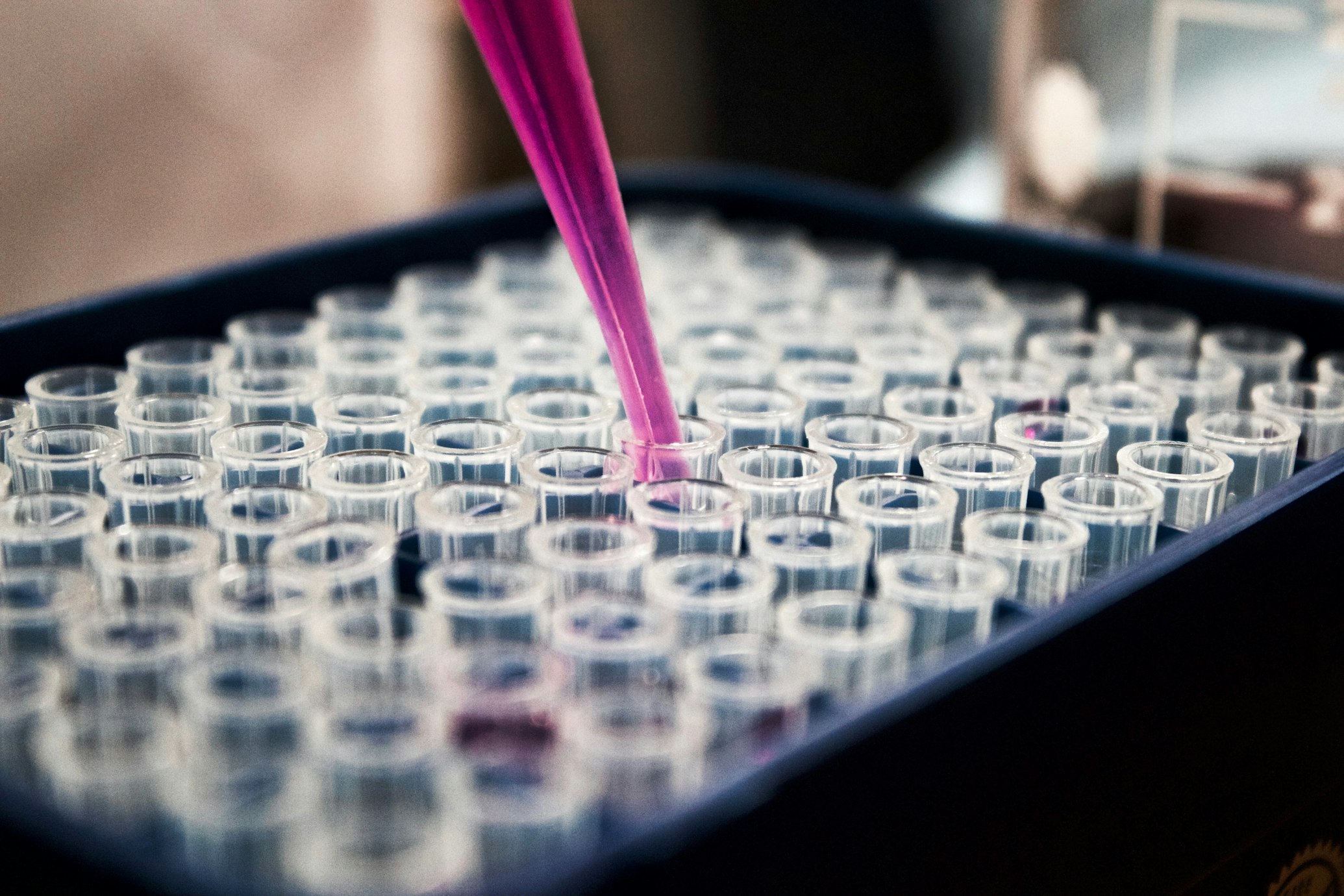
An MTT assay measured cell viability based on metabolic activity.
Results and Analysis
The results were striking. The data consistently showed that pancreatic cancer cells were far more sensitive to Bortezomib than normal cells. The proteasome inhibitor successfully induced cell death (apoptosis) in the cancer cells.
This experiment provided the "proof of concept" that cancer cells are addicted to proteasome function. Because they rely so heavily on the UPS to manage their rapid growth and eliminate tumor suppressors, blocking it creates a catastrophic traffic jam of toxic proteins that the cancer cell cannot survive. Normal cells, with their more balanced protein turnover, are better able to withstand this temporary disruption .
Supporting Data
| Cell Type | Bortezomib (10 nM) | Bortezomib (50 nM) | Bortezomib (100 nM) |
|---|---|---|---|
| PANC-1 (Cancer) | 65% | 30% | 12% |
| MIA PaCa-2 (Cancer) | 58% | 25% | 8% |
| Normal Pancreatic Cells | 92% | 85% | 78% |
The Scientist's Toolkit: Key Reagents in UPS Research
Studying the UPS and testing new drugs requires a sophisticated set of tools. Here are some of the essential "research reagent solutions" used in this field .
Proteasome Inhibitors
Small molecules like Bortezomib and MG-132 that specifically block proteasome activity, halting protein degradation.
E3 Ligase Inhibitors
Drugs like MLN4924 that block specific E3 ubiquitin ligases, preventing them from tagging tumor suppressors.
E1 Enzyme Inhibitors
Compounds like TAK-243 that shut down the entire ubiquitination process at its source.
Western Blotting Antibodies
Specific proteins that bind to and allow visualization of target proteins like p53 and ubiquitin chains.
siRNA/shRNA
RNA molecules that "silence" specific proteins, allowing study of individual UPS components.
Imaging Reagents
Fluorescent tags and markers that visualize UPS components and their localization in cells.
Conclusion: A New Front in the Battle
The discovery that pancreatic adenocarcinoma hijacks the Ubiquitin-Proteasome System has opened a promising new front in the fight against this devastating disease. While drugs like Bortezomib have shown that the concept works, the current focus is on developing next-generation, more precise therapies.
Researchers are designing drugs that target specific E3 ligases overactive in pancreatic cancer, aiming to be more effective and less toxic than broader proteasome inhibitors.
Scientists are exploring combinations that pair proteasome inhibitors with chemotherapy or immunotherapy to enhance treatment efficacy while reducing resistance.
Taking Out the Trash—For Good
By understanding and disrupting the cancer cell's corrupted recycling plant, we are developing powerful new weapons in the battle against pancreatic adenocarcinoma.