The Invisible Enemy: How CD44 and SMURF1 Team Up to Drive Cancer Treatment Resistance
Unraveling the molecular partnership that maintains cancer stem cells in head and neck squamous cell carcinoma
The Mystery of Recurring Cancer
Imagine a patient successfully completing cancer treatment, only to discover months or years later that their cancer has returned, often more aggressive than before. For decades, this clinical mystery puzzled oncologists treating head and neck squamous cell carcinoma (HNSCC), the sixth most common cancer worldwide. Why do some cancers come back despite seemingly effective treatments that eliminate the vast majority of tumor cells?
The answer lies in a tiny but powerful subpopulation of cells known as cancer stem cells (CSCs). These extraordinary cells possess an almost "magical" ability to survive chemotherapy, radiotherapy, and even surgery.
Like seeds left in soil after clearing a garden, they can lie dormant before awakening to regenerate entire tumors. Recent research has uncovered a critical partnership between two molecules—CD44 and SMURF1—that maintains these cancer stem cells, opening new possibilities for more effective treatments 1 .
The Unlikely Heroes and Villains in Our Cells
Cancer Stem Cells: The "Seeds" of Tumors
The concept of cancer stem cells has revolutionized our understanding of cancer biology. Unlike regular cancer cells, CSCs possess three extraordinary properties:
Self-renewal
They can create copies of themselves indefinitely
Differentiation
They can generate all the different cell types found in a tumor
Tumor initiation
They can start new tumors, even when very few cells are present
In head and neck cancers, researchers identified a specific marker that helps pinpoint these elusive cells: CD44, a transmembrane glycoprotein that acts as a cellular receiver for environmental signals . Think of CD44 as a specialized antenna on certain cells that can detect messages from the surrounding environment and respond by activating internal cellular programs that enhance survival, proliferation, and movement.
SMURF1: The Master Regulator Discovered
While CD44 helped identify cancer stem cells, researchers still didn't understand what kept these cells in their powerful, primitive state. The breakthrough came when scientists noticed something peculiar—CSCs with high CD44 levels also showed decreased activity in a specific signaling pathway called BMP (Bone Morphogenetic Protein) 1 .

BMP signaling normally promotes cell differentiation—the process where stem cells mature into specific cell types. In CSCs, this differentiation pathway seemed to be shut down. The search for the "off switch" led researchers to SMURF1 (SMAD Specific E3 Ubiquitin Protein Ligase 1), an enzyme that marks proteins for destruction within the cell 1 3 .
When researchers compared CSC-rich populations (grown as floating "spheres" in special laboratory conditions) to regular cancer cells, they found SMURF1 was significantly upregulated in the CSCs, while BMP signaling activity was markedly reduced 1 . This inverse relationship suggested SMURF1 might be deliberately suppressing BMP signaling to maintain the stem-like state.
The Pivotal Experiment: Silencing SMURF1
Methodology: Step-by-Step Approach
To confirm SMURF1's role in maintaining cancer stem cells, researchers designed a sophisticated series of experiments:
CSC Enrichment
First, they cultivated three different HNSCC cell lines (TR146, SCC-58, and UMSCC-17B) under special non-adherent conditions that favor the growth of cancer stem cells, forming recognizable spherical structures 1 .
SMURF1 Knockdown
Using RNA interference technology—a molecular technique that can selectively silence specific genes—they created versions of these CSC-rich populations with reduced SMURF1 expression.
Multiple Assessment Methods
They then employed several advanced techniques to evaluate changes in the cells including flow cytometry, immunoblotting, colony formation assays, and differentiation assays.
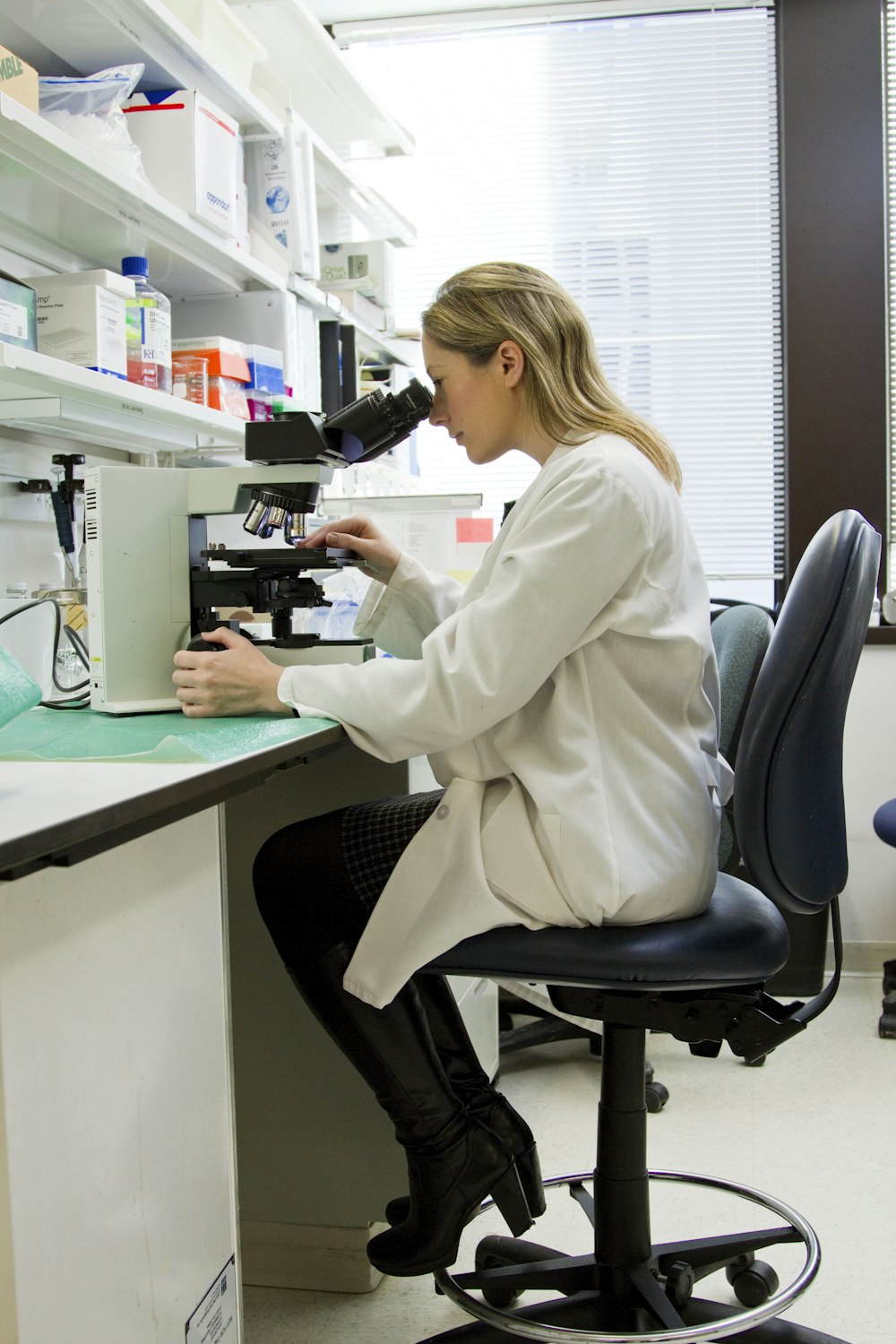
Remarkable Results and Analysis
The findings were striking. When SMURF1 was silenced, the CSC populations underwent dramatic changes. The table below summarizes the key molecular changes observed after SMURF1 knockdown:
| Parameter Measured | Change After SMURF1 Knockdown | Biological Significance |
|---|---|---|
| pSMAD1/5/8 levels | Increased | Reactivation of BMP signaling pathway |
| CD44 expression | Decreased | Loss of cancer stem cell marker |
| ID1 expression | Increased | Activation of BMP target genes |
| Adipogenic differentiation | Promoted | Shift toward mature cell types |
| Colony formation | Reduced | Decreased tumor-initiating capacity |
Perhaps even more compelling were the functional changes observed in the cells. The loss of SMURF1 didn't just change molecular markers—it fundamentally altered the cells' behavior:
| Function Tested | Change After SMURF1 Knockdown | Measurement Method |
|---|---|---|
| Tumorigenic capacity | Significantly reduced | 3D colony formation assay |
| CD44-high subpopulation | Markedly diminished | Flow cytometry analysis |
| Differentiation state | Promoted toward adipogenesis | Differentiation assay |
| Self-renewal capability | Impaired | Sphere reformation capacity |
Comparison of Key Molecules in CSC vs Non-CSC Populations
SMURF1
CD44
pSMAD1/5/8
BMP Signaling
The Molecular Switch: How SMURF1 Controls Cancer Stemness
The experimental evidence reveals a sophisticated control system operating within cancer cells. SMURF1 functions as a critical "molecular switch" that maintains cells in a stem-like state by suppressing BMP signaling pathways 1 3 .
Here's how it works: In normal cells, BMP signaling activates a cascade of molecular events. When BMP molecules bind to their receptors, they trigger the phosphorylation of SMAD1/5/8 proteins. These activated proteins then travel to the nucleus and turn on genes that promote cell differentiation. This process essentially tells cells: "Stop being a stem cell and become a specialized cell."
SMURF1 interferes with this process by tagging key signaling molecules for destruction, effectively shutting down the differentiation signal. This allows cells to remain in a primitive, stem-like state with high CD44 expression. When researchers silenced SMURF1, they removed this interference, allowing BMP signaling to resume and pushing cells toward differentiation 1 .
This relationship between SMURF1 and CD44 appears to be self-reinforcing. CD44 can physically interact with SMAD proteins 1 , potentially sequestering them in the cytoplasm and preventing them from activating differentiation genes in the nucleus. This creates a vicious cycle: high SMURF1 and high CD44 work together to maintain the stem cell state, promoting treatment resistance and cancer recurrence.
Hope on the Horizon: Therapeutic Implications and Future Directions
The discovery of the CD44/SMURF1 partnership in maintaining cancer stem cells opens exciting new possibilities for cancer treatment. Rather than just killing rapidly dividing cells (the approach of most conventional chemotherapies), new therapies could specifically target the SMURF1 pathway to force CSCs to differentiate into more treatable forms 1 .
Direct SMURF1 Inhibitors
Drugs that block SMURF1's function could reactivate BMP signaling in CSCs, pushing them to differentiate and lose their stem-like properties.
CD44-Targeted Therapies
Approaches that disrupt CD44's function or target it for drug delivery could specifically attack the CSC population .
Combination Therapies
Treatments that simultaneously target SMURF1 while using conventional chemotherapy or radiation could attack both the bulk tumor and the treatment-resistant CSCs.
The Scientist's Toolkit: Key Research Materials
Understanding complex biological systems requires specialized research tools. The following table highlights key reagents and approaches used in studying CD44/SMURF1 signaling:
| Tool/Reagent | Function/Application | Example from Research |
|---|---|---|
| RNA interference | Gene silencing; knocking down specific genes | SMURF1 knockdown to assess functional consequences 1 |
| Flow cytometry | Cell sorting and surface marker analysis | Identifying and isolating CD44-high populations 1 |
| Sphere formation assays | Enrichment of CSCs under non-adherent conditions | Generating CSC-rich populations from HNSCC lines 1 |
| Phospho-specific antibodies | Detecting activated signaling molecules | Measuring pSMAD1/5/8 levels to assess BMP activity 1 |
| 3D culture systems | Modeling tumor organization and behavior | Colony formation assays to test tumorigenic potential 1 |
The future of this research looks even more promising when we consider that SMURF1 is just one of many E3 ubiquitin ligases that regulate cellular processes. Recent studies have identified entire families of these regulatory proteins, including F-box proteins, that control everything from cell cycle progression to immune responses 2 . Understanding how these networks interact could lead to comprehensive approaches for reprogramming cancer cells rather than just destroying them.
A New Paradigm in Cancer Treatment
The investigation into CD44/SMURF1 signaling represents more than just the discovery of another molecular pathway—it signifies a fundamental shift in how we approach cancer treatment.
By understanding the mechanisms that maintain cancer stem cells, we're moving from a strategy of total cellular warfare to one of cellular reprogramming. The research demonstrates that sometimes the most effective approach isn't to kill what we don't like, but to convince it to become something else.
By targeting SMURF1, we may essentially be telling cancer stem cells: "It's time to grow up and specialize," transforming them from dangerous, primitive cells into more manageable ones that respond to conventional treatments.
While the journey from laboratory discovery to clinical treatment is long, research into CD44/SMURF1 signaling offers genuine hope for addressing one of oncology's most challenging problems: the relentless recurrence of cancer. As we continue to decode these molecular conversations, we move closer to therapies that could permanently tip the balance in favor of survival for head and neck cancer patients worldwide.